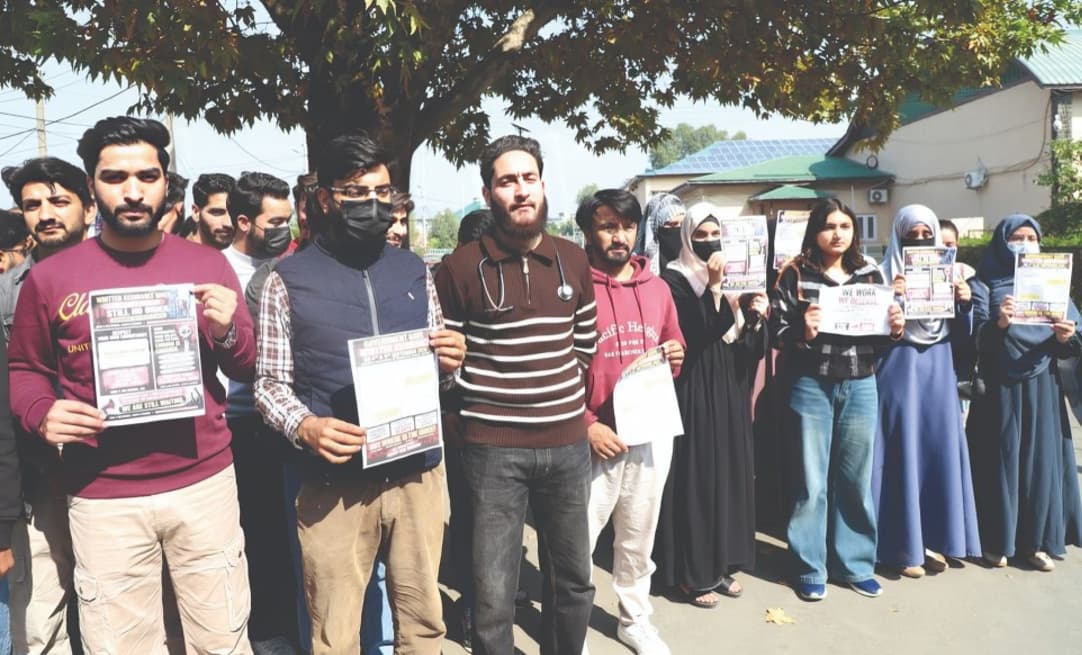
The Faculty Association of the Sanjay Gandhi Postgraduate Institute of Medical Sciences (SGPGIMS) in Lucknow has appealed to the Uttar Pradesh government to revise the retirement age of teaching and research staff, seeking parity with premier national institutions such as the All India Institute of Medical Sciences (AIIMS) and the Indian Institutes of Technology (IITs).
At present, the retirement age for SGPGIMS faculty members is 62 years, whereas faculty at AIIMS and IITs retire at 65 years. The association believes that extending the retirement age will not only bring equality among top institutions but also help retain highly skilled doctors and researchers who contribute significantly to medical education and innovation in the state.
In a formal representation to the government, the SGPGIMS Faculty Association emphasized that the institution’s faculty perform crucial academic, clinical, and research duties equivalent to those at AIIMS and other central medical universities. Therefore, the same retirement policy should apply to SGPGIMS to maintain motivation, reduce attrition, and ensure institutional stability.
A senior member of the association said, “Our institute plays a key role in healthcare delivery and postgraduate medical training in Uttar Pradesh. Many senior faculty members possess decades of specialized experience, and their premature retirement creates a vacuum in teaching, research, and patient care. Aligning our retirement age with AIIMS will ensure continuity and growth.”
The demand for parity has gained momentum after similar appeals were recently accepted in other centrally funded medical institutions. Faculty associations argue that increasing the retirement age is essential to address the shortage of experienced educators in medical colleges across India.
According to reports, the Faculty Association has also written to the Uttar Pradesh Medical Education Department, highlighting that raising the retirement age to 65 would not impose a major financial burden on the state exchequer. Instead, it would help maximize the utilization of skilled professionals who have been trained at public expense.
In addition to the retirement age issue, the association has also sought improvements in academic promotions, infrastructure upgrades, and increased funding for medical research at SGPGIMS. Faculty members assert that enhancing working conditions will help the institute maintain its reputation as one of the country’s leading centers for postgraduate medical education.
Healthcare policy experts note that similar reforms in other states have led to improved faculty retention and academic performance. They also argue that retaining experienced doctors in teaching hospitals can directly benefit patients by improving the quality of clinical services.
The Uttar Pradesh government has acknowledged receiving the representation and stated that the matter is under review. A decision is expected after consultations with the state finance and medical education departments.
If approved, the change would bring SGPGIMS in line with central institutions like AIIMS, IITs, and NITs — setting a new precedent for parity in higher education and healthcare institutions across the state.