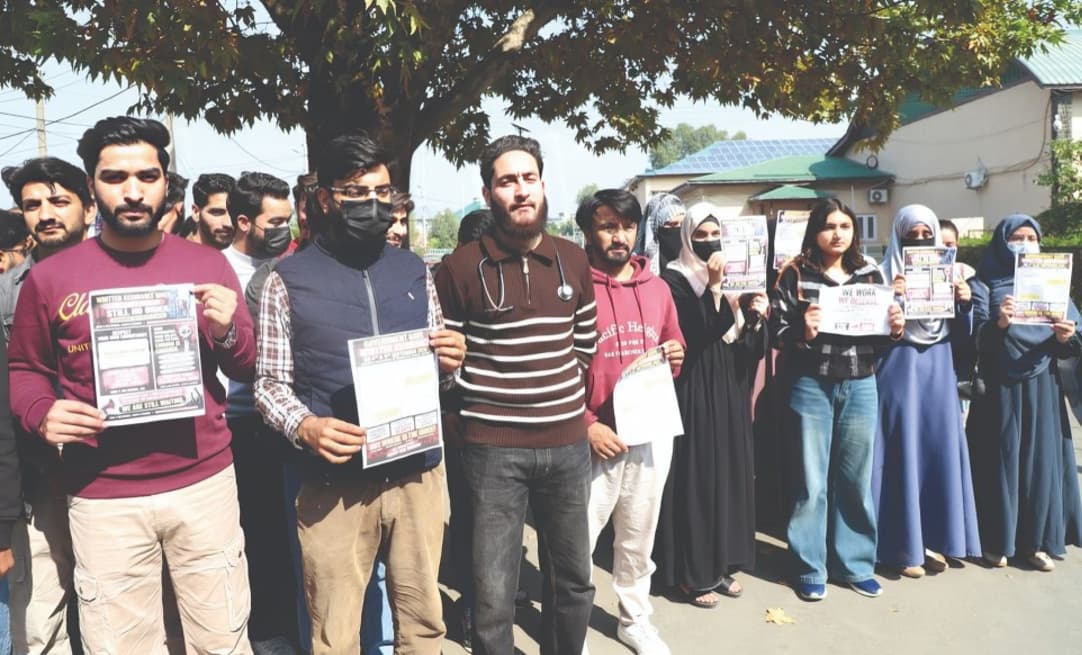
The Supreme Court of India has raised concerns over the mandatory service bond imposed on MBBS graduates, requiring them to serve in remote or rural areas after completing their medical education. The court noted that while improving rural healthcare is essential, forcing doctors to serve without sufficient incentives or adequate infrastructure may not be the right approach.
Key Concerns Raised by the Supreme Court:
Lack of Proper Facilities: The court observed that many rural healthcare centers lack essential medical equipment, medicines, and infrastructure, making it difficult for young doctors to provide quality healthcare.
Forced Obligation vs. Voluntary Service: While the government aims to ensure doctors serve in underprivileged areas, the Supreme Court questioned whether a mandatory service bond is legally and ethically justified.
Need for Better Compensation & Support: The court suggested that instead of coercion, the government should offer better salaries, accommodations, and career incentives to attract doctors to work in remote regions.
Burden on Medical Graduates: Many MBBS students take substantial loans for education, and the additional mandatory service period restricts their ability to pursue higher studies or private practice.
Review of Policy: The apex court asked state governments and medical institutions to reconsider the service bond system and find a more balanced approach.
What’s Next?
The Supreme Court has asked the central and state governments to submit their responses on the issue. Medical associations and student groups have welcomed the court’s intervention, urging authorities to restructure the policy in a way that benefits both doctors and rural healthcare.
As the legal debate continues, aspiring MBBS graduates and healthcare professionals await further developments on the matter. The final decision is expected to impact the future policies surrounding medical education and rural healthcare service obligations in India.