The ‘Tamil Karkalam’ programme, spearheaded by the Central Institute of Classical Tamil (CICT) under the Ministry of Education, has led to a notable increase in Tamil language learners in schools across Varanasi. Launched with the aim of promoting Tamil as a classical language, the initiative focuses on making the study of Tamil accessible, engaging, and culturally enriching for students outside Tamil Nadu.
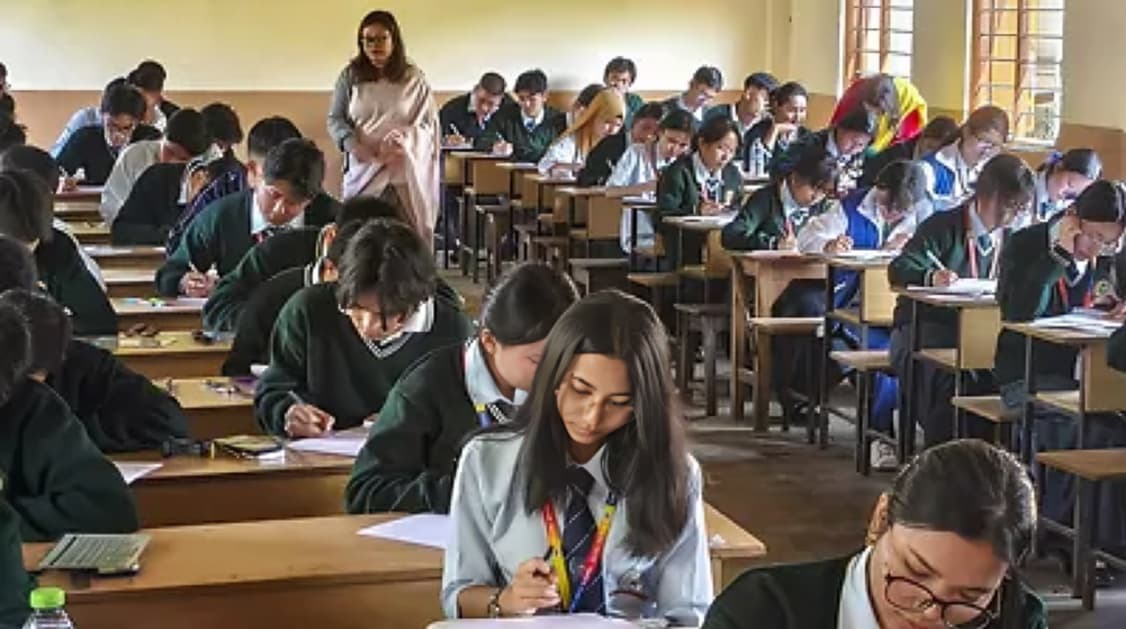
Schools participating in the programme have reported a surge in enrolments for Tamil classes, with students from diverse backgrounds showing interest in learning the language. The programme’s curriculum is designed to combine language instruction with cultural knowledge, enabling students to appreciate Tamil literature, history, and heritage. Teachers involved in the initiative have emphasized the interactive and structured nature of the teaching modules, which include storytelling, song-based learning, and conversational practice.
Officials from the Central Institute of Classical Tamil highlighted that the initiative aligns with the government’s broader goal of promoting classical languages across India. Tamil, recognised as one of the world’s oldest languages with a rich literary tradition, has historically been taught primarily in Tamil Nadu. By extending its reach to schools in regions like Varanasi, the initiative hopes to cultivate linguistic diversity and cross-cultural understanding among students.
The response from students and parents has been overwhelmingly positive. Many parents have expressed appreciation for the opportunity to expose their children to a classical language that carries both literary and historical significance. Students have reported enjoying the new learning methods and gaining a deeper appreciation for Tamil culture. Participation in Tamil Karkalam has also fostered greater awareness of India’s multicultural and multilingual heritage among young learners.
In addition to language instruction, the programme includes teacher training workshops to equip educators with effective strategies for teaching Tamil to non-native speakers. These sessions cover classroom management, pronunciation guidance, and methods to incorporate cultural context into lessons. The CICT aims to create a sustainable teaching model that can be replicated in other states across India in the coming years.
Experts believe initiatives like Tamil Karkalam are critical in preserving India’s linguistic heritage while promoting cultural awareness among the younger generation. Encouraging the study of classical languages beyond their native regions not only enriches students academically but also fosters mutual respect and understanding among diverse communities.
Looking ahead, the CICT plans to expand the programme to additional schools and introduce digital learning tools to complement classroom teaching. The use of mobile apps, online tutorials, and interactive platforms is expected to make learning Tamil even more accessible for students nationwide.
The Tamil Karkalam initiative demonstrates how government-led educational programmes can successfully bridge linguistic and cultural gaps, inspiring students to explore new languages and embrace India’s rich heritage. By combining traditional language teaching with innovative approaches, the programme is setting a benchmark for classical language promotion across the country.