Tamil Nadu CM Vijay Renews Demand to Abolish NEET, Advocates Class 12 Marks for Medical Admissions
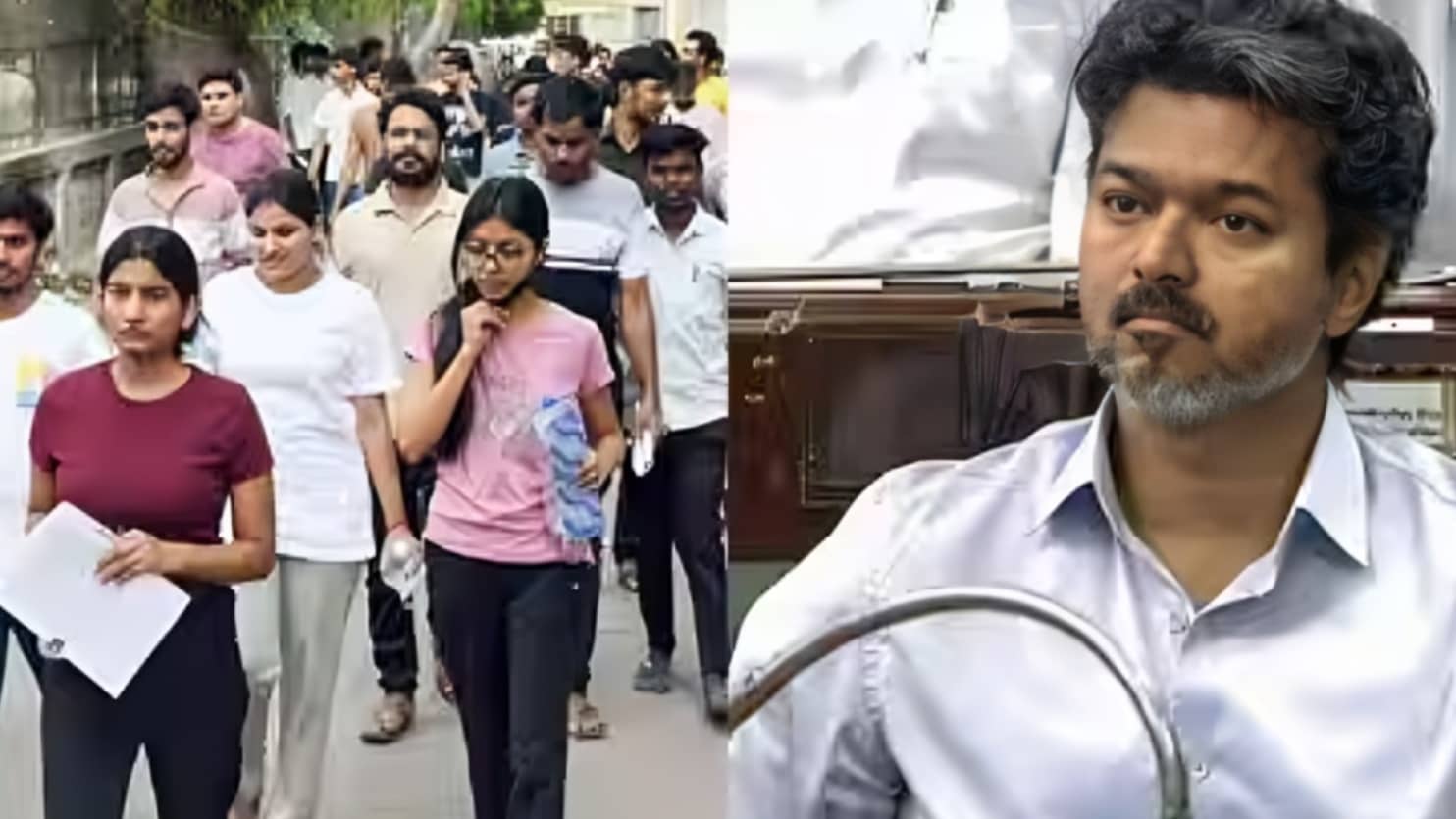
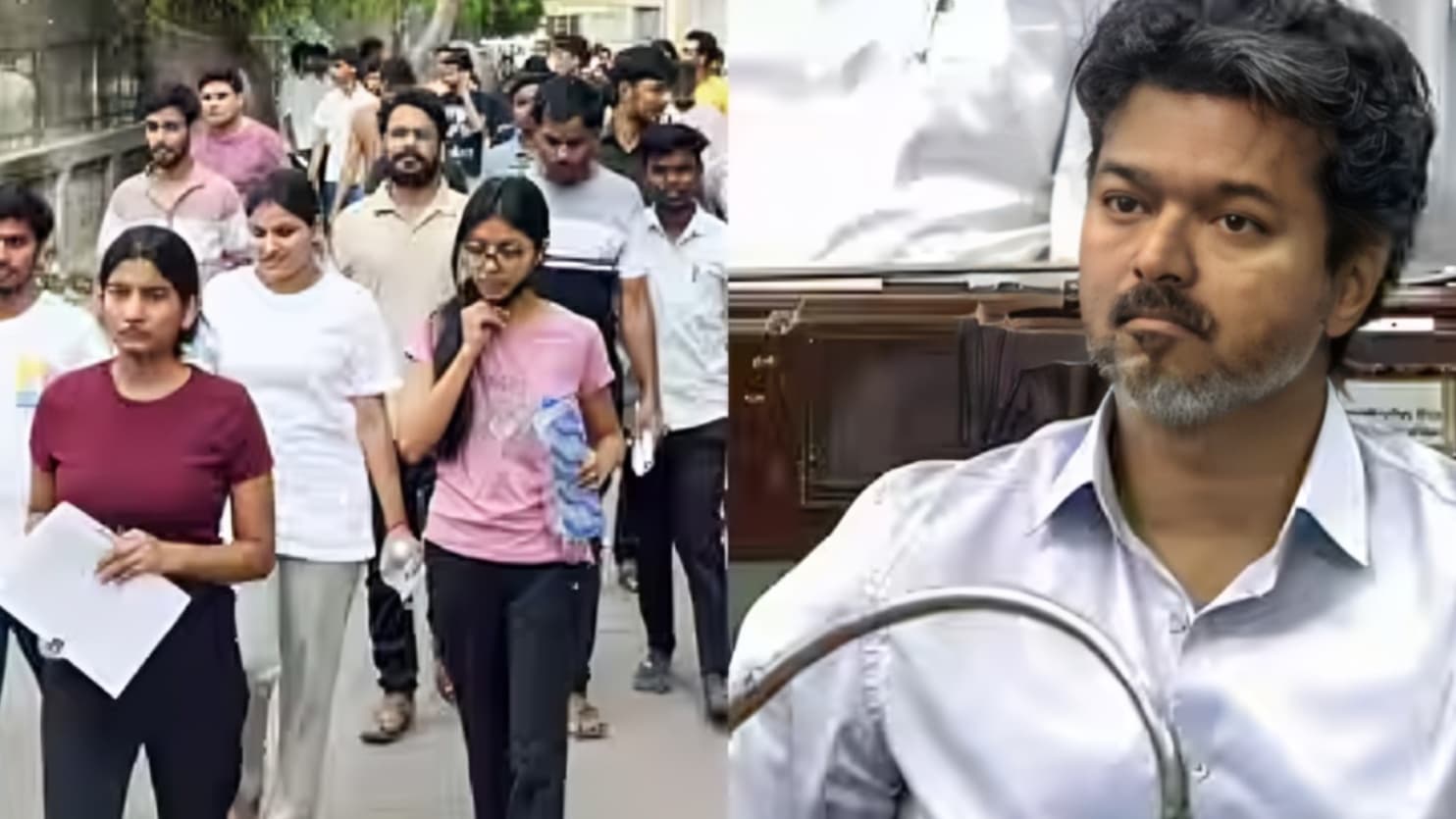
Tamil Nadu Chief Minister C. Joseph Vijay has reiterated the state's demand for abolishing the National Eligibility cum Entrance Test (NEET) and similar entrance examinations for higher education admissions. During a meeting with task force chief Nandan Nilekani, the Chief Minister emphasised the need to give greater importance to Class 12 examination marks when determining admissions to higher education institutions, particularly medical colleges.
The meeting brought the state's position on entrance examinations back into focus. Tamil Nadu has consistently raised concerns about the NEET-based medical admission system and has advocated an alternative approach that considers students' performance in their school examinations.
According to the position reiterated by the Chief Minister, admissions should give appropriate weight to students' academic achievements in Class 12 rather than depending entirely on a common entrance examination.
Vijay Reiterates Tamil Nadu's Position on NEET
The demand to abolish NEET has remained an important education policy issue in Tamil Nadu.
The state has argued that a common entrance examination may create additional challenges for students from different educational and economic backgrounds. In particular, concerns have been raised about the difficulties faced by students who depend primarily on government schools and state-board education.
Chief Minister Vijay reiterated the state's position during his interaction with Nandan Nilekani.
The Chief Minister emphasised that Class 12 marks should play a central role in determining admission eligibility. The proposal reflects the state's preference for an admission system that recognises students' performance throughout their higher secondary education.
Tamil Nadu has maintained that school-level academic performance should receive greater consideration in the selection process.
Why Tamil Nadu Wants Class 12 Marks to Determine Admissions
One of the central arguments behind the state's demand is the importance of school education in the admission process.
Students across Tamil Nadu follow different educational pathways, including state-board, CBSE and other recognised curricula. Their access to private coaching, additional learning resources and examination preparation facilities can also vary.
The state has raised concerns that entrance examinations may create differences in opportunities among students from different backgrounds.
By giving importance to Class 12 marks, the proposed system would place greater emphasis on academic performance achieved during higher secondary education.
The approach is also intended to reduce the dependence of students on separate entrance examination preparation.
However, any alternative admission system would need to establish transparent eligibility requirements, evaluation procedures and selection criteria to ensure fairness among candidates from different educational boards.
Meeting With Nandan Nilekani
Nandan Nilekani, who heads the task force, called on Tamil Nadu Chief Minister C. Joseph Vijay.
During the interaction, the Chief Minister reiterated the state's position regarding NEET and other common entrance examinations for higher education.
The discussion highlighted Tamil Nadu's continued interest in reviewing the role of entrance examinations in determining access to professional courses.
The state's position is that school examination performance should receive greater recognition in the admission process.
The interaction also brought attention to the wider discussion surrounding education policy, admission procedures and equal opportunities for students.
Tamil Nadu's Longstanding Opposition to NEET
Tamil Nadu has been raising objections to NEET for several years.
The state has argued that the examination places additional pressure on students and may affect those who do not have access to expensive coaching facilities.
The issue has also generated discussions about the differences between school-board curricula and the preparation required for a national-level entrance examination.
The state has previously pursued legislative and legal measures seeking exemption from NEET for medical admissions.
The debate involves questions relating to education policy, admission standards, equality of opportunity and the respective roles of state and central authorities.
While Tamil Nadu continues to advocate an alternative admission system, NEET remains the national entrance examination framework for undergraduate medical admissions under the applicable rules.
What This Means for Medical Aspirants
The renewed demand is particularly significant for students preparing for medical entrance examinations in Tamil Nadu.
If the state's proposed admission approach were to be implemented through the required legal and regulatory process, Class 12 academic performance could receive a greater role in determining medical college admissions.
However, the Chief Minister's statement does not by itself change the existing admission requirements.
Students preparing for NEET should continue following the examination schedule, eligibility conditions and admission guidelines issued by the relevant authorities.
Any changes to the admission system would require appropriate legislative, regulatory and legal procedures.
Education Admission Policy Remains a Key Issue
The meeting between Chief Minister C. Joseph Vijay and Nandan Nilekani has once again highlighted Tamil Nadu's position on entrance examinations.
The state continues to advocate the abolition of NEET and similar examinations, with a preference for an admission system that gives greater importance to Class 12 marks.
The discussion reflects the continuing debate over how students should be evaluated for admission to professional higher education courses.
The future of the proposed changes will depend on the decisions of the relevant authorities and the legal framework governing medical admissions in India.
For now, NEET remains applicable under the existing national admission system, and candidates should rely on official notifications for any changes to the rules.