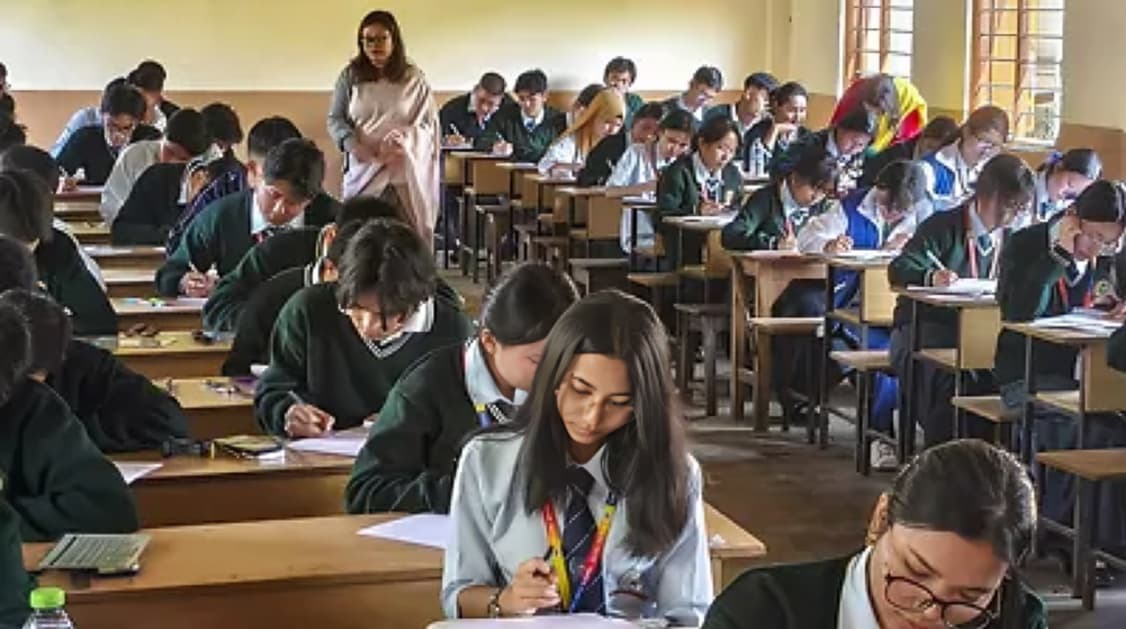
Tripura Chief Minister Manik Saha on Wednesday launched personalised adaptive learning labs in 210 government schools, marking a significant step towards modernising the state’s education system. The inauguration took place at Maharani Tulsibati Higher Secondary Girls’ School in Agartala, with simultaneous launches across all 210 schools. The initiative is designed to provide students with customised learning experiences that cater to their individual abilities and learning pace.
Addressing the gathering, CM Saha highlighted that every child is born with unique talents, and it is the responsibility of the education system to nurture these abilities. “Along with science-based education, students must be encouraged to develop originality and take an interest in the country’s own culture,” he said. The Chief Minister underlined the importance of a holistic approach to education, integrating academic knowledge with creative and cultural development.
CM Saha also referred to the teachings of Swami Vivekananda, stating that true education lies in developing the inner potential of students and achieving excellence in learning. The personalised adaptive learning labs aim to achieve this by providing technology-driven tools that allow students to learn at their own pace while identifying areas where they need additional support. This approach seeks to strengthen the connection between students and the education system by making learning more engaging and effective.
The adaptive learning labs are equipped with modern software and digital content that can analyse student performance, provide customised learning paths, and track progress in real time. Teachers are trained to utilise these tools to support individual students, address learning gaps, and foster critical thinking and problem-solving skills. By combining personalised learning with classroom teaching, the state government aims to ensure that students not only achieve academic success but also develop confidence, creativity, and a love for learning.
The launch reflects Tripura’s commitment to leveraging technology in education to bridge learning gaps and improve outcomes across schools in urban and rural areas. Education officials noted that such labs can help identify students’ strengths and weaknesses early on, allowing for timely interventions. Moreover, integrating cultural and value-based education alongside science and technology ensures that students grow with a strong sense of identity and social responsibility.
This initiative aligns with broader national educational reforms that focus on student-centric learning, digital classrooms, and skill development. Experts believe that personalised adaptive learning systems have the potential to transform traditional teaching methods, making education more interactive, efficient, and accessible.
With the rollout of these labs across 210 schools in Tripura, the state government has set a benchmark for technology-driven education initiatives in India. Officials expect improved academic performance, increased engagement, and better retention rates as students experience learning tailored to their individual needs.