The Tripura government has decided to implement a standardised school uniform policy across all government schools starting from the next academic session. The move is aimed at promoting equality among students, reducing the financial strain on families, and creating a uniform identity for government-run educational institutions.
Education officials stated that the decision was taken after thorough consultation with academic boards, teachers, and parent representatives. According to the state government, having a common uniform for all government schools will not only bring a sense of unity but also reduce disparities between students from different economic backgrounds. By ensuring that every child wears the same uniform, the government hopes to strengthen inclusivity in classrooms.
Currently, uniforms in Tripura’s government schools vary from one institution to another, leading to inconsistency in dress codes. This also creates additional expenses for parents who may have children studying in different schools with different uniform requirements. The new policy is expected to ease such financial pressure, as parents will not have to buy multiple sets of uniforms that differ from school to school.
Officials also highlighted that standardisation would make it easier for authorities to regulate and monitor uniform guidelines. The government has promised that the material and stitching costs will remain affordable, and distribution will be streamlined through authorised vendors to prevent overpricing. Additionally, efforts will be made to ensure timely supply so that students receive their uniforms before the start of the new academic year.
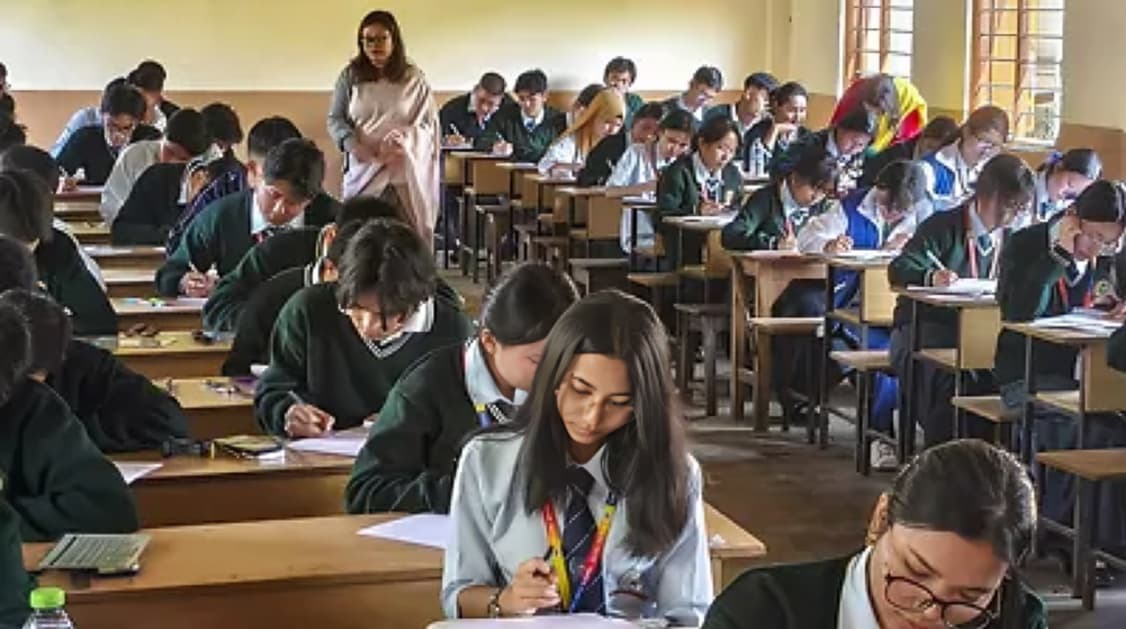
Teachers and administrators have welcomed the decision, noting that a common uniform policy will reduce distractions and create a more disciplined school environment. Many believe that standardised attire instills a sense of belonging among students, helping them focus on studies rather than appearances. At the same time, by reducing visible economic differences, the policy may also help in minimising bullying or peer pressure related to clothing.
Parents, too, have expressed relief at the prospect of reduced expenses. Several families, especially in rural areas, face financial strain in buying different uniforms. With a standardised design and material, costs are expected to come down, and parents will not be forced to make frequent purchases.
The education department is expected to release detailed guidelines on the uniform design, including specifications for boys and girls, before the beginning of the next session. Authorities have indicated that the uniforms will be practical, comfortable, and suitable for the local climate. Schools will also receive instructions on how to implement the policy without causing disruption to ongoing classes.
The introduction of standardised uniforms is part of a broader set of reforms the Tripura government has undertaken to improve the state’s education sector. These include digital learning initiatives, infrastructure upgrades, and teacher training programs. By aligning schools under a common identity, the government hopes to improve the overall quality of education and instill greater pride in government-run institutions.
As the next academic session approaches, the success of this initiative will depend on how efficiently the policy is rolled out. For now, the announcement has generated positive responses from educators and parents alike, with many hopeful that it will foster equality and discipline in Tripura’s schools.