
The University Grants Commission (UGC) has recently introduced the Equity Regulations 2026, aiming to address increasing caste-based discrimination and promote inclusivity within Indian higher education institutions. According to official reports, cases of caste-based harassment in universities doubled between 2019 and 2024, prompting the government to take decisive action to protect marginalized students. The new regulations are designed to ensure universities have formal mechanisms to receive and resolve complaints, particularly from SC, ST, and OBC communities, and to foster a more supportive and inclusive academic environment.
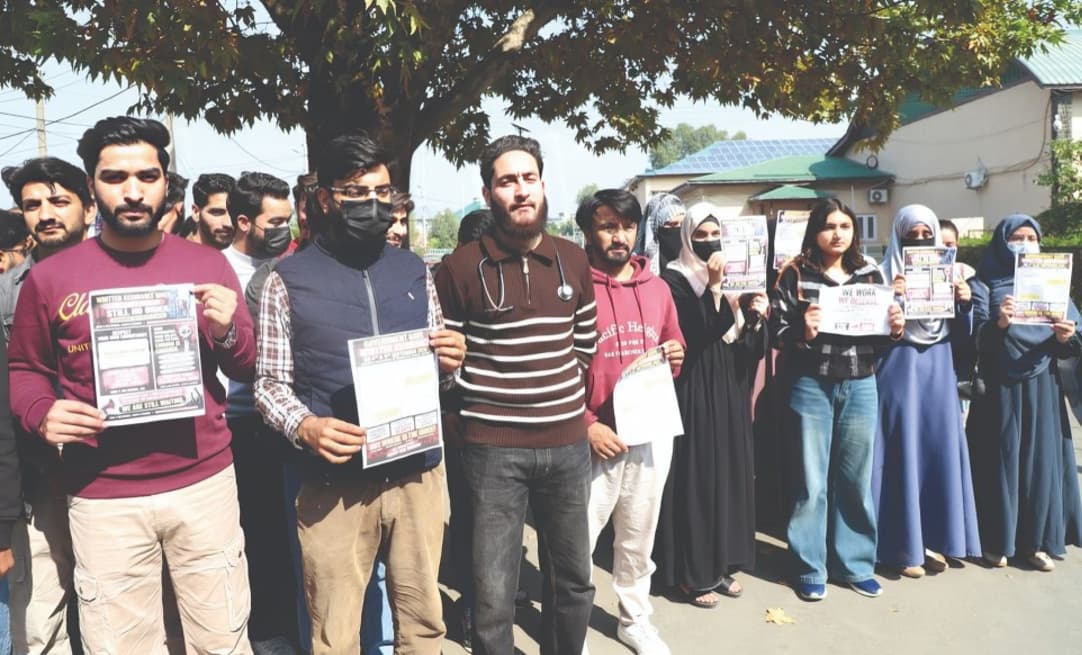
Despite the positive intent, the regulations have triggered controversy. A group named "Savarna Sena" and other protestors have gathered outside the UGC office in New Delhi, arguing that the rules fail to provide separate provisions for General category students. Critics contend that the regulations may inadvertently create a wider social divide and place additional administrative burdens on universities. Some worry that the surge in complaints could lead to misinterpretation of certain situations, which could disadvantage unreserved category students.
The government has responded by emphasizing that the Equity Regulations are designed to protect disadvantaged groups and not to create division. Officials have indicated that provisions for General category candidates will be included to address concerns, and the regulations will continue to focus on promoting fairness and equal opportunity. The aim is to create a structured framework that enables universities to respond promptly to discrimination complaints, while balancing the rights and responsibilities of all students.
The introduction of the regulations has also had political consequences. BJP Mahila Morcha leader Shashi Tomar and 2019-batch Provincial Civil Service officer Alankar Agnihotri have resigned in protest against the implementation of these rules. While opponents continue to demand the withdrawal of the regulations, the UGC maintains that the initiative is a necessary step toward improving the academic environment and addressing historical inequities in the education system.
The Equity Regulations also include specific guidelines for universities to form grievance redressal committees, conduct awareness programs, and ensure that complaints are handled sensitively and confidentially. These measures are intended to not only prevent harassment but also encourage a culture of inclusivity and accountability.
Education experts have noted that the introduction of such regulations aligns with broader government efforts to reduce systemic discrimination and improve access to higher education for historically marginalized communities. However, they also emphasize the importance of balancing protections for disadvantaged groups with the rights and expectations of the General category, to prevent further social polarization on campuses.
The UGC has urged students, faculty, and administrators to familiarize themselves with the new rules and to use the mechanisms in place responsibly. With ongoing protests and debates, the Equity Regulations have emerged as a key policy issue for India’s higher education system in 2026.