A recent immigration policy announced by the Donald Trump administration during the COVID-19 pandemic has left more than 800 Indian students studying at Harvard University facing an uncertain future. The policy, issued by the US Immigration and Customs Enforcement (ICE), states that international students on F-1 visas must leave the country if their institutions switch to fully online classes.
This directive came at a time when several leading American universities, including Harvard and MIT, had announced that they would be shifting most of their classes online to contain the spread of the coronavirus. The decision by ICE effectively meant that students without at least one in-person class would lose their visa status and be subject to deportation.
For the Indian student community, which constitutes a significant portion of the international student body at Harvard, this policy shift has led to confusion, anxiety, and logistical challenges. Many students had stayed in the US to continue their education, while others planned to return for the upcoming academic year. With this directive, they now face potential removal from the country or are left scrambling for alternative arrangements, including transferring to universities offering physical classes—an impractical and stressful option for most.
Harvard University and the Massachusetts Institute of Technology (MIT) responded by filing a lawsuit against the Trump administration, challenging the legality of the directive and calling it arbitrary and harmful to students and institutions. The move by the universities received widespread support from other academic institutions, civil rights groups, and politicians.
From an Indian perspective, the issue also has diplomatic implications. India sends the second-largest number of international students to the United States, with over 200,000 enrolled annually. Educational ties between India and the US have historically been a cornerstone of bilateral relations. A disruption of this scale could impact not only individual academic journeys but also long-term collaborations in education, research, and innovation.
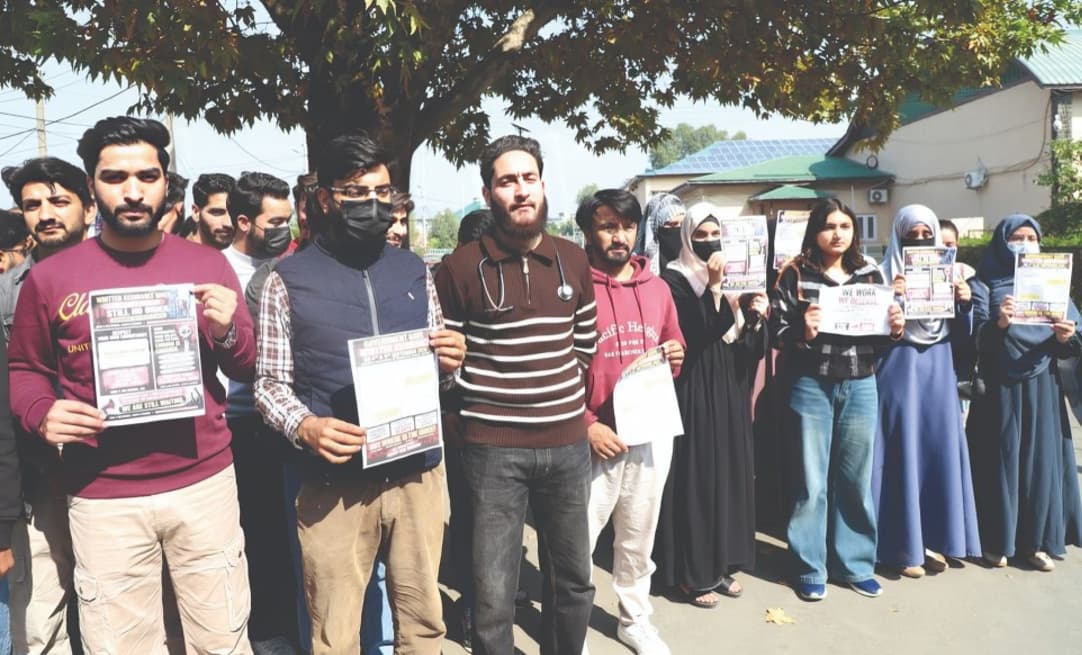
Indian students have voiced their concerns on social media, in open letters, and through student unions, highlighting the emotional, financial, and academic toll of such sudden policy shifts. Some fear they may have to leave behind housing arrangements, jobs, or research projects. Others worry about the impact on their student loans, scholarships, and visa renewals.
Indian authorities, including the Ministry of External Affairs, acknowledged the situation and initiated contact with US counterparts to express concern and request flexibility for affected students. Diplomats urged that educational continuity must be preserved, and students should not suffer due to pandemic-related adjustments by universities.
In conclusion, the Trump administration’s policy change has disrupted the lives of hundreds of Indian students at Harvard and beyond. As legal proceedings unfold and universities push back, students hope for a swift resolution that allows them to continue their studies without fear of deportation or academic disruption.