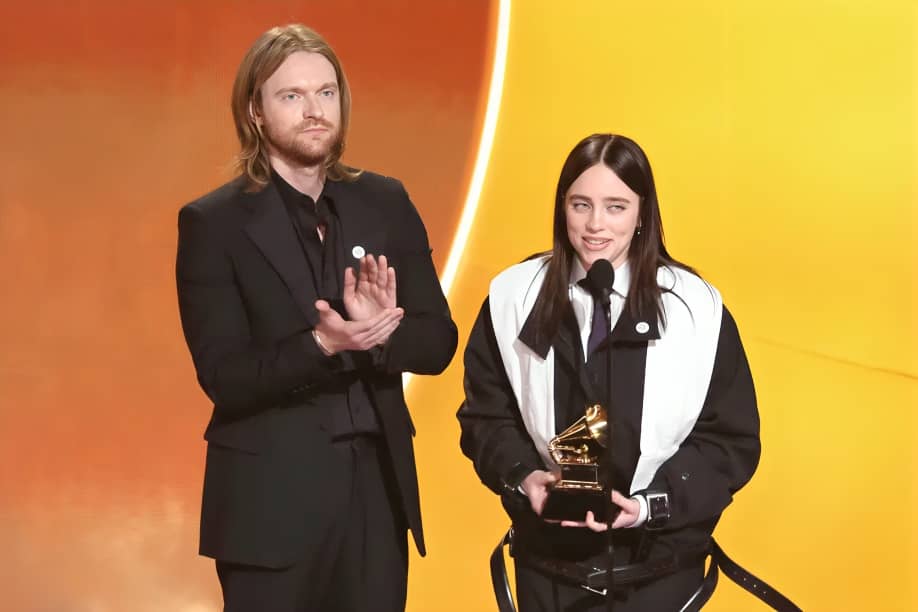
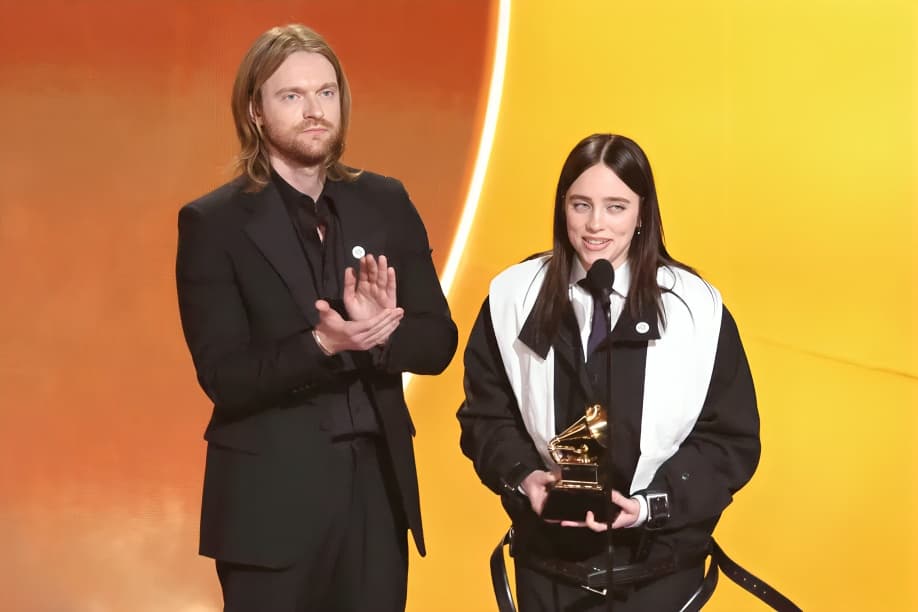
At the 2026 Grammy Awards held in Los Angeles, singer Billie Eilish used her acceptance speech for Song of the Year to address immigration and human rights issues, prompting a widespread reaction online. While many praised her for advocating for immigrant rights, a segment of commentators criticised her remarks, focusing particularly on her phrase “no one is illegal on stolen land.”
Eilish, along with other artists like Bad Bunny and Kehlani, was among several performers and nominees to express political views during the ceremony, which saw a strong theme of opposition to the United States Immigration and Customs Enforcement (ICE). In her speech, Eilish said that no one is illegal on stolen land and urged people to “keep fighting and speaking up” on issues affecting immigrant communities. Her remarks aligned with broader messages by artists advocating for compassion and human dignity.
However, the “stolen land” comment triggered backlash from parts of social media and public discourse. Some critics argued that the statement was inappropriate for the Grammy stage, and questioned her stance given her personal circumstances. They highlighted her ownership of expensive property in the United States, arguing that if she genuinely believed the land was “stolen,” she should reconsider her real estate holdings, a narrative that quickly spread across platforms like X.
Responses to Eilish’s speech were deeply divided. Supporters defended her right to speak out and describe her remarks as an expression of solidarity with immigrants and marginalised groups. They pointed out that many artists at the Grammys used their platform to raise awareness about social justice issues, arguing that art and activism often intersect in public forums.
Meanwhile, critics took aim at the political nature of her speech, asserting that award ceremonies should focus on musical achievements rather than contentious policy topics. Some social media users expressed frustration with what they saw as a disconnect between Eilish’s message and her lifestyle, while others debated the historical and political implications of phrases like “stolen land.” These discussions were amplified by viral posts and reactions shared widely across internet platforms.
Industry commentators noted that the Grammys have increasingly become a stage for artists to voice viewpoints on social and political issues. While this trend is supported by many fans who see celebrities as influential voices, it also invites criticism from those who prefer entertainment events to remain apolitical. Eilish’s speech reflects this broader dynamic, illustrating how cultural moments can spark debate on immigration policy, identity, and the role of public figures in advocacy.
In summary, Billie Eilish’s 2026 Grammy acceptance speech drew strong reactions on both sides of the debate. While some praised her advocacy for immigrants and human rights, others criticised the political nature of her remarks and questioned their context. The controversy underscores the complex ways in which cultural events intersect with public discourse on social and political issues.