Durga Puja 2026: Five Bengali Films to Enjoy During the Festive Season
Durga Puja is one of the most significant cultural celebrations in West Bengal and among Bengali communities around the world. The festival brings together families, friends and communities for days of worship, cultural programmes, traditional food and visits to elaborately decorated pandals. For many people, the celebration also brings back childhood memories, family traditions and a strong sense of belonging.
Bengali cinema has captured these emotions in different ways over the decades. Some films use the festival as the setting for family dramas, while others explore faith, mystery, social change and relationships. The sights and sounds associated with Durga Puja often provide a meaningful backdrop for stories that go beyond the celebrations themselves.
For viewers planning a festive movie marathon in 2026, the following five Bengali films offer different ways to experience the cultural atmosphere and storytelling traditions associated with Bengal.
1. Utsab: Family Relationships Behind the Festive Celebrations
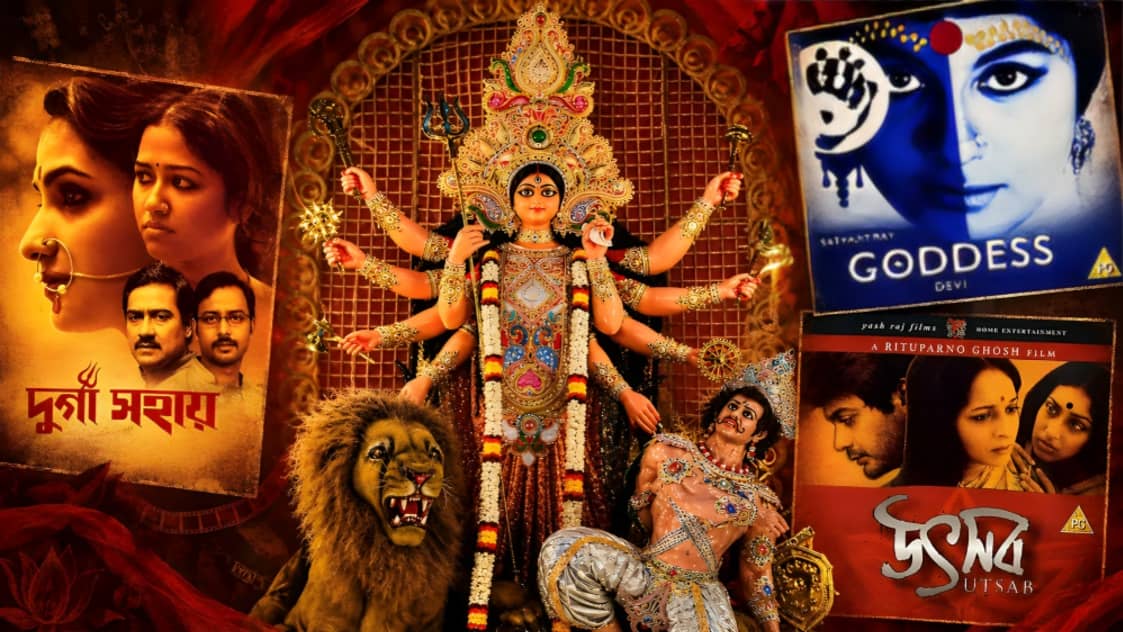
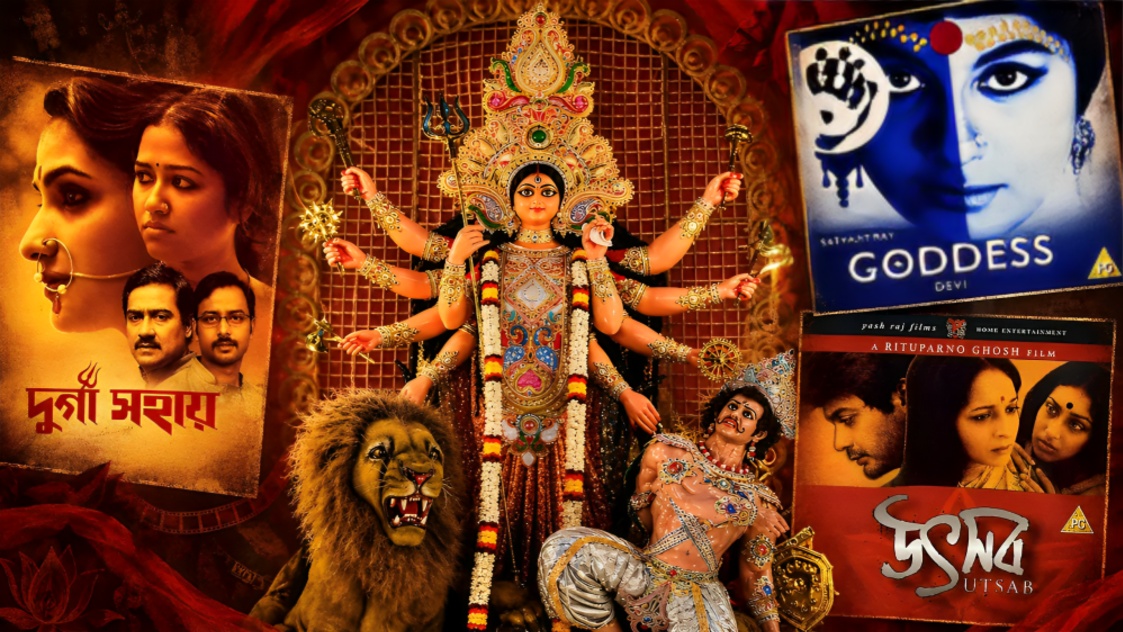
Directed by Rituparno Ghosh, Utsab was released in 2000 and remains an important example of Bengali cinema using Durga Puja as the setting for a family drama.
The story centres on members of a Bengali family who return to their ancestral home for the festival. Although the gathering appears to be a celebration of tradition and togetherness, unresolved disagreements, personal struggles and complicated relationships gradually emerge.
The reunion creates opportunities for family members to reconnect, but it also brings long-standing tensions to the surface. Questions about the family's future, its ancestral property and the relationships between different generations become central to the narrative.
Rather than presenting Durga Puja only as a colourful celebration, Ghosh uses the festival to explore the emotional lives of his characters. The rituals and gatherings provide a setting in which private conflicts become increasingly difficult to ignore.
The film features performances by actors including Madhabi Mukherjee, Mamata Shankar, Prosenjit Chatterjee and Rituparna Sengupta.
For viewers who associate Durga Puja with returning home and spending time with relatives, Utsab offers a thoughtful portrayal of the happiness and complications that can accompany a family reunion.
2. Devi: A Powerful Story About Faith and Superstition
Directed by Satyajit Ray, Devi is a landmark Bengali film released in 1960. Starring Sharmila Tagore and Soumitra Chatterjee, the film examines the consequences of religious belief when it becomes intertwined with unquestioned authority and superstition.
The story follows Dayamoyee, a young woman whose father-in-law comes to believe that she is an incarnation of the Hindu goddess Kali. As the family and surrounding community begin treating her as a divine figure, her life changes dramatically.
Her husband struggles to challenge the belief, while Dayamoyee herself becomes caught in a situation shaped by expectations, faith and social pressure.
Although Devi is not simply a celebration of Durga Puja, its exploration of religious symbolism and the position of women makes it a significant choice for viewers interested in the relationship between religion and society in Bengali cinema.
Ray's restrained direction and the performances of the lead actors help create an unsettling atmosphere. The film encourages audiences to reflect on the consequences of allowing superstition to replace independent thought.
For those looking for a serious classic during the festive season, Devi provides a very different experience from conventional festival-themed entertainment.
3. Goynar Baksho: Family History, Jewellery and the Supernatural
Directed by Aparna Sen, Goynar Baksho is a Bengali film released in 2013. It combines family drama, comedy and supernatural elements while examining the lives of women across generations.
The story revolves around a jewellery box that holds considerable emotional and material value for a Bengali family. Its owner, Rashmoni, remains deeply attached to her collection of ornaments even after her death. Her presence continues to influence the lives of younger women in the household.
The film follows the changing relationships between women from different generations and explores how wealth, family expectations, tradition and personal independence shape their lives.
Featuring Konkona Sen Sharma, Moushumi Chatterjee and Srabanti Chatterjee, the film uses humour and supernatural storytelling to examine wider questions about gender, inheritance and social change.
Goynar Baksho is not primarily a straightforward Durga Puja film. However, its Bengali cultural setting, family traditions and exploration of changing social values make it a relevant addition to a broader festive-season watchlist.
For audiences who enjoy stories that combine humour with family history and supernatural themes, the film offers an entertaining alternative to conventional festival dramas.
4. Joy Baba Felunath: A Classic Detective Mystery
Directed by Satyajit Ray, Joy Baba Felunath was released in 1979 and features Soumitra Chatterjee as the celebrated fictional detective Feluda.
The story takes Feluda, his cousin Topshe and the writer Jatayu to Varanasi during Durga Puja. Their visit becomes complicated when a valuable golden Ganesha idol belonging to a wealthy family becomes the focus of a mystery.
Feluda begins investigating the case and encounters Maganlal Meghraj, a formidable businessman whose involvement adds tension to the investigation.
The film combines detective storytelling with the atmosphere of Durga Puja. Religious rituals, family gatherings and the preparation for the festival provide the setting for a mystery involving deception, theft and hidden motives.
Ray balances suspense with character-driven storytelling, creating a film that appeals to both detective-fiction enthusiasts and viewers interested in Bengali cultural traditions.
Joy Baba Felunath remains a strong choice for audiences who want festive entertainment with a mystery at its centre. Its combination of an engaging investigation and a carefully developed cultural setting makes it particularly suitable for a Durga Puja movie marathon.
5. Bishorjon: A Story of Love and Divided Borders
Directed by Kaushik Ganguly, Bishorjon was released in 2017 and features Jaya Ahsan and Abir Chatterjee in leading roles.
The film explores a relationship between Padma, a Hindu widow living in Bangladesh, and Nasir, a Muslim man from India whom she rescues near the Ichamati River during the Durga idol immersion celebrations.
As their relationship develops, the characters confront social expectations, cultural differences and the political realities associated with the border between India and Bangladesh.
The river and the immersion ceremony become important elements in a story about human connections that cross geographical and social divisions. Rather than treating the festival only as a backdrop for celebration, the film uses it to examine questions of identity, belonging and compassion.
Bishorjon received significant recognition, including the National Film Award for Best Bengali Feature Film. Its emotional storytelling and performances make it an important contemporary work in Bengali cinema.
For viewers interested in films that combine the cultural significance of Durga Puja with a story about relationships and human vulnerability, Bishorjon offers a moving choice.
How These Films Reflect the Spirit of Durga Puja
These five films demonstrate that Bengali cinema approaches Durga Puja from several different perspectives. Utsab explores the complexities of family life, Devi examines the consequences of superstition, and Goynar Baksho blends supernatural storytelling with questions of inheritance and social change.
Joy Baba Felunath brings mystery and adventure into the festive atmosphere, while Bishorjon uses the immersion ceremony to explore relationships that cross borders.
Their stories differ considerably, but they share an interest in the people, traditions and social relationships that shape Bengali life. The festival can represent reunion, belief, celebration or a turning point in a character's journey.
During Durga Puja 2026, revisiting these films offers audiences an opportunity to experience Bengali cinema beyond its most colourful festive images. They provide a reminder that the festival's significance lies not only in its rituals and celebrations but also in the memories, relationships and emotions associated with it.
Availability may vary across streaming services and regions, so viewers should check official platforms for current viewing options.