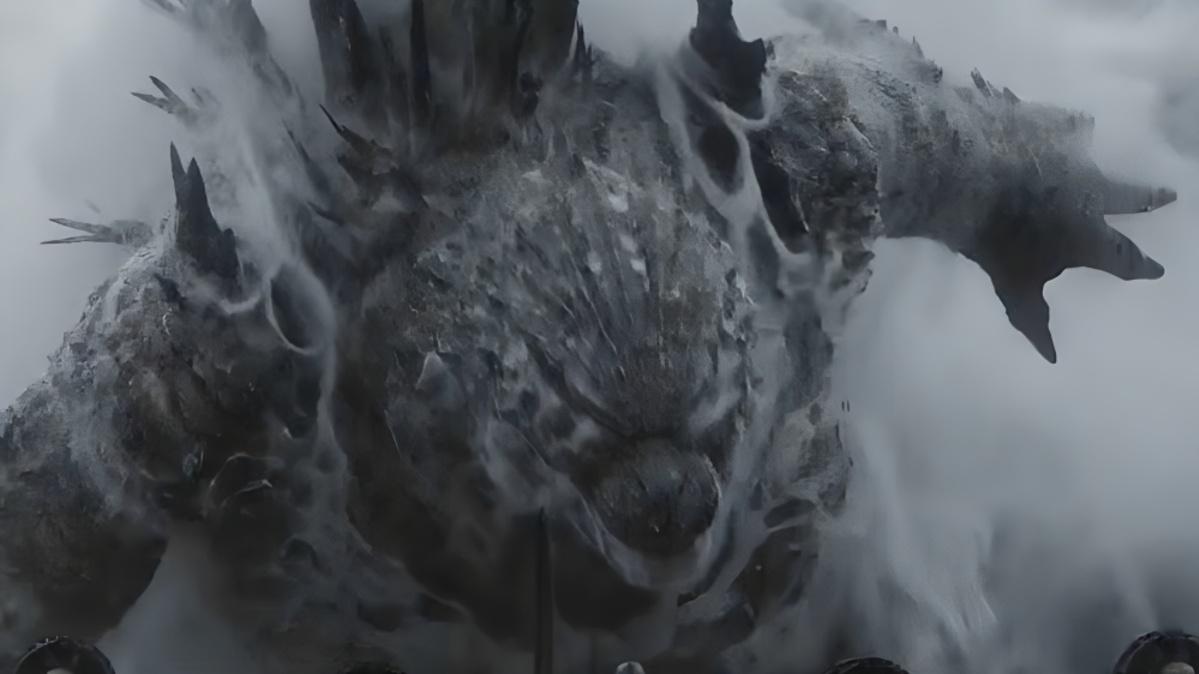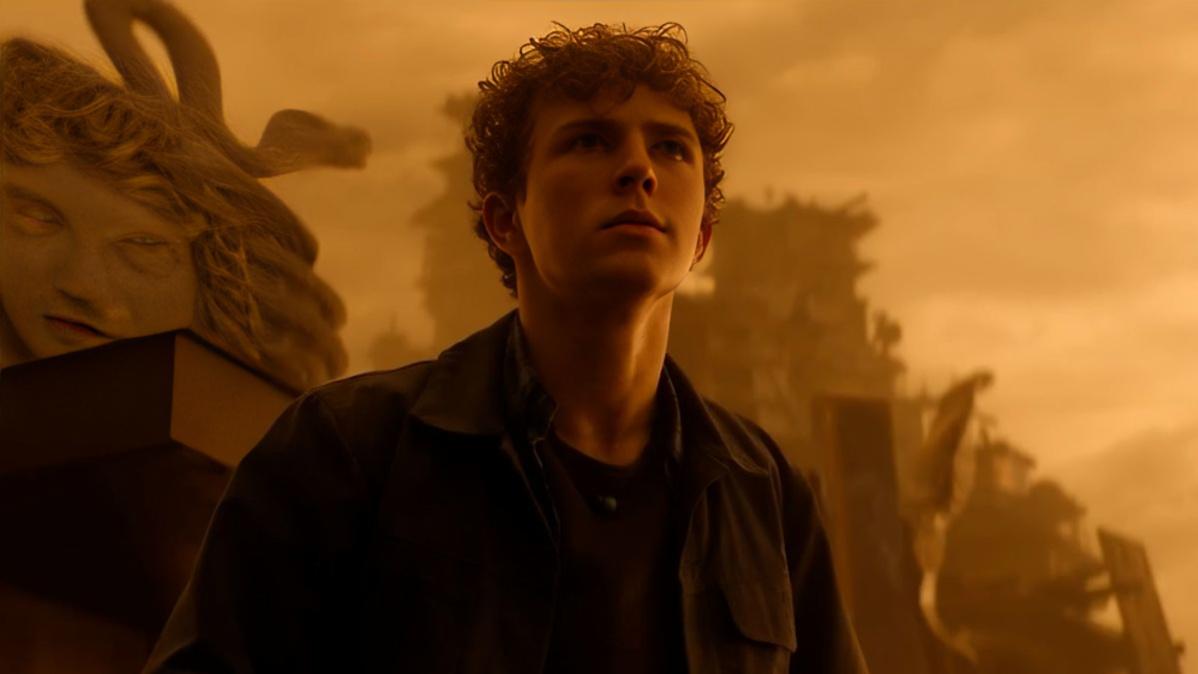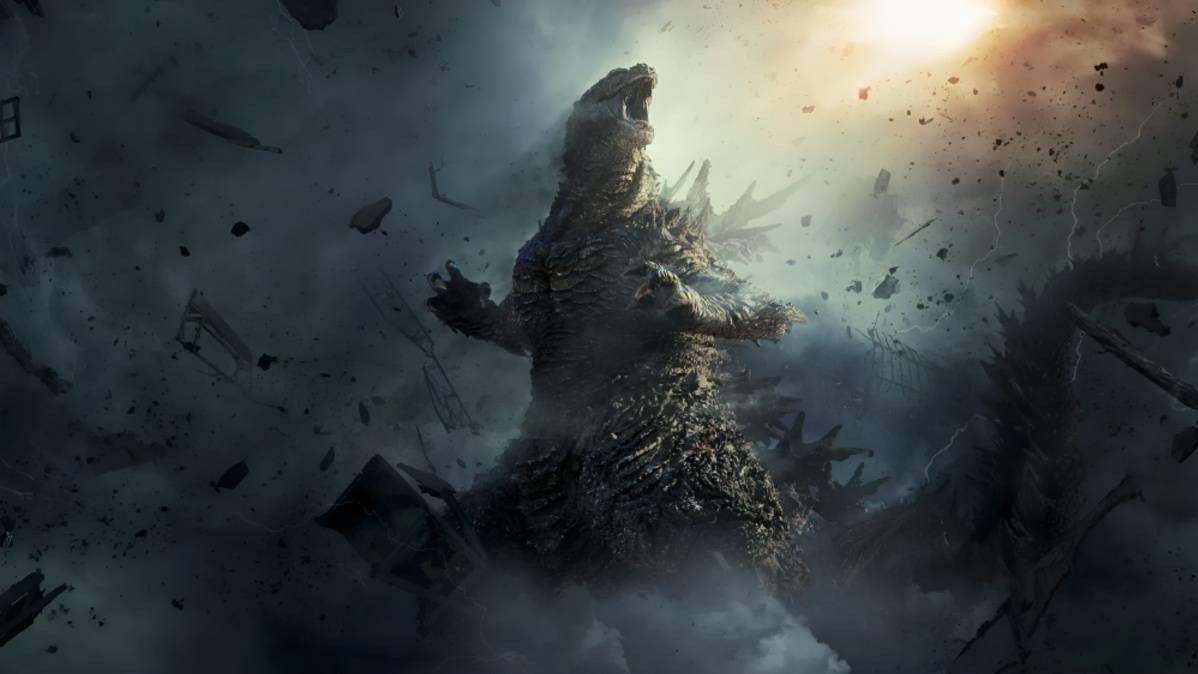
The Godzilla franchise returns with Godzilla Minus Zero, a sequel that expands the emotional and historical themes introduced in Godzilla Minus One. Directed by Takashi Yamazaki, the film continues the story of a Japan struggling to rebuild itself after the devastation caused by the earlier Godzilla attack. While the latest instalment promises large-scale monster action, its central focus remains on human suffering, survival and resilience.
Set more than two years after the events of Godzilla Minus One, the sequel explores a country that has not completely recovered from its previous nightmare. The appearance of another dangerous creature creates a fresh crisis, forcing survivors and authorities to confront the possibility of another disaster.
Rather than depending entirely on destruction and visual spectacle, the film attempts to give its characters an emotional journey. Its combination of monster action and human drama forms the foundation of the latest chapter in the Japanese kaiju franchise.
Godzilla Minus Zero Continues the Story of Minus One
Godzilla Minus Zero takes place more than two years after the events of Godzilla Minus One. The earlier film followed former kamikaze pilot Koichi Shikishima, played by Ryunosuke Kamiki, as he struggled with guilt and trauma following the Second World War.
With support from Dr Noda, played by Hidetaka Yoshioka, and members of the Japanese military, Shikishima appeared to have helped defeat Godzilla. However, the apparent victory did not bring lasting peace to Japan.
The sequel revisits this post-war setting and examines the challenges faced by people who are still attempting to rebuild their lives. The country remains vulnerable, and the possibility of another monster attack creates uncertainty about its future.
By continuing the previous film's narrative, Godzilla Minus Zero gives audiences an opportunity to see how the characters and society have changed following the earlier disaster.
A New Dragon-Like Monster Threatens Japan
One of the major developments in Godzilla Minus Zero is the arrival of a new dragon-like kaiju. The creature attacks Matsumoto, leaving widespread destruction and only a small number of survivors.
Among those who survive the attack is Dr Murakami, a weapons scientist played by Min Tanaka. His presence introduces another important character into the unfolding crisis.
The appearance of this new creature changes the direction of the story. With Godzilla initially absent from the immediate conflict, Japan must confront a different monster threat while trying to understand the scale of the danger.
The new kaiju adds another dimension to the film's monster narrative. Instead of simply repeating the conflict from Godzilla Minus One, the sequel introduces a fresh threat that raises questions about the dangers facing humanity.
The destruction in Matsumoto also provides the setting for the film's exploration of fear, survival and the consequences of living in a world where powerful creatures can threaten entire communities.
Takashi Yamazaki Expands the Franchise's Emotional Storytelling
Director Takashi Yamazaki returns to continue the narrative established in Godzilla Minus One. One of the strengths of the earlier film was its ability to combine monster spectacle with the personal struggles of its characters.
Godzilla Minus Zero attempts to preserve that approach while expanding the story. The film uses the threat of the kaiju as a backdrop for exploring the experiences of people affected by war and destruction.
The sequel's emotional direction is particularly important because the franchise is widely associated with giant monsters, city-wide destruction and spectacular confrontations. While these elements remain central to the experience, the story also gives attention to the people who must face the consequences.
This approach helps distinguish the film from a conventional monster-action production. The kaiju threat is not only a source of visual excitement but also a way to examine the vulnerability of human society.
Human Resilience Remains at the Centre of the Story
Despite its title and monster-focused premise, Godzilla Minus Zero places considerable importance on human resilience. The story explores how people respond when their lives are disrupted by events beyond their control.
The characters are shaped by the experiences of the previous disaster and the continuing impact of wartime trauma. Their struggle is not limited to surviving another monster attack. They must also deal with emotional scars, personal losses and the uncertainty of rebuilding their lives.
The film's emphasis on ordinary people provides an emotional foundation for its larger action sequences. It suggests that the real story is not simply about the destruction caused by a kaiju but also about the determination of people trying to protect one another.
This human-centred approach continues the storytelling style that made Godzilla Minus One particularly memorable. The sequel seeks to balance the scale of its monster narrative with the personal experiences of its characters.
Two Emotional Moments That Stay With Viewers
One notable aspect of the film's review is the importance given to two scenes that reportedly remain memorable even after the credits roll. Interestingly, these moments do not directly involve Godzilla.
Their significance lies in how they connect the audience with the human side of the story. Rather than relying only on monster appearances or large-scale destruction, these scenes highlight the emotional experiences that shape the characters.
Such moments help reinforce the film's broader themes of loss, survival and human connection. They also demonstrate how a monster film can create a lasting impression through character-driven storytelling.
The emotional impact of these scenes contributes to the film's identity as more than a conventional kaiju spectacle.
How Godzilla Minus Zero Builds on Its Predecessor
Godzilla Minus One received attention for combining the traditional appeal of the Godzilla franchise with a story rooted in post-war Japan. Its focus on guilt, responsibility and rebuilding gave the monster narrative a strong emotional dimension.
Godzilla Minus Zero follows a similar direction while introducing a new creature and expanding the fictional world. The sequel revisits the consequences of the earlier events and places its characters in another dangerous situation.
The connection between the two films is important for viewers who want to understand the continuing storyline. The experiences of the previous characters and the condition of Japan after the first attack provide the background for the new conflict.
By maintaining this connection, the sequel aims to offer both continuity and a fresh narrative direction.
Final Verdict
Godzilla Minus Zero continues the franchise's combination of monster spectacle and emotional storytelling. Its new dragon-like kaiju creates another major threat for Japan, while the post-war setting gives the story a deeper historical and human context.
Director Takashi Yamazaki builds on the foundation of Godzilla Minus One by keeping human resilience at the centre of the narrative. The film's focus on trauma, survival and personal experiences gives its monster sequences additional emotional weight.
For viewers interested in Japanese kaiju cinema, the sequel offers a continuation of the story with a new creature and an expanded narrative. Its strongest appeal lies in the balance between large-scale destruction and the struggles of ordinary people.
Ultimately, Godzilla Minus Zero aims to show that the most memorable moments in a monster film do not always come from the monster itself. Sometimes, the human stories unfolding around the destruction leave the strongest impression.