James Gunn Defends DCU Storytelling and Explains Why Clayface Should Stand Alone
DC Studios co-chief James Gunn has defended his approach to building the DC Universe, arguing that individual films should deliver complete and meaningful stories rather than serving primarily as introductions to future crossover events. Referring to the Star Wars franchise as an example, Gunn explained that a shared fictional universe can accommodate different stories across films, television, games and books without requiring every project to lead directly into another.
Gunn shared his views during a discussion on social media following the release of Clayface, the latest addition to the DC Universe. His comments come amid questions from some fans about how the franchise’s recent projects connect and what larger story they are building towards.
The filmmaker particularly wants audiences to watch Clayface as a horror film in its own right, rather than focusing on where the character might appear in future DC projects. His comments underline the studio’s intention to explore different genres while maintaining connections between selected stories.
James Gunn Explains His DC Universe Strategy
Gunn believes that a shared universe should provide filmmakers with opportunities to tell different kinds of stories instead of forcing every project into a single narrative structure.
In his social media response, he described the DC Universe as an alternate fictional world in which stories can begin at different points in time and place. He argued that individual stories should remain meaningful even when they do not directly advance a larger storyline.
Gunn also pointed to Star Wars, which has expanded across several forms of entertainment over approximately 50 years. The franchise includes theatrical films, television series, video games and books, with stories exploring different characters, locations and periods within the same fictional universe.
According to Gunn, this approach demonstrates that audiences can enjoy individual stories without needing every instalment to prepare for a major crossover. He acknowledged that Star Wars does not offer the same level of tonal variety he hopes to explore within the DC Universe.
The comparison reflects a key difference between building a shared fictional world and constructing one continuous story. A shared universe can contain independent narratives while still allowing selected characters and events to connect across projects.
Why Gunn Wants Clayface to Work as a Standalone Horror Film
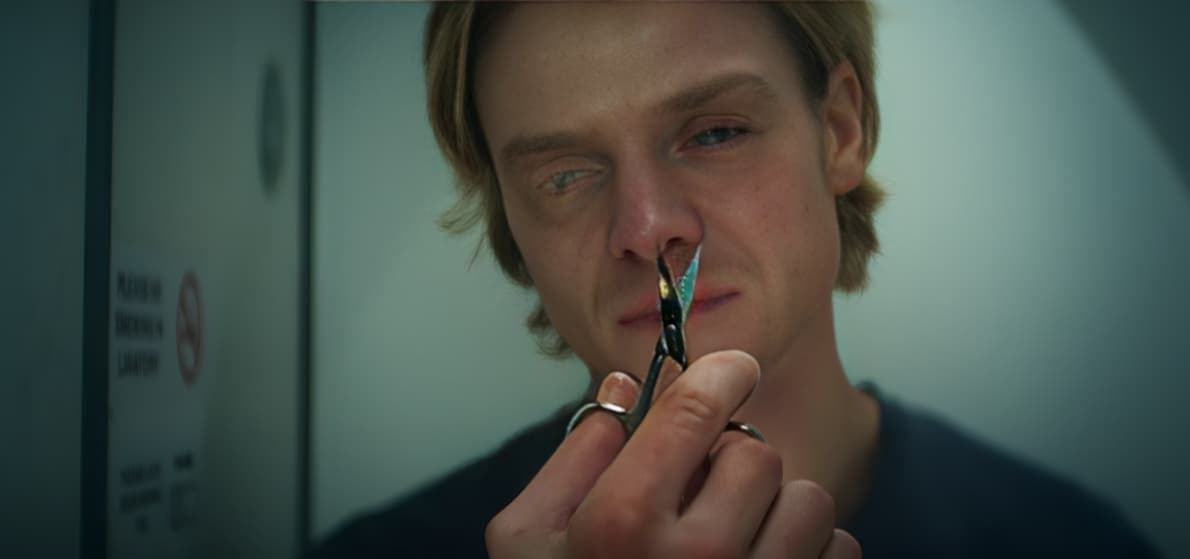
Clayface is an important example of the creative direction Gunn wants to establish for DC Studios. Rather than presenting the character solely as another villain in a superhero story, the film explores the character through the horror genre.
The film follows Matt Hagen, an aspiring actor whose appearance is severely damaged. He undergoes an experimental medical procedure in an attempt to restore his face, but the treatment leads to disturbing physical transformations and increasingly complicated consequences.
Tom Rhys Harries plays the title character, while the supporting cast includes Naomi Ackie, David Dencik, Max Minghella and Eddie Marsan. James Watkins directs the film, which draws on DC comic-book mythology while adopting a darker and more unsettling style.
Gunn has said that he would prefer audiences to appreciate Clayface as an entertaining horror film in its own right rather than watching it only because the character might appear in another film several instalments later.
This distinction matters because audiences do not necessarily need extensive knowledge of the wider DC Universe to understand a standalone story. A film can introduce its central character, establish the conflict and deliver an emotional conclusion without requiring viewers to watch several other projects first.
The approach also gives filmmakers greater freedom to develop distinctive visual styles, themes and characters. In Clayface, horror and psychological drama take priority over the conventional structure of a superhero adventure.
How Clayface Fits Into the Wider DC Universe
Although Gunn supports standalone storytelling, he has clarified that this does not mean the DC Universe will lack connections between projects.
Selected films and television series can share characters, events and continuing storylines. However, those links are not intended to become mandatory viewing requirements for every audience member.
The distinction is important for a franchise that includes projects with significantly different tones. Superman presents a superhero adventure, while Clayface adopts a horror-focused approach. Other DC productions explore animation, television drama and different corners of the fictional world.
Gunn’s strategy allows these projects to develop their own identities while leaving room for future connections. Viewers interested in the larger storyline can follow related films, while those who prefer a particular genre can watch an individual production without needing to understand every previous instalment.
This approach may also help the studio attract audiences who are less interested in complex franchise continuity but enjoy particular characters or genres.
Superman and Man of Tomorrow Will Continue a Connected Story
Gunn has also clarified how the Superman storyline will continue within the DC Universe.
The story begins with Superman and is expected to continue in Superman: Man of Tomorrow, which is scheduled for release on July 9, 2027. Gunn explained that the storyline will include characters introduced in other DC projects.
However, he stressed that this does not mean every other production exists solely to establish events in the Superman films.
The distinction allows the studio to maintain a central narrative involving selected characters without making the entire franchise dependent on it. Individual projects can contribute to the broader fictional world while remaining focused on their own stories.
For audiences, this could provide greater flexibility in choosing which films and television series to watch. It also gives DC Studios room to develop characters who may not be central to the main superhero storyline.
Can Standalone Films Strengthen the DC Franchise?
The strategy has potential benefits as well as challenges. Standalone films can appeal to audiences who want complete stories without following a complicated sequence of releases. They can also allow directors and writers to experiment with different genres, storytelling techniques and character development.
However, some fans expect a shared universe to build towards major team-ups and recognisable long-term storylines. They may feel less invested if individual projects do not provide enough visible connections or hints about what comes next.
The challenge for Gunn and DC Studios will be balancing creative independence with the appeal of a connected franchise. Strong individual stories may help build audience trust, while carefully planned crossovers can provide additional excitement without dominating every project.
Clayface offers an opportunity to test this balance through a film that places horror and character development at the centre of its narrative.
What Comes Next for DC Studios?
With Superman: Man of Tomorrow planned for 2027 and additional DC projects in development, the studio is continuing to build its fictional universe across different formats and genres.
Gunn’s comments suggest that audiences should not expect every release to function as a direct step towards one large crossover event. Instead, the studio intends to combine standalone stories with selected connections that support longer narrative arcs.
Whether this strategy satisfies all sections of the fan community remains to be seen. Its success will depend on the quality of individual productions, the strength of their characters and the studio’s ability to make the larger universe feel coherent without making it difficult to follow.
For now, Gunn’s message is clear: a film should offer a worthwhile experience on its own. In the case of Clayface, he wants viewers to focus on the horror story unfolding on screen rather than treating it simply as preparation for the character’s possible future appearances in the DC Universe.