Marvel Studios has built much of its success on a storytelling approach that gradually introduces new characters before giving them leading roles in standalone films or television series. This strategy has become one of the defining features of the Marvel Cinematic Universe, allowing audiences to become familiar with characters long before they headline their own projects.
Over the years, several major Marvel heroes have first appeared in films centered on other established characters. Natasha Romanoff, also known as Black Widow, was introduced in Iron Man 2 before eventually receiving her own standalone film. Similarly, Clint Barton, known as Hawkeye, made his first appearance in Thor before becoming a central figure in multiple Marvel productions.
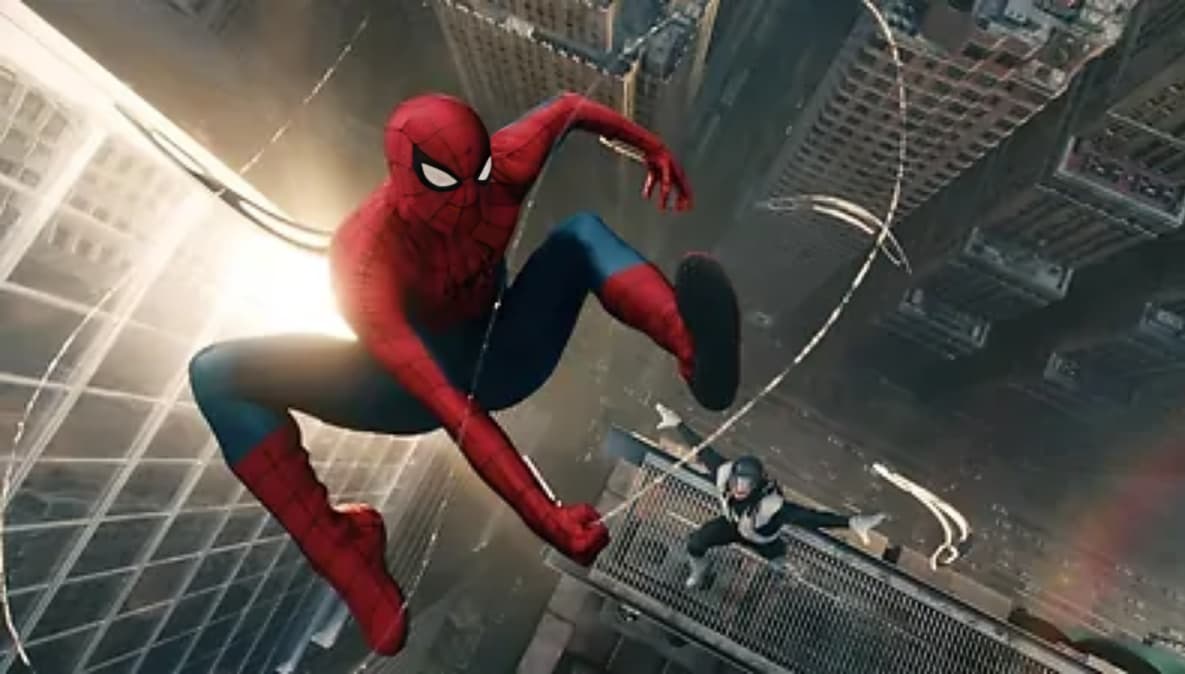
Another notable example is Black Panther, who was introduced in Captain America Civil War. The character's debut generated significant interest among audiences and helped lay the foundation for the successful Black Panther film, which later became one of Marvel's most acclaimed productions. Spider-Man followed a similar path, first appearing in Captain America Civil War before receiving a standalone film within the Marvel Cinematic Universe.
Industry analysts have often pointed to this method as a key element of Marvel's long-term storytelling strategy. By introducing characters gradually, the studio can develop audience familiarity and establish connections between heroes before launching larger individual narratives.
Recent discussions among entertainment observers have focused on actress Sadie Sink and her reported involvement in upcoming Marvel projects. While Marvel Studios has not publicly confirmed extensive details about her role, speculation has emerged that her character could be introduced through an existing franchise before potentially receiving greater prominence in future installments.
Reports surrounding the upcoming Spider-Man film titled Spider-Man Brand New Day have contributed to these discussions. Fans and commentators have suggested that Marvel may once again utilize its established formula of introducing important characters within ongoing storylines rather than launching them directly in standalone productions.
This approach offers several advantages from a storytelling perspective. Introducing characters through established franchises allows writers to integrate them naturally into the broader cinematic universe. It also provides opportunities to build relationships between characters and create future story possibilities across multiple films and series.
The Marvel Cinematic Universe has become known for its interconnected storytelling structure, where events in one project often influence narratives in another. Character introductions play a major role in maintaining this interconnected framework and helping audiences follow long-term story arcs.
Entertainment industry experts note that audience expectations have evolved alongside the growth of the Marvel franchise. Fans frequently look for clues about future characters and storylines in each new release, making character debuts significant moments within the broader franchise narrative.
Although speculation continues regarding future Marvel casting decisions and character plans, official details remain limited. Marvel Studios has traditionally revealed information about new characters and projects through carefully planned announcements and promotional events.
As the Marvel Cinematic Universe continues to expand, the strategy of introducing characters before granting them standalone stories appears to remain an important part of the studio's creative approach. Whether future projects follow the same pattern will become clearer as Marvel unveils its next phase of films and series.