Recent reports suggesting that IMAX may be exploring strategic sale options or restructuring opportunities have generated interest among cinema industry stakeholders and movie enthusiasts worldwide. While such developments could influence the company's long term business direction, experts believe that the immediate impact on ordinary moviegoers in India is likely to be limited.
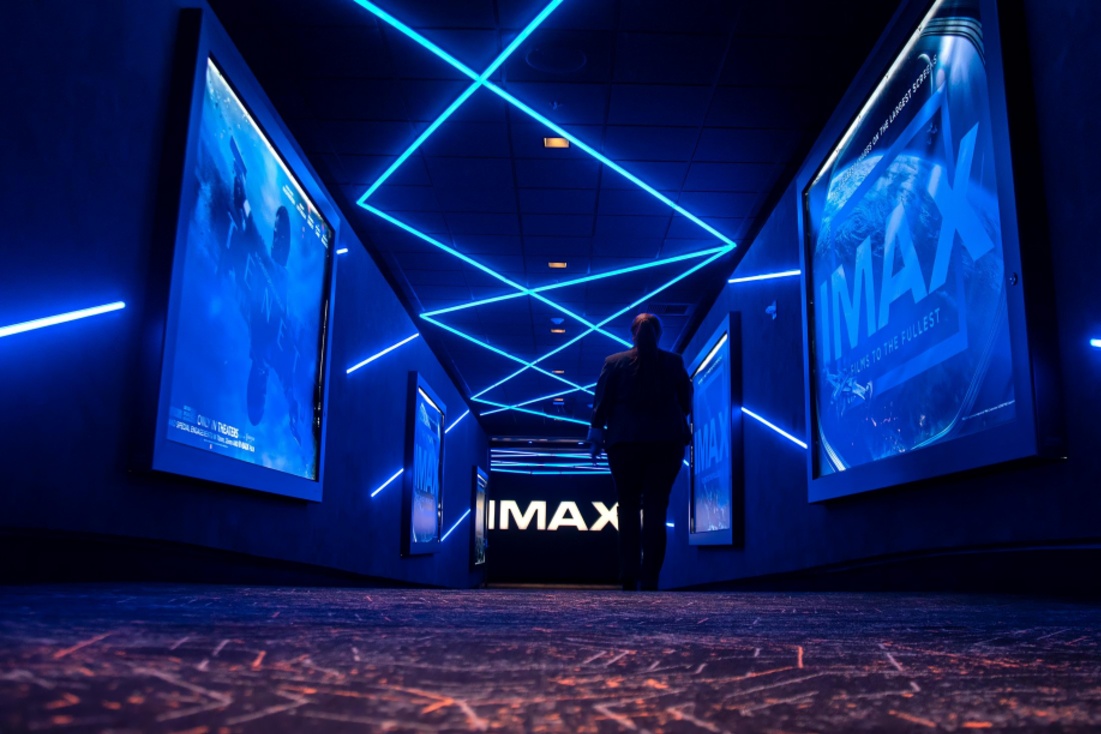
IMAX has established itself as one of the most recognized premium cinema formats globally. Known for its large screens, enhanced projection systems and immersive sound technology, the brand has become a preferred choice for audiences seeking a premium theatrical experience. Over the years, IMAX has expanded its presence across major Indian cities through partnerships with multiplex operators.
The possibility of a strategic sale or corporate restructuring has raised questions about what such changes could mean for audiences. Industry analysts note that ownership transitions are common in the entertainment and technology sectors. In most cases, these transactions focus on financial, operational and strategic objectives rather than immediate changes to consumer services.
For Indian moviegoers, the primary factors influencing the cinema experience include ticket prices, screen quality, audio performance, seating comfort and film availability. These aspects are generally managed through agreements between cinema operators and technology providers. As a result, a change in ownership at the corporate level may not directly affect day to day theatre operations.
Experts point out that existing IMAX theatres in India are likely to continue operating under their current arrangements unless significant strategic changes are announced. Movie screenings, scheduled releases and premium format experiences are expected to proceed without disruption. Any future modifications would likely be implemented gradually and communicated well in advance.
The Indian theatrical market has witnessed significant growth in premium cinema formats over the past decade. Large scale action films, science fiction productions and visually intensive releases have contributed to increasing demand for advanced viewing experiences. IMAX has benefited from this trend by attracting audiences willing to pay higher ticket prices for enhanced visual and audio quality.
At the same time, competition within the premium cinema segment has increased. Several theatre chains have introduced proprietary large screen formats and advanced projection technologies. This competitive environment means that cinema operators are continuously investing in upgraded facilities to attract audiences regardless of changes occurring at the corporate ownership level.
Industry observers also note that any potential investor or acquiring company would likely seek to preserve the value of the IMAX brand. Maintaining established technology standards, theatre partnerships and audience trust would be essential for protecting long term business performance. Consequently, major disruptions to existing operations are generally considered unlikely.
For investors and industry stakeholders, ownership discussions may be significant because they could influence future expansion strategies, technological innovation and global partnerships. However, for the average ticket paying customer, the immediate concern remains the quality of the movie experience rather than the ownership structure of the company providing the technology.
As of now, no definitive decisions regarding a sale or restructuring have been publicly confirmed. Market participants continue to monitor developments closely, while cinema operators and audiences await further announcements. Until any official changes are finalized, IMAX theatres are expected to continue functioning as usual across India and other international markets.
The situation highlights the broader evolution of the global entertainment industry, where companies regularly evaluate strategic options to remain competitive in a rapidly changing market. Whether or not ownership changes occur, the focus for most moviegoers is likely to remain on the films being released and the quality of the viewing experience they receive.