Japanese filmmaker Mamoru Hosada returns to the big screen after four years with Scarlet, an ambitious anime feature inspired by William Shakespeare’s classic tragedy Hamlet. Known for acclaimed films such as Mirai and Wolf Children, Hosada takes a bold creative leap by blending classic literature with an original fantasy mythology. While Scarlet succeeds visually and conceptually, it struggles to balance its themes and narrative clarity.
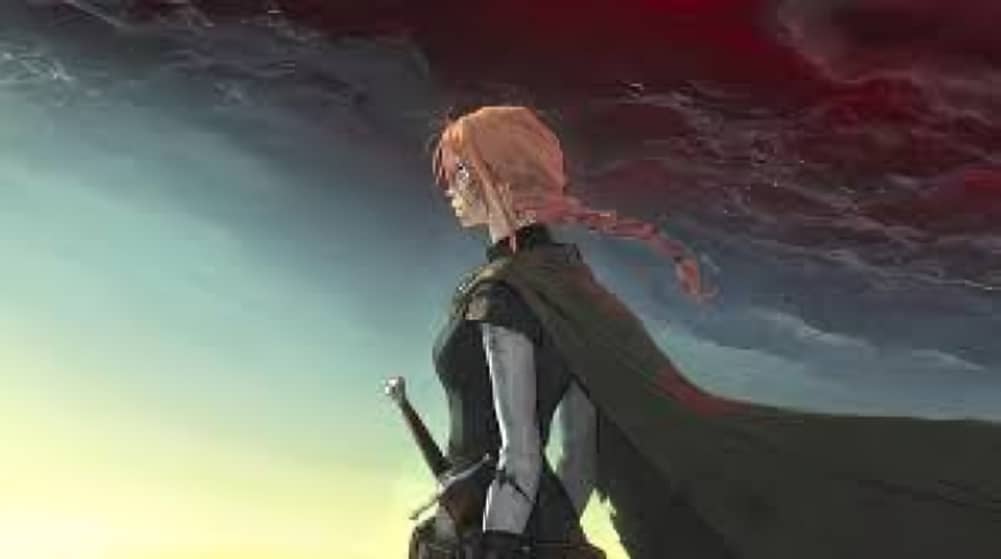
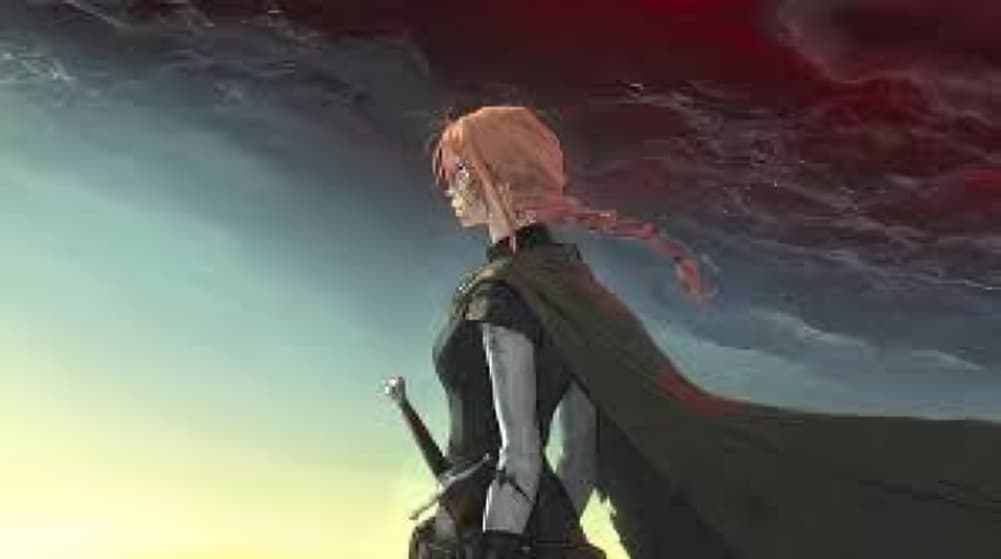
Scarlet presents a gender-reversed retelling of Hamlet. The story follows Scarlet, a pink-haired princess who embarks on a journey to avenge the murder of her father, King Amleth. Betrayed by her uncle Claudius and mother Gertrude, who conspire to seize the throne, Scarlet’s life is thrown into chaos. Her quest for justice leads her into the Otherworld, a mysterious realm situated between life and death.
The film moves between 16th-century Denmark and a fantastical universe filled with wandering souls, strange creatures, and symbolic trials. During her journey, Scarlet encounters Hijiri, a kind-hearted paramedic from the future who becomes an unexpected ally. Together, they navigate the Infinite Land, facing challenges that test Scarlet’s resolve and emotional strength.
Hosada’s strength lies in visual storytelling, and Scarlet is no exception. The animation is rich, fluid, and vibrant, with imaginative world-building that reflects the director’s signature style. The Otherworld is filled with striking imagery, including a towering dragon that serves as a judge, delivering punishment through bursts of lightning. These sequences are visually captivating and showcase the technical brilliance of the animation team.
However, while the film borrows heavily from Hamlet, it also introduces several new ideas that sometimes compete rather than complement each other. The central conflict between revenge and self-discovery is introduced but not fully explored. Scarlet’s emotional journey often feels rushed, and the film struggles to give enough space to its philosophical questions.
The writing attempts to merge Shakespearean tragedy with a modern fantasy narrative, but the transitions between worlds and timelines can feel uneven. Some characters, particularly Claudius and Gertrude, lack the depth that made their Shakespearean counterparts compelling. As a result, the emotional weight of betrayal and loss does not always land as strongly as intended.
Voice performances are solid across the board, with Mana Ashida lending sincerity to Scarlet’s character. Masaki Okada’s portrayal of Hijiri adds warmth and humanity, helping ground the story during its more abstract moments.
Scarlet is an ambitious project that demonstrates Mamoru Hosada’s willingness to take creative risks. While the film may not fully succeed in unifying its themes or delivering a cohesive emotional arc, it remains an engaging watch for fans of anime and experimental storytelling. Its visual spectacle and bold reinterpretation of a literary classic ensure that Scarlet leaves a lasting impression, even if its narrative ambitions occasionally overshadow its clarity.