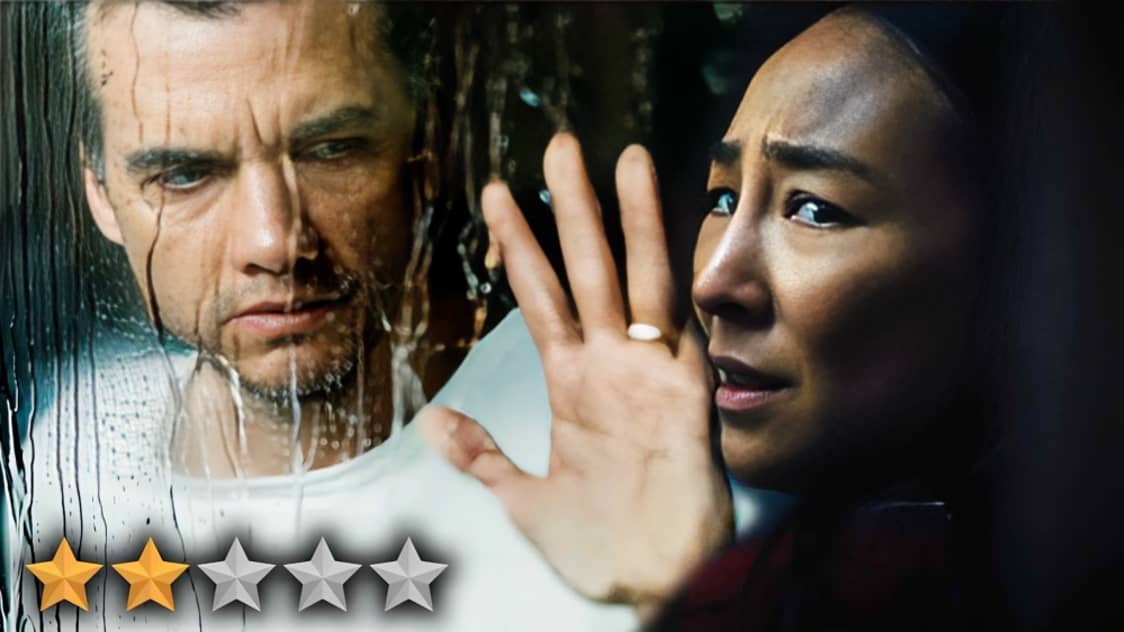
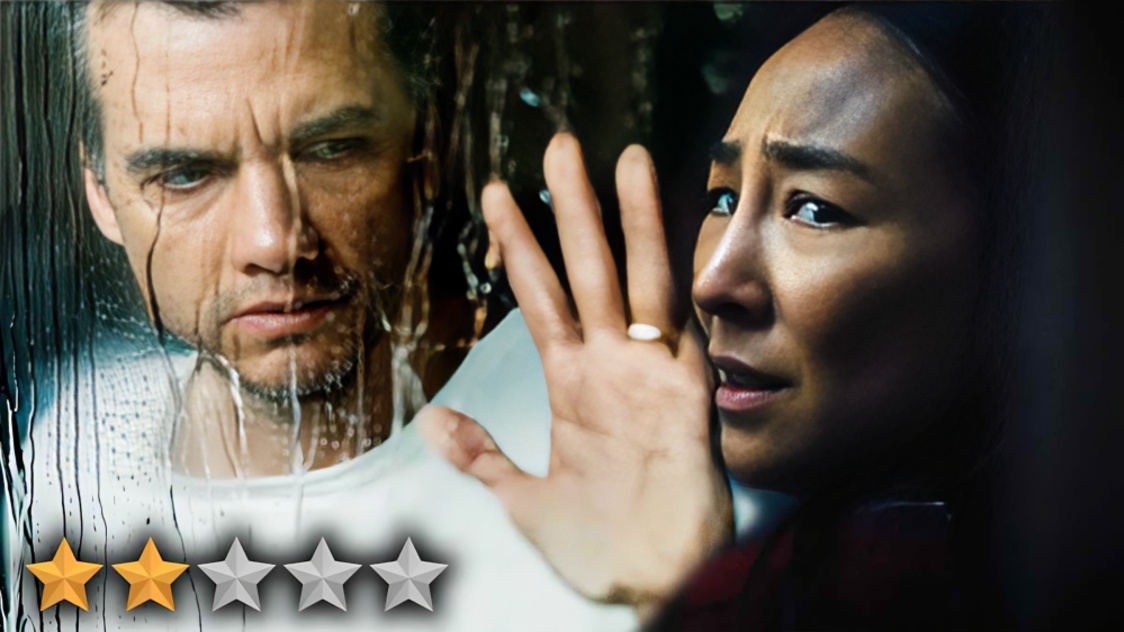
Netflix's The Last House is a dystopian survival thriller built around an intriguing and unsettling premise. The film follows a Seattle family whose ordinary life is disrupted when a mysterious rainstorm prevents them from leaving their suburban home. What initially appears to be a temporary weather event gradually becomes a much longer and more disturbing ordeal.
The story begins with the family attempting to cope with the storm together. Their home, which normally represents safety and comfort, becomes their only protection from the outside world. As the rain continues without explanation, however, the same house slowly transforms into a place of isolation and confinement.
The central idea gives The Last House an immediate sense of mystery. The audience is encouraged to wonder why the storm is continuing, what is happening outside and whether the family will ever be able to leave. The uncertainty creates tension during the early stages of the film.
The family's initial response is relatively practical. They gather supplies, remain indoors and attempt to maintain a sense of normality. As time passes, maintaining that normal life becomes increasingly difficult. Days turn into weeks, weeks become months and the family eventually faces the possibility that the situation could continue indefinitely.
The changing relationship between safety and imprisonment is one of the film's central themes. The house protects the family from the dangerous conditions outside, but it also prevents them from living normal lives. The place that once represented security gradually becomes a psychological burden.
The prolonged isolation begins to affect the family emotionally and mentally. With limited contact with the outside world, ordinary disagreements can become more serious. The absence of certainty about the future creates additional pressure, forcing the characters to confront fears and personal conflicts.
The film also explores how people respond when familiar systems disappear. Food, communication, information and social contact become increasingly important as the family attempts to survive. Their ability to cooperate becomes just as important as their physical resources.
The Last House uses the mysterious weather event as more than a simple survival device. The storm becomes a symbol of uncertainty and isolation. The characters cannot control what is happening outside, and their inability to understand the situation creates a constant sense of vulnerability.
The film's strongest element is arguably its initial concept. A family trapped inside a house by an unexplained natural event immediately creates questions that encourage viewers to continue watching. The setting also allows the filmmakers to build tension without relying entirely on conventional action sequences.
However, the mystery can become difficult to sustain over an extended narrative. When a film builds its story around a major unanswered question, viewers naturally expect meaningful developments and eventually a satisfying explanation. The Last House takes its time revealing information, which may work for viewers who enjoy atmospheric storytelling but could test the patience of those looking for faster progression.
The extended timeline also changes the nature of the story. What begins as a disaster survival film gradually becomes a psychological drama about isolation, family relationships and the effects of prolonged uncertainty.
The performances are important because much of the film's tension comes from the characters rather than external action. With the family largely confined to one location, the actors must carry scenes through conversations, conflicts and emotional reactions.
The restricted setting can create an intimate atmosphere, but it also places significant pressure on the screenplay. Repeated scenes inside the same environment need to provide enough character development and narrative movement to maintain audience interest.
The film's dystopian elements are also connected to the question of what exists beyond the family's home. Because the outside world remains largely inaccessible, the audience experiences the crisis from the family's limited perspective. This approach can make the situation feel more personal and claustrophobic.
At the same time, the lack of broader information can become frustrating. Viewers may find themselves waiting for answers about the storm and the wider situation while the story focuses increasingly on the family's internal conflicts.
The Last House therefore works best as an atmospheric survival drama rather than a straightforward disaster thriller. Its focus is less on spectacular destruction and more on the psychological consequences of being trapped and isolated for an extended period.
The film also raises questions about how people define home during a crisis. A home can provide shelter and familiarity, but when there is no possibility of leaving, the same environment can become a source of fear.
Overall, The Last House starts with a compelling premise and creates an effective sense of mystery in its early stages. Its strongest ideas revolve around isolation, family survival and the transformation of a safe environment into a psychological prison.
However, the film's slow development and prolonged mystery may not work equally well for every viewer. Those who prefer atmospheric dystopian stories may appreciate its gradual approach, while audiences expecting a fast moving survival thriller may find the narrative less satisfying.
The Last House ultimately offers an interesting concept about survival under extraordinary circumstances. Its ability to sustain that concept depends heavily on the viewer's tolerance for slow pacing and unanswered questions. The film succeeds in creating an unsettling atmosphere, but its mystery may not deliver the same impact as its promising opening suggests.