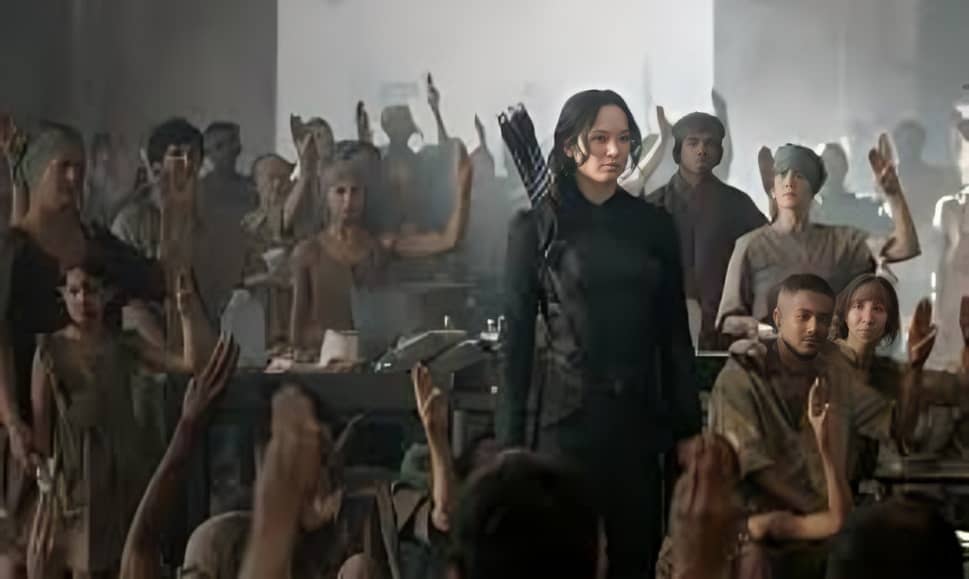
The dystopian film The Hunger Games has once again entered public conversation, more than a decade after its original release in 2012. Starring Jennifer Lawrence as Katniss Everdeen, the film is based on Suzanne Collins’ bestselling novel and explores themes of power, control, inequality, and resistance within a fictional authoritarian society. The renewed interest follows recent political announcements in the United States that have drawn comparisons to the film’s fictional universe.
The resurgence of attention came after former US President Donald Trump outlined plans for America’s 250th anniversary celebrations in 2026. One proposed event, intended as a large-scale national spectacle, led social media users and commentators to draw parallels with the ceremonial displays depicted in The Hunger Games. In the film, the ruling Capitol uses grand televised events to assert authority and reinforce social hierarchies across districts.
While the comparisons are symbolic rather than literal, they have prompted renewed discussion around the film’s cultural relevance. Viewers are revisiting The Hunger Games to reflect on how fictional narratives often mirror real-world concerns about governance, propaganda, and public spectacle. The film’s portrayal of entertainment being used as a political tool continues to resonate in modern discussions about media, power, and public perception.
Jennifer Lawrence’s performance as Katniss Everdeen remains a key reason for the film’s lasting impact. Her character represents resistance against an oppressive system, becoming an unwilling symbol of rebellion. The emotional depth and moral conflict portrayed in the film have helped it remain relevant beyond its original box office success.
The film also gained renewed traction as audiences increasingly analyze older films through contemporary lenses. As political and social events evolve, stories like The Hunger Games are often re-examined for their commentary on authority, inequality, and collective response. This has made the franchise particularly relevant in online discussions and academic circles alike.
It is important to note that the film’s creators did not intend it as a direct commentary on any specific modern political figure or event. Instead, The Hunger Games draws from broader historical and literary influences, including ancient Roman practices, media culture, and dystopian literature. The current comparisons reflect audience interpretation rather than authorial intent.
Streaming platforms and digital access have also contributed to the film’s renewed popularity. With easy availability, audiences are revisiting the franchise or discovering it for the first time, often engaging in discussions about its themes on social media and discussion forums.
As The Hunger Games trends once again, its return to public focus demonstrates how cinema can remain culturally significant long after its release. The film’s ability to spark dialogue around power, spectacle, and resistance underscores its place as a modern dystopian classic that continues to reflect societal anxieties and political conversations.