
Sai Pallavi has established herself as one of the distinctive performers in South Indian cinema. Known for her natural acting style, expressive performances and willingness to take on unconventional characters, she has appeared in Malayalam, Tamil and Telugu films. While some of her roles have received widespread attention, several other performances have demonstrated her versatility without receiving the same level of recognition.
Her approach to acting often focuses on emotions, body language and believable characterisation rather than exaggerated expressions. From relationship dramas and psychological thrillers to socially relevant stories and period films, she has explored different types of characters throughout her career.
Here are five performances that deserve more attention from audiences.
In the Malayalam film Kali, Sai Pallavi played Anjali, a young woman married to Siddharth, portrayed by Dulquer Salmaan. The story explores the difficulties of their relationship, particularly the challenges created by Siddharth’s anger and temperament.
Anjali is not written as a character who simply accepts every situation without question. She has her own personality, emotions and responses to the problems within her marriage. Sai Pallavi brings a sense of realism to the role by presenting Anjali’s affection, concern and fear through restrained expressions.
The film places the character in situations that require emotional strength and difficult decisions. Her performance helps communicate the pressure of living with a partner whose anger affects their everyday relationship. Rather than depending on dramatic dialogue, she uses subtle reactions to express Anjali’s emotional condition.
Kali deserves attention in discussions about Sai Pallavi’s acting because it demonstrates her ability to portray complicated relationships in a believable manner.
Athiran, the Malayalam psychological thriller starring Fahadh Faasil, gave Sai Pallavi an opportunity to explore a challenging character. She played Nithya, a woman living in a psychiatric facility whose past and circumstances form an important part of the film’s mystery.
The role required a different approach from the romantic and outspoken characters she had played in other films. Nithya's communication and behaviour are central to the story, making expressions and body language particularly important.
Sai Pallavi uses controlled movements, facial expressions and silence to convey the character’s emotions. Her performance creates curiosity about Nithya while allowing the film's mystery to develop gradually.
Athiran also demonstrates her ability to work within a psychological thriller rather than relying on the familiar strengths of a romantic drama. The character requires emotional restraint and careful physical expression, making it one of the more distinctive roles in her filmography.
Sumathi is a young pregnant woman who returns to her family after marrying outside her community. Her return brings unresolved tensions and exposes the harsh consequences of social prejudice and family honour.
The character faces an emotionally demanding situation in which affection, fear, hope and vulnerability come together. Sai Pallavi approaches the role with restraint, allowing the character’s emotional journey to develop through her expressions and reactions.
The subject matter makes the performance particularly difficult because the story deals with deeply disturbing social realities. Her portrayal contributes to the emotional impact of the segment without relying on unnecessary exaggeration.
Although Paava Kadhaigal is an anthology rather than a conventional feature film centred entirely on her character, Sumathi remains one of the memorable roles in Sai Pallavi’s career. The performance deserves recognition for its emotional intensity and the seriousness with which it approaches a socially sensitive subject.
In the Telugu film Virata Parvam, Sai Pallavi played Vennela, a young woman whose admiration for a revolutionary writer develops into a deeper emotional connection. Set against the backdrop of the Naxalite movement in Telangana during the 1990s, the film explores love, political conviction and personal sacrifice.
Vennela is a character driven by strong emotions and a belief in the person she admires. Her journey takes her into an unfamiliar and dangerous environment, where personal feelings become connected with larger political and social questions.
Sai Pallavi gives the character an emotional sincerity that helps audiences understand her decisions. Her performance captures Vennela’s devotion, determination and vulnerability as the story progresses.
The film did not receive the level of mainstream attention that some of her more popular projects attracted. However, her portrayal remains an important example of her willingness to take on roles that require emotional commitment and a different screen presence.
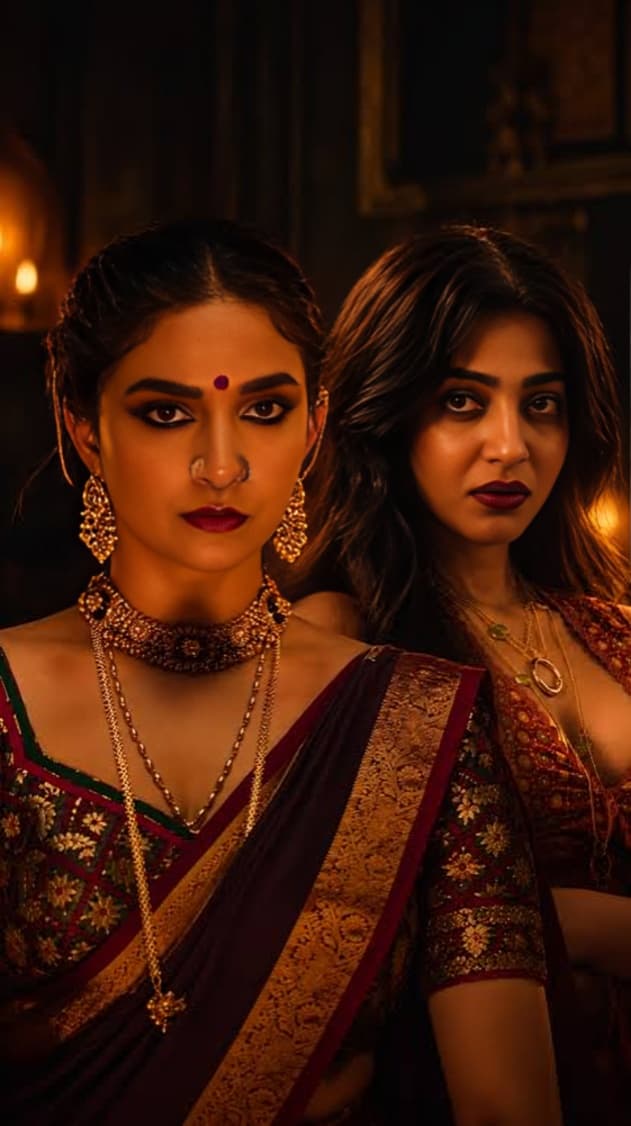
Shyam Singha Roy offered Sai Pallavi another opportunity to explore a period character. In the Telugu film, she portrayed Maitreyi, also known as Rosie, a devadasi whose story is connected to the film’s historical narrative.
The character belongs to a different social and cultural setting from the contemporary roles Sai Pallavi has played. Her performance required her to convey the dignity, vulnerability and emotional struggles of a woman seeking freedom and respect.
Dance and artistic expression are important aspects of the character. Sai Pallavi's screen presence and expressive abilities help bring these moments to life. She also communicates the emotional conflict surrounding Maitreyi's personal journey.
Her portrayal adds an important emotional dimension to the film. It demonstrates her ability to adapt to a period setting and create a character whose experiences differ considerably from those of the modern young women she has often portrayed.
A Career Built on Varied Characters
These five performances show different aspects of Sai Pallavi’s acting abilities. Anjali in Kali explores the complexities of marriage, Nithya in Athiran highlights expressive physical acting, and Sumathi in Paava Kadhaigal addresses a difficult social issue. Vennela in Virata Parvam brings together personal emotion and political circumstances, while Maitreyi in Shyam Singha Roy showcases her work in a period drama.
Sai Pallavi's filmography demonstrates that her appeal is not limited to popular songs, dance performances or romantic roles. She has repeatedly chosen characters that allow her to explore different emotional experiences and storytelling styles.
The description of these performances as underrated is an editorial perspective rather than a formal ranking. Nevertheless, they offer audiences an opportunity to revisit films that reveal the range of her work. As her career continues to develop, these roles remain worthwhile examples of the natural screen presence and character-driven performances that have made her a recognised name in South Indian cinema.