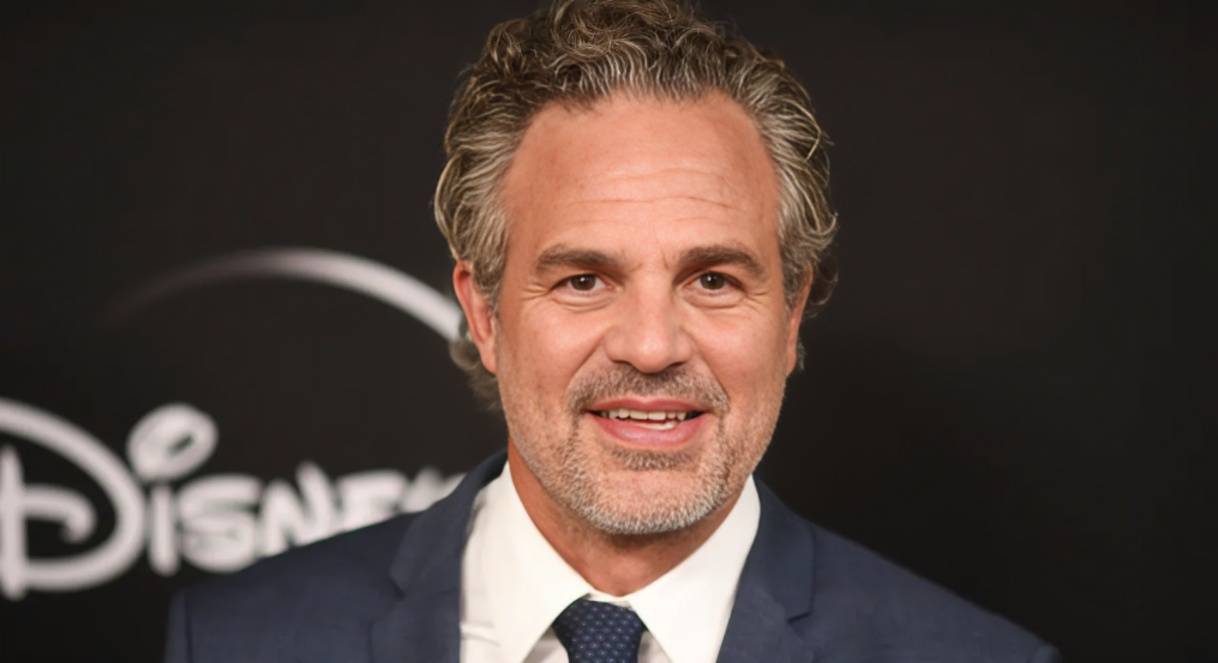
Hollywood actor Mark Ruffalo, widely recognised for playing Bruce Banner, also known as the Hulk, in the Marvel Cinematic Universe, has turned his attention to a political and environmental issue in the United States. As anticipation builds around the upcoming Avengers: Doomsday, Ruffalo has used his public platform to urge Americans to oppose a proposed piece of legislation that he believes could weaken environmental protections and affect Indigenous communities.
In a video shared on Instagram, Ruffalo criticised Senate Democrats for supporting the Bipartisan American Affordability and Jobs Act. He called on Americans to contact their senators and representatives and ask them to oppose the proposal. The actor argued that the legislation could benefit the fossil fuel industry while reducing important safeguards relating to clean water, public lands, tribal rights and endangered species.
His comments have brought renewed attention to the debate surrounding the proposed legislation and the balance between infrastructure development, energy policy and environmental protection.
What Is the Bipartisan American Affordability and Jobs Act?
The Bipartisan American Affordability and Jobs Act of 2026 is a proposed US federal legislation introduced in the Senate on September 30, 2026. The measure, identified as S. 5653, was introduced by Senator Shelley Moore Capito, with support from Senators Mike Lee, Sheldon Whitehouse and Martin Heinrich.
The proposal focuses on reforming federal permitting procedures for infrastructure and energy projects. Its provisions cover areas including environmental reviews, electricity transmission, energy infrastructure and historic preservation. The legislation seeks to make the approval process for certain projects faster and more predictable.
Supporters of the bill argue that lengthy permitting procedures can delay infrastructure development, increase costs and make it more difficult to expand energy supplies. They say reforms could help accelerate the construction of power plants, pipelines, transmission networks and other essential projects. The proposal also includes provisions intended to address the electricity costs associated with large data centres.
However, critics have raised concerns about the possible consequences of changing existing environmental review requirements. They argue that reducing the time available for reviews and legal challenges could limit opportunities for communities and environmental organisations to raise concerns about projects that may affect their surroundings.
Why Mark Ruffalo Is Opposing the Bill
In his Instagram video, Ruffalo strongly criticised the proposed legislation and questioned why Senate Democrats were supporting a measure backed by the Trump administration.
He argued that the bill could accelerate the development of artificial intelligence data centres, pipelines, mines and power plants while putting environmental safeguards at risk. He also raised concerns about the potential impact on Indigenous rights, tribal sovereignty, public lands and protections for endangered species.
Ruffalo described the legislation as a major victory for the fossil fuel industry and urged Democratic lawmakers to reconsider their position. He said Americans should make their concerns known directly to elected representatives rather than remain silent while the proposal moves through Congress.
The actor's criticism reflects his long-standing involvement in environmental activism. In addition to his film career, Ruffalo has regularly spoken about climate change, clean energy, water protection and environmental justice. He has used interviews, public appearances and social media to encourage greater attention to environmental issues.
His latest intervention has placed a Hollywood figure at the centre of a debate that is primarily taking place in the US political and legislative arena.
Senate Democrats Face Questions Over Their Position
Ruffalo specifically criticised Senate Democrats, including Senate Minority Leader Chuck Schumer, over their reported support for advancing the legislation. He argued that Democrats should not support a proposal that, in his view, could weaken environmental protections and give the Trump administration greater authority over infrastructure development.
The issue has also exposed differences within the Democratic Party. Some lawmakers support moving forward with permitting reform but want changes to provisions concerning environmental protections and public participation. Others believe that lawmakers should wait for a different political situation before approving the measure.
The Senate's procedural vote to begin debate on the legislation received support from lawmakers across party lines. This does not mean that every senator who supported beginning debate necessarily agrees with every provision of the bill. The distinction between allowing debate and approving the final legislation is important when assessing the political developments.
The proposal has therefore become the subject of discussions about how to balance infrastructure development with environmental safeguards. While some lawmakers see permitting reform as necessary to address energy and economic challenges, others are concerned about the long-term effects of reducing existing review procedures.
Environmental Groups and Indigenous Rights Concerns
One of the major concerns raised by opponents relates to the possible effect of the bill on environmental review processes. Laws such as the National Environmental Policy Act, the Clean Water Act and the Endangered Species Act form important parts of the United States' environmental protection framework.
Changes to these laws and related permitting procedures could influence how federal agencies assess infrastructure projects and consider their potential environmental impact.
Ruffalo has specifically highlighted clean water, tribal rights, public lands and endangered species in his criticism. His concern is that faster approvals could come at the expense of communities and ecosystems affected by large-scale development.
Indigenous communities in the United States have long raised concerns about infrastructure and energy projects that may affect ancestral lands, water resources and culturally significant areas. Opponents of the proposal argue that adequate consultation and environmental assessments are necessary to protect these interests.
However, supporters of the bill maintain that reforming permitting procedures does not mean abandoning environmental responsibility. They argue that clearer deadlines and more predictable approval processes can help the country build essential infrastructure without unnecessary delays.
Supporters Say the Bill Could Improve Energy Development
The legislation's supporters have presented it as an effort to modernise the federal permitting system and address challenges in the country's energy infrastructure.
They argue that delays in approving electricity generation and transmission projects can increase costs and make it harder to meet growing demand. The rapid expansion of data centres and artificial intelligence services has also increased attention on electricity supply and grid capacity.
The bill includes provisions intended to ensure that large data centres contribute towards the additional electricity infrastructure required to serve them. Supporters say this could prevent ordinary consumers from carrying an unfair share of the costs associated with major new energy demands.
The disagreement is therefore not simply about whether infrastructure development should be accelerated. It concerns how the approval process should work, what environmental safeguards should remain in place and how affected communities should be involved.
Ruffalo's Activism Beyond Hollywood
Mark Ruffalo has built a career as an actor while also becoming a prominent public voice on environmental issues. His portrayal of Hulk in Marvel films has made him internationally recognised, but his public activities also include campaigning on climate change, clean energy and environmental protection.
His latest comments show how celebrities can use their visibility to draw attention to political and social debates. By encouraging people to contact their elected representatives, Ruffalo is seeking to turn public concern into direct political engagement.
His intervention also comes as Marvel fans look ahead to Avengers: Doomsday. While the film has generated interest among audiences, Ruffalo's recent social media activity has focused on an issue outside the entertainment industry.
A Debate That Extends Beyond Hollywood
Ruffalo's opposition to the Bipartisan American Affordability and Jobs Act has added a celebrity voice to an ongoing US legislative debate. His central argument is that economic development and faster infrastructure approvals should not come at the cost of environmental protection and Indigenous rights.
Supporters of the bill, meanwhile, argue that permitting reform is necessary to expand energy infrastructure, improve electricity reliability and reduce delays for major projects.
The legislation's future will depend on the discussions and decisions made in Congress. As lawmakers consider its provisions, questions about environmental reviews, public participation, energy development and the rights of affected communities are likely to remain central to the debate.
For now, Ruffalo has urged Americans to make their views known and has called on Senate Democrats to reconsider their support. His comments have once again highlighted the intersection of celebrity activism, environmental policy and US politics.