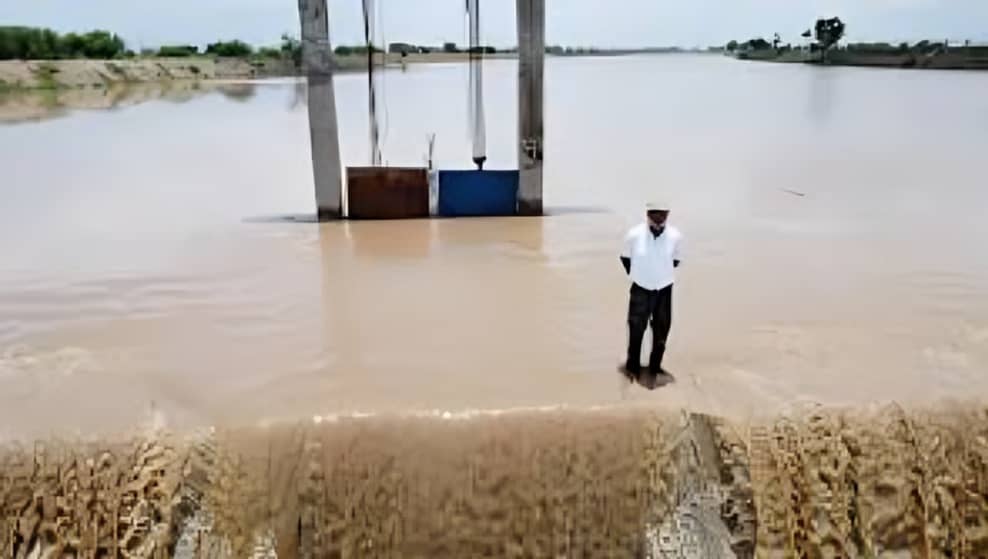
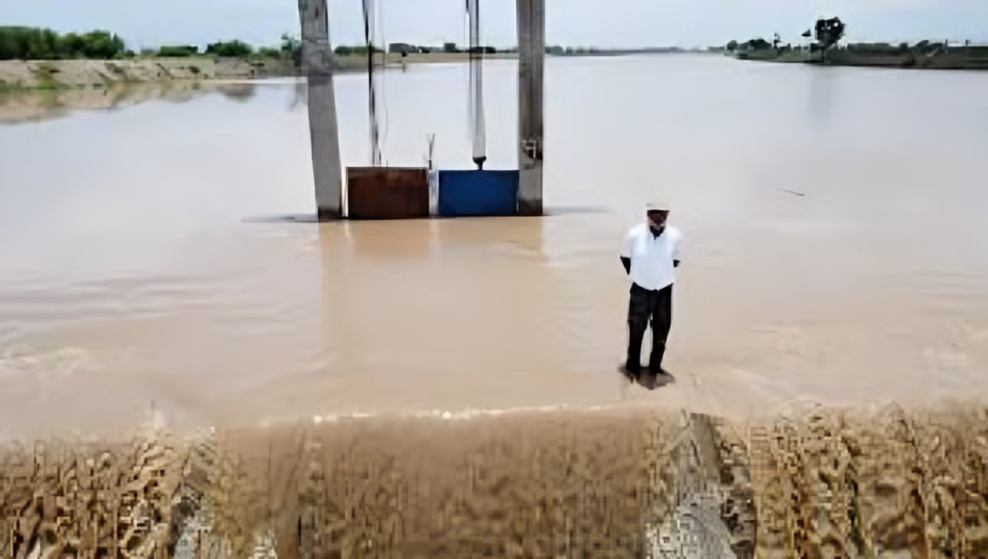
The Gagadiya River in Gujarat’s Amreli district has witnessed a remarkable revival, bringing renewed life to agriculture and water security in the region. Once reduced to a fading memory for local communities, the river has now become a dependable water source again, benefiting farmers and residents across Lathi taluka.
Not long ago, the Gagadiya River was on the verge of drying up due to reduced rainfall, groundwater depletion, and limited water conservation infrastructure. The decline of the river had severely impacted agriculture, forcing farmers to depend on a single crop each year and pushing many families to migrate in search of livelihoods. The revival project has changed this reality.
The restoration of the river has been carried out through a collaborative effort involving the Government of Gujarat and private partners, including voluntary organizations. The river stretches nearly 54 kilometres and has undergone extensive deepening and widening. Its depth has been increased to between 6 and 20 feet, while its width now ranges from 100 to 300 feet. These measures have significantly improved water flow and storage capacity.
As part of the project, more than 160 ponds and check dams have been constructed along the river’s course. These structures help retain rainwater, recharge groundwater, and ensure a steady supply of water throughout the year. The overall water level in the river has risen from around 10 feet to nearly 12 feet, improving both surface and underground water availability.
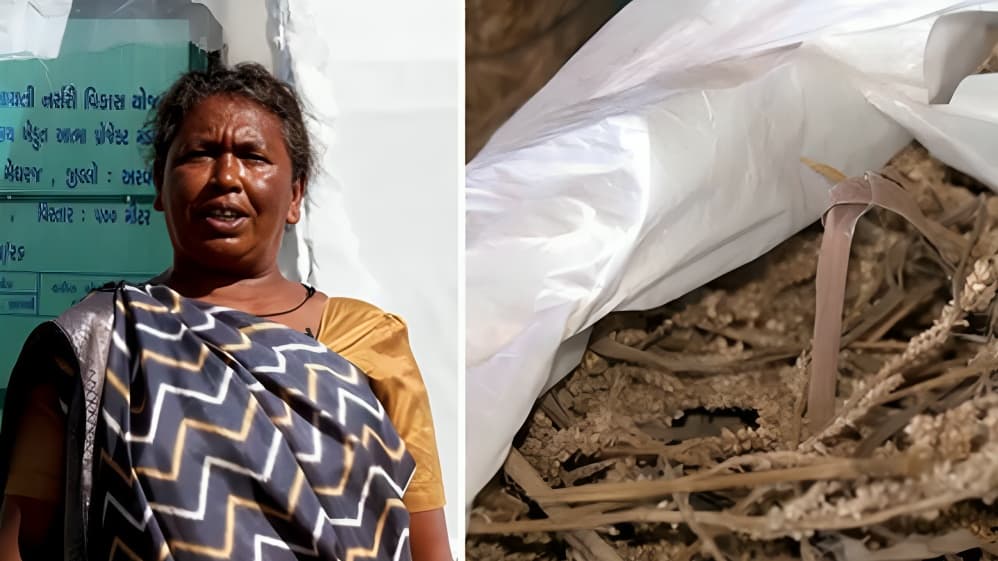
The impact of the revival is clearly visible across 26 nearby villages. Farmers who once struggled with water scarcity are now able to irrigate their fields regularly. Earlier, most farmers could grow only one crop annually due to limited water. With improved irrigation facilities, the region has shifted to three crop farming, leading to higher agricultural output and increased income.
Local residents report that the return of reliable water sources has encouraged people to come back to their villages. Many families who had moved to towns and cities in search of work are now resettling in rural areas and reconnecting with agriculture. This has strengthened village economies and improved social stability.
The revival of the Gagadiya River has also contributed to groundwater recharge. Areas that previously required borewells of over a thousand feet are now accessing water at much shallower levels. This has reduced the cost of irrigation and improved long term water sustainability.
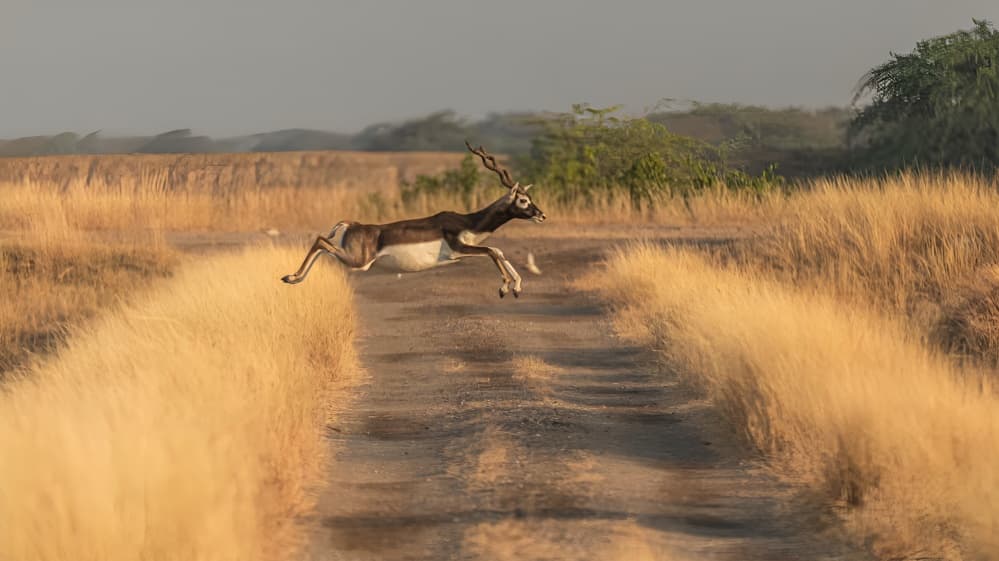
Beyond agriculture, the river restoration has enhanced environmental balance in the region. Increased greenery, improved soil fertility, and better moisture retention have positively affected the local ecosystem.
The Gagadiya River revival stands as an example of how coordinated planning, community participation, and government support can restore natural resources. More than just a water conservation project, it represents renewed hope, economic stability, and a sustainable future for thousands of families in Amreli district.