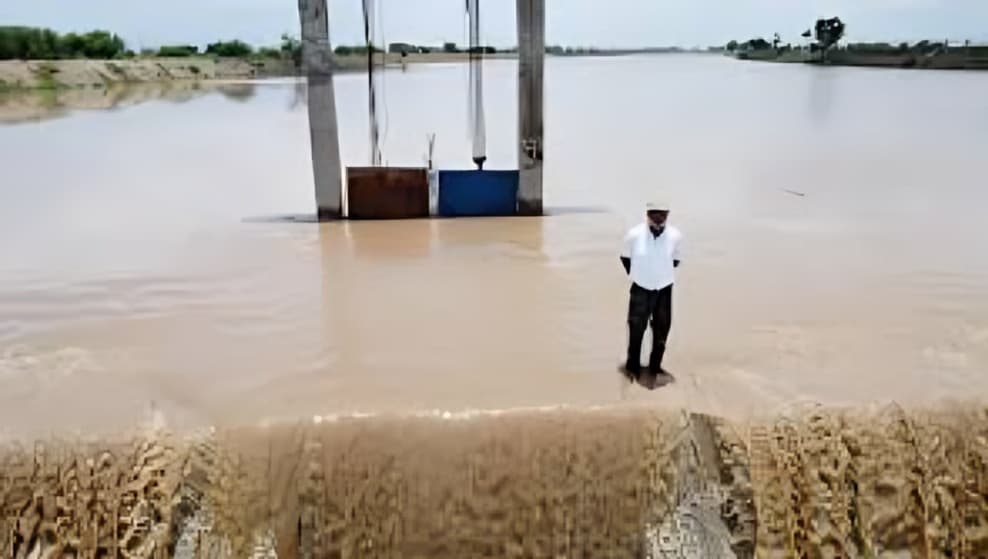
Heavy rainfall lashed several parts of Banaskantha district in Gujarat on Thursday, leading to waterlogging in many low-lying areas and causing significant inconvenience to local residents. The unexpected downpour began early in the morning and continued for several hours, submerging roads, homes, and agricultural fields under several inches of water.
According to the India Meteorological Department (IMD), the region received above-average rainfall within a short period, contributing to the flooding. Areas such as Dhanera, Tharad, and Palanpur were among the worst affected, with reports of water entering residential areas and disrupting traffic movement. Public transport was partially halted in certain pockets due to submerged roads and poor visibility.
Local residents expressed concerns over the lack of proper drainage systems, which worsened the situation. Many households faced power outages, and access to clean water was temporarily disrupted. Schools in the affected areas remained closed as a precautionary measure.
The district administration quickly sprang into action, deploying teams from the State Disaster Response Force (SDRF) and municipal bodies to assess and manage the situation. Pumps were set up at key locations to remove stagnant water, and emergency shelters were opened for residents in flood-prone zones. Relief materials, including food packets and drinking water, were distributed in the most affected areas.
Officials have advised people to avoid unnecessary travel and to remain indoors, especially in areas where waterlogging is severe. Continuous monitoring of water levels in rivers and reservoirs in the region is underway to prevent any potential overflow.
Gujarat Chief Minister has been briefed about the situation and has instructed the district administration to ensure that immediate relief and recovery measures are implemented. Helpline numbers have been made available for residents to report emergencies or request assistance.
Agricultural experts have also been called in to evaluate potential damage to crops, as many farmlands have been inundated. Farmers are concerned about the impact of stagnant water on the health of standing crops, particularly in regions where sowing was recently completed.
Although the rainfall has currently subsided, weather forecasts indicate the possibility of more showers in the coming days. The IMD has issued a yellow alert for the district and urged residents to stay updated with official advisories.
This incident once again highlights the pressing need for better urban planning, effective stormwater drainage systems, and climate-resilient infrastructure in rural and semi-urban areas of Gujarat. Authorities are working round the clock to restore normalcy and ensure the safety of all residents in the affected regions.