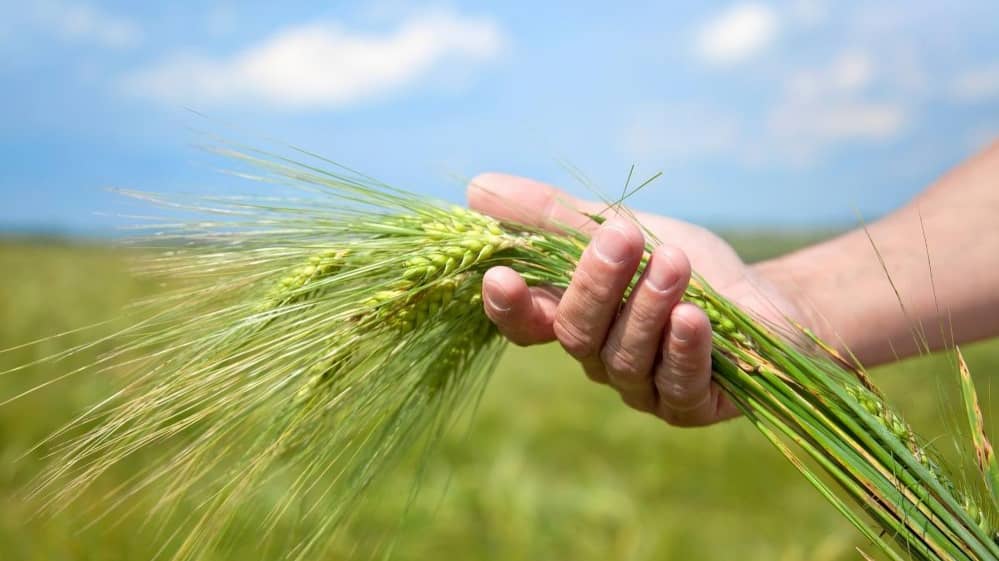
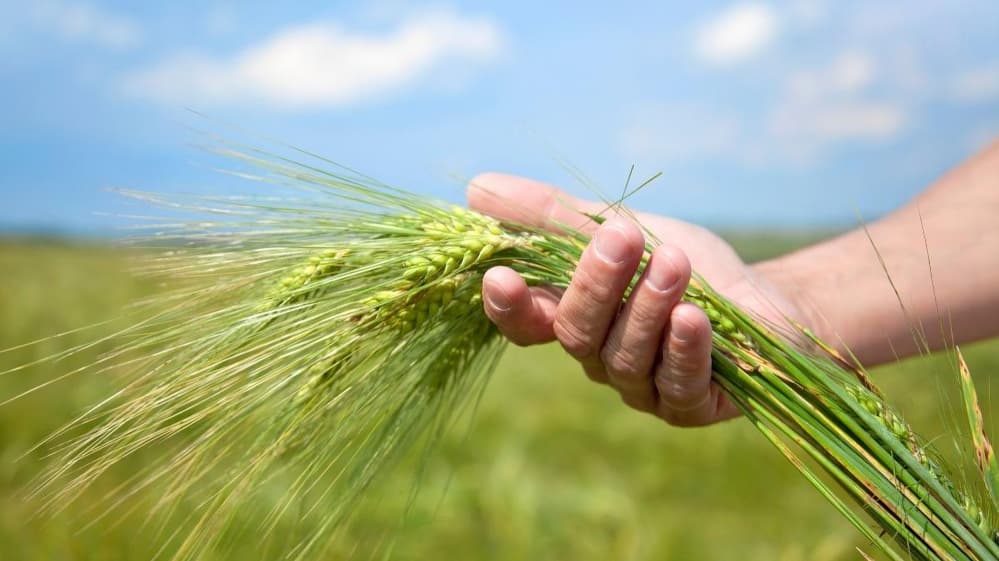
Dang district has achieved a significant milestone in Indian agriculture by becoming the country’s first fully organic farming district. With this development, all agricultural activities across the district are now being carried out using organic methods, completely free from chemical fertilizers and synthetic pesticides. The achievement reflects years of coordinated efforts between the government, agricultural experts, and local farmers to promote sustainable farming practices.
The transformation of Dang into a fully organic district was driven by the need to protect soil health, conserve natural resources, and improve long-term farm productivity. Farmers were gradually guided to shift away from chemical-based farming through training programs, awareness campaigns, and financial support. Organic inputs such as compost, green manure, biofertilizers, and natural pest control methods were promoted on a large scale to ensure a smooth transition.
Officials involved in the project stated that one of the key objectives was to improve farmers’ income while also safeguarding the environment. Organic produce from the district is expected to fetch better prices in both domestic and export markets due to rising demand for chemical-free food. This is likely to increase the economic stability of farmers and reduce their dependence on costly chemical inputs.
The shift to organic farming has also contributed to improved soil fertility and water conservation. By eliminating harmful chemicals, the district has seen better soil structure, increased microbial activity, and improved moisture retention. These changes have made farming more resilient to climate variations and have reduced the long-term risk of land degradation.
In addition to economic and environmental benefits, the organic transition has also improved public health outcomes. The absence of chemical residues in food crops ensures safer consumption for local communities and consumers. Officials noted that organic farming supports biodiversity by encouraging the growth of beneficial insects and preserving natural ecosystems.
The government played a crucial role in this transformation by providing technical assistance, certification support, and market linkages for organic produce. Farmers were encouraged to form self-help groups and cooperatives to collectively manage production and marketing. Organic certification processes were streamlined to help farmers access wider markets and value chains.
Experts believe that Dang’s success can serve as a model for other districts across the country. With increasing concerns over soil degradation, water pollution, and climate change, organic farming offers a sustainable alternative that balances productivity with environmental protection. States are expected to study Dang’s model and adopt similar strategies in suitable regions.
Farmers in the district have expressed satisfaction with the results of organic cultivation. While the initial transition phase required adjustments in farming practices, they now report stable yields, lower input costs, and better market prices. Many have also pointed out improvements in crop quality and soil condition over time.
The declaration of Dang as a fully organic farming district marks a major step in India’s journey toward sustainable and self-reliant agriculture. The initiative aligns with the national vision of promoting natural farming, protecting the environment, and ensuring long-term food security. Authorities hope that this achievement will inspire wider adoption of organic practices across the country in the coming years.