
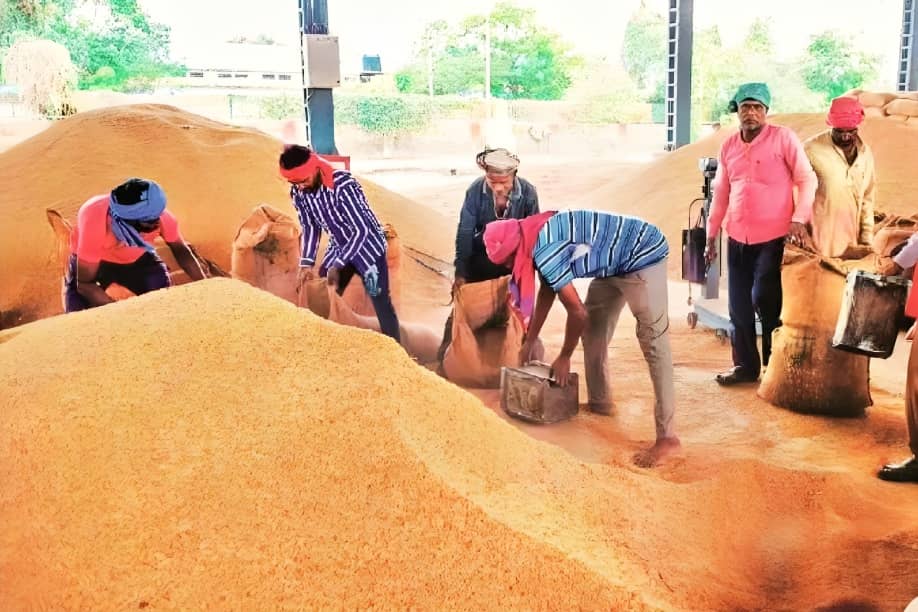

Farmers across Jharkhand are witnessing a positive shift in the paddy procurement process, as improved prices and faster payment systems bring much-needed relief to the rural economy. The ongoing procurement season has seen increased participation from farmers, with many reporting smoother transactions and reduced financial pressure compared to previous years.
One of the key factors contributing to this improvement is the availability of better prices for paddy at government procurement centres. Farmers are able to sell their produce at assured rates, which has helped them cover rising costs related to seeds, fertilisers, labour, and irrigation. This price stability has encouraged more farmers to bring their harvest to official procurement centres instead of relying on private traders.
Another major development is the faster disbursement of payments. According to farmers, payments are being credited directly to their bank accounts within a shorter time frame, reducing delays that were common in the past. This has limited the need for borrowing from moneylenders and has improved cash flow during the critical post-harvest period.
Officials involved in the procurement process have attributed the improvements to better coordination among departments and the use of digital platforms. Online registration of farmers, improved monitoring of procurement centres, and direct benefit transfer systems have contributed to increased transparency and efficiency. These measures have also helped reduce irregularities and ensure that payments reach beneficiaries without intermediaries.
Farmers’ organisations have welcomed the changes but have also highlighted areas that need further attention. While many procurement centres are functioning smoothly, some remote areas still face logistical challenges, including limited storage facilities and transportation issues. Addressing these concerns could further strengthen the procurement system and ensure that benefits reach all sections of the farming community.
The improved procurement environment has had a positive impact on rural households, enabling farmers to meet daily expenses, repay debts, and plan for the next agricultural season with greater confidence. Agricultural experts note that timely payments play a crucial role in sustaining farm incomes and maintaining production levels.
As Jharkhand continues to focus on strengthening its agricultural support systems, farmers remain hopeful that consistent implementation of fair pricing and prompt payments will become a long-term feature. Sustained efforts in this direction are expected to contribute to improved livelihoods and greater stability in the state’s agrarian economy.


