
Karnataka Minister MB Patil Criticises Centre's UDAN Policy Over Shivamogga Flight Suspension
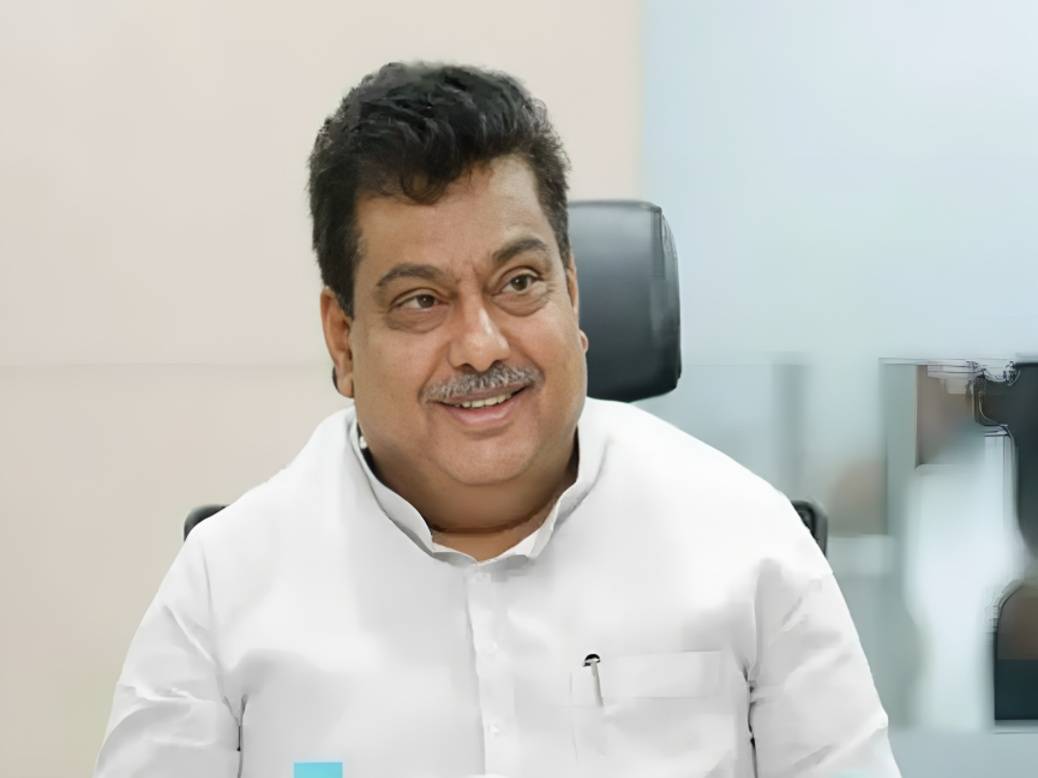
Karnataka Industries and Infrastructure Development Minister MB Patil has criticised the Union government's regional aviation support policy following the planned suspension of flight services from Shivamogga Airport. He has argued that shortcomings in the Centre's UDAN scheme have made it difficult to sustain operations at smaller airports after the initial period of financial assistance ends.
Speaking to reporters in Bengaluru on November 10, 2026, Patil said the Karnataka government was preparing a comprehensive civil aviation policy to improve regional air connectivity and strengthen the management of airports operated by the state. The proposed policy will be placed before the next state Cabinet meeting for consideration.
The policy is expected to include financial assistance, viability gap funding and guidelines for the development and operation of state-managed airports. Patil said the framework could also serve as a model for other states facing similar challenges in maintaining regional flight services.
The announcement comes amid growing concern over the future of air connectivity in Shivamogga. Flight operations from Rashtrakavi Kuvempu Airport are scheduled to face disruption from November 21, after airlines operating on regional routes withdrew or approached the end of their existing support arrangements.
Why Are Flights From Shivamogga Airport Being Suspended?
The planned suspension has become a political issue between the Karnataka government and the opposition BJP. Shivamogga MP BY Raghavendra has urged the state government to provide immediate financial assistance to keep flight services operational.
Patil, however, has argued that the problem is linked to the structure of the Centre's UDAN regional connectivity scheme. Under the arrangement discussed by the minister, airlines receive viability gap funding to encourage them to operate routes that may not initially generate sufficient revenue.
Patil said Karnataka had requested the Union government to extend the viability support period from three years to five years. The state had also proposed that the Centre and the state government jointly provide financial support for another five years, with both contributing 50 per cent of the funding.
According to Patil, the Centre did not accept this proposal. He argued that smaller airports need a longer period of financial assistance because passenger numbers and commercial demand may take several years to increase.
The minister also claimed that flight operations at 17 airports across the country had been suspended after the completion of their existing support arrangements. His comments were intended to highlight what he described as a wider challenge in maintaining regional air connectivity.
Star Air Services Face Suspension From November 21
Shivamogga's Rashtrakavi Kuvempu Airport is facing an immediate connectivity challenge as Star Air is currently the only airline operating services from the airport. Its regional flights connecting Shivamogga with destinations including Hyderabad, Tirupati and Goa are scheduled to be suspended from November 21, according to reports.
IndiGo had also operated services from Shivamogga but suspended its operations earlier. The withdrawal of the remaining services would leave passengers in the region with fewer convenient air travel options.
The issue is particularly important for residents of the Malnad region and adjoining districts in central Karnataka. Travellers who depend on air services for business, tourism, medical visits and other essential journeys may have to use airports in other cities if flights are discontinued.
Shivamogga MP BY Raghavendra has argued that the state government should provide viability gap funding similar to the assistance made available to airports in Kalaburagi and Bidar. He has also sought the inclusion of Shivamogga in future regional connectivity route plans.
The minister has challenged the MP to secure similar financial support for Shivamogga through the relevant development funds. The disagreement has intensified the debate over whether the state or the Centre should take greater responsibility for maintaining services at smaller airports.
What Does Karnataka's New Civil Aviation Policy Propose?
Karnataka's proposed civil aviation policy is intended to provide a more structured approach to airport development, funding and management.
One of its key areas is financial support for airports operated by the state government. The proposed framework is expected to examine grants, viability gap funding and other forms of assistance that could help maintain flight services on routes with limited passenger demand.
Viability gap funding is a financial support mechanism used to make commercially challenging projects or services financially sustainable. In regional aviation, it helps airlines operate routes that may not be profitable during their initial years.
The policy is also expected to address the responsibilities of the state government in managing airport infrastructure. Patil has argued that Karnataka has invested substantial public money in developing airports but has not always received sufficient support to maintain regular flight operations.
He cited Kalaburagi Airport as an example, stating that the state had spent around Rs. 1,000 crore on its development before handing it over to the Centre. He also referred to the funding arrangement used to revive flight operations at Kalaburagi, which involved 80 per cent support from the Kalyana Karnataka Region Development Board and 20 per cent from the state government.
The government hopes that a clear policy will help avoid uncertainty over funding and operational responsibilities at airports in smaller cities.
Centre's UDAN Scheme and the Funding Debate
The UDAN scheme, officially known as the Regional Connectivity Scheme, was introduced to improve air connectivity to underserved and unserved regions of India. It aims to make air travel more accessible by supporting airlines operating selected regional routes.
Viability gap funding is one of the important mechanisms under the programme. It is designed to encourage airlines to serve routes that may not be commercially attractive without government assistance.
Patil's criticism centres on the period of support and what happens after the initial assistance ends. He believes smaller airports require longer-term arrangements to build passenger demand and establish financially sustainable operations.
The Union government's regional aviation programme has also entered a new phase, with additional provisions for airport development, maintenance support and airline funding. However, Patil has maintained that Karnataka's proposal for a longer support period and shared funding arrangement was not accepted in the form requested by the state.
The debate highlights the need for coordination between state governments, the Ministry of Civil Aviation and airline operators. Without a sustainable funding model, regional airports may struggle to retain regular services even after significant investment in infrastructure.
Patil Also Raises Concerns Over Ethanol Production
Apart from the aviation issue, Patil criticised the Centre's ethanol blending programme and its impact on sugar mills in Karnataka and Maharashtra.
He alleged that ethanol production had increased beyond the level of procurement, leaving some sugar factories with surplus stocks and limited storage capacity. According to the minister, the Centre encouraged higher production without ensuring that procurement arrangements could absorb the additional supply.
Patil also questioned the pace at which the ethanol blending programme was implemented. He argued that it should have initially been introduced on a pilot basis in selected districts before being expanded nationally.
He called for a comprehensive investigation into the concerns raised over ethanol blending and referred to laboratory testing carried out using facilities approved by the Union government.
These statements represent Patil's criticism of the Centre's policy. The concerns over ethanol procurement and fuel blending are separate from the aviation policy dispute, although both issues have become part of the minister's broader criticism of central government decisions affecting Karnataka.
What Happens Next?
The immediate concern is whether flight operations from Shivamogga Airport can be maintained beyond November 21. The state government, the Centre and airline operators will need to consider possible funding arrangements if services are to continue.
The proposed civil aviation policy will be placed before the next Karnataka Cabinet meeting. Its approval could provide a framework for financial assistance, airport management and regional connectivity planning across the state.
The outcome of discussions between the state and Union governments will be important for the future of smaller airports. For Shivamogga, the priority is to prevent a prolonged interruption in air services and ensure that the region remains connected to important domestic destinations.
Patil's announcement has brought the issue of long-term regional airport viability back into focus. Whether the new policy can provide a sustainable solution will become clearer after the Cabinet considers the proposal and the governments concerned decide on further financial support.