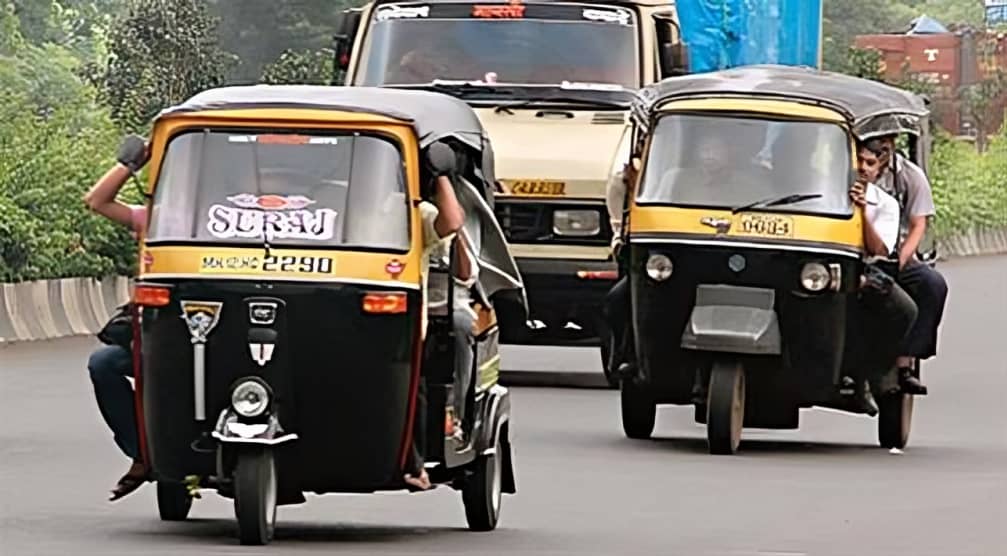

Maharashtra Transport Minister Pratap Sarnaik has emphasized the importance of auto rickshaw drivers learning Marathi, stating that it is necessary for them to effectively work and interact with passengers in the state. His remarks have brought renewed attention to a rule introduced in 2019, which requires drivers to have a basic understanding of the Marathi language.
According to the minister, the primary objective of this requirement is to improve communication between drivers and passengers. He noted that many commuters in Maharashtra, particularly in cities like Mumbai and Pune, are Marathi speaking, and language barriers can sometimes lead to misunderstandings or conflicts. By ensuring that drivers can communicate in Marathi, the government aims to provide a smoother and more efficient public transport experience.
The rule is part of broader efforts to enhance service standards in the transport sector. Authorities believe that clear communication is essential for addressing passenger needs, providing directions, and ensuring overall safety. The minister clarified that the policy is not new but has been in place for several years, and recent remarks were meant to reinforce its implementation.
The issue has sparked discussions among various sections of society. Supporters of the move argue that learning the local language is a reasonable expectation for those working in public facing roles. They believe that it helps in better integration and improves the quality of service provided to passengers.
On the other hand, some have raised concerns about the implications of such requirements. Critics argue that strict enforcement could create challenges for drivers who come from different linguistic backgrounds and may not have had the opportunity to learn Marathi. They emphasize the need for a balanced approach that encourages language learning without causing hardship.
Experts suggest that providing accessible language training programs could help address these concerns. By offering support and resources, the government can ensure that drivers are able to meet the requirements while continuing their livelihood. Such initiatives could also promote inclusivity and skill development.
The discussion also highlights the broader role of language in public services. In a diverse country like India, where multiple languages are spoken, finding a balance between regional identity and inclusivity is an ongoing challenge. Policies related to language often reflect efforts to preserve cultural identity while accommodating diversity.
Transport authorities have indicated that they will continue to monitor the situation and ensure that the implementation of the rule is carried out in a fair and practical manner. The focus remains on improving passenger experience while supporting drivers in meeting the requirements.
In conclusion, the emphasis on Marathi language knowledge for auto rickshaw drivers in Maharashtra reflects the importance of effective communication in public services. While the move aims to enhance passenger convenience, it also raises important questions about inclusivity and implementation. The outcome will depend on how well the policy is balanced with support measures for those affected.