Mahayuti Alliance Faces Fresh Political Tensions After MLC Election Setback as BJP and Shiv Sena Exchange Blame
Political tensions have increased within Maharashtra's ruling Mahayuti alliance following disappointing results in the Maharashtra Legislative Council elections. The setback has triggered a fresh exchange of allegations between the Bharatiya Janata Party and Shiv Sena, raising questions about coordination and unity within the coalition.
According to the available information, BJP leaders have expressed dissatisfaction with the role played by Shiv Sena during the election campaign. The BJP has reportedly accused sections of Shiv Sena of supporting rebel candidates and weakening the prospects of its nominees. These allegations have created fresh differences between the two alliance partners.
Shiv Sena leaders have rejected the criticism and presented a different explanation for the disappointing election performance. They have argued that the BJP has gradually lost touch with its traditional supporters and local voters. According to their position, the electoral setback cannot be attributed entirely to the actions of rebel candidates or disagreements within the alliance.
The disagreement has highlighted the challenges faced by coalition partners when contesting elections together. Although political parties may share power and cooperate at the state level, differences can emerge over candidate selection, campaign strategies, local leadership and constituency-level influence.
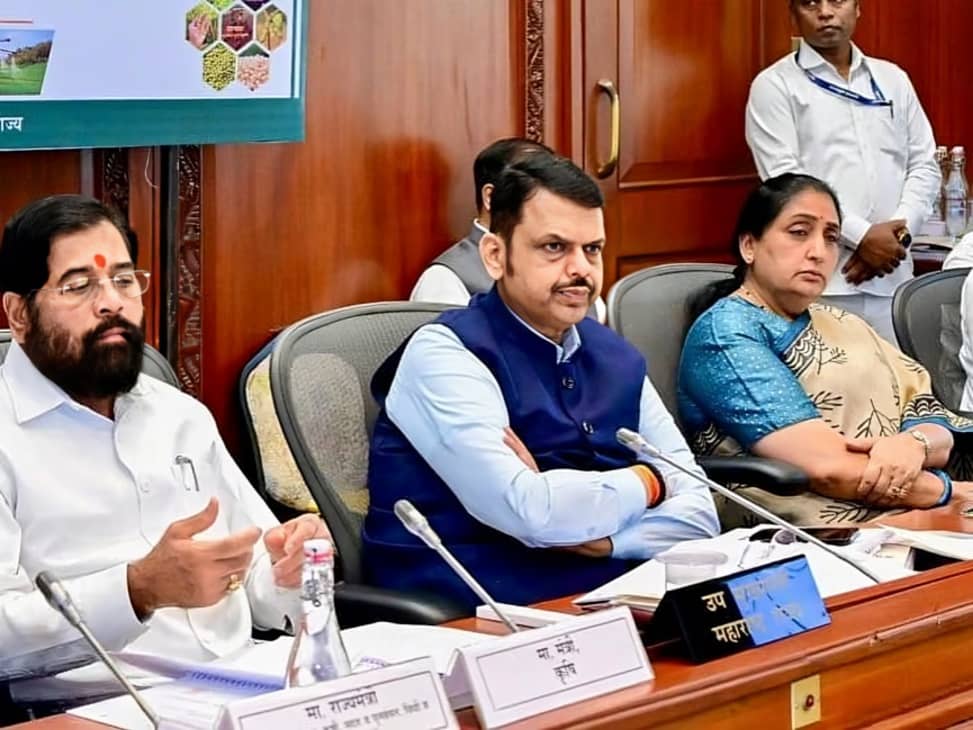
The Mahayuti alliance consists of the BJP, Shiv Sena led by Eknath Shinde and other political partners. The coalition plays a significant role in Maharashtra politics, and cooperation between its leading parties is important for maintaining political stability and electoral strength.
The latest MLC election results have reportedly exposed disagreements over campaign management and candidate support. Rebel candidates can create difficulties for political alliances because they may divide votes and affect the performance of officially nominated candidates. Such developments can become a source of tension when alliance partners believe that their political interests have been affected by the actions of others.
The BJP's reported allegations against Shiv Sena have therefore brought internal coordination issues into focus. The party is understood to be concerned about the impact of rebel activities on its candidates. However, Shiv Sena leaders have questioned this explanation and pointed to broader political challenges, including the BJP's relationship with voters and grassroots supporters.
The disagreement has also brought Eknath Shinde's leadership back into political discussions. Some Shiv Sena leaders have reportedly called for Shinde to return as Maharashtra Chief Minister following the election setback.
Shinde remains an important figure within the Shiv Sena faction that forms part of the Mahayuti alliance. His leadership and political influence have played a significant role in the party's position within Maharashtra's ruling coalition. Calls for his return as Chief Minister reflect discussions within sections of the party about leadership and its future political direction.
However, such demands do not automatically indicate an official decision or change in the state government's leadership. Any leadership-related development would depend on discussions among alliance partners and the political circumstances within the coalition.
The latest differences also raise questions about how the BJP and Shiv Sena will manage their working relationship in the coming period. Both parties have political interests that require coordination, particularly when making decisions about candidates, election campaigns and government administration.
Coalition politics often involves negotiations and compromises between participating parties. Differences over local leadership and electoral performance are not unusual, but unresolved disputes can affect public confidence and organisational cooperation.
For the Mahayuti alliance, maintaining communication between senior leaders and addressing concerns at the local level will be important. The parties may need to review their campaign strategies and examine the reasons behind the disappointing results before future electoral contests.
The BJP and Shiv Sena have significant political networks across Maharashtra. Their ability to work together remains an important factor in the alliance's future performance. At the same time, competition for political influence within the coalition can create disagreements over leadership roles and electoral responsibilities.
The latest MLC election setback has therefore become more than an electoral issue for the ruling alliance. It has exposed differences over candidate support, rebel activities and the relationship between party leadership and voters.
As political discussions continue, attention will remain on how the BJP and Shiv Sena leaders respond to the allegations and whether the alliance can resolve its internal differences. The demands raised by some Shiv Sena leaders regarding Eknath Shinde's return as Chief Minister may also remain part of the political debate.
The coming discussions within the Mahayuti alliance will be important in determining whether the partners can restore coordination and present a united political position in Maharashtra.