As Manipur grapples with prolonged unrest, political turmoil within the ruling National Democratic Alliance (NDA) has come under scrutiny. Opposition parties have pointed to the absence of several MLAs from a crucial meeting called by Chief Minister N. Biren Singh as evidence of growing cracks within the alliance.
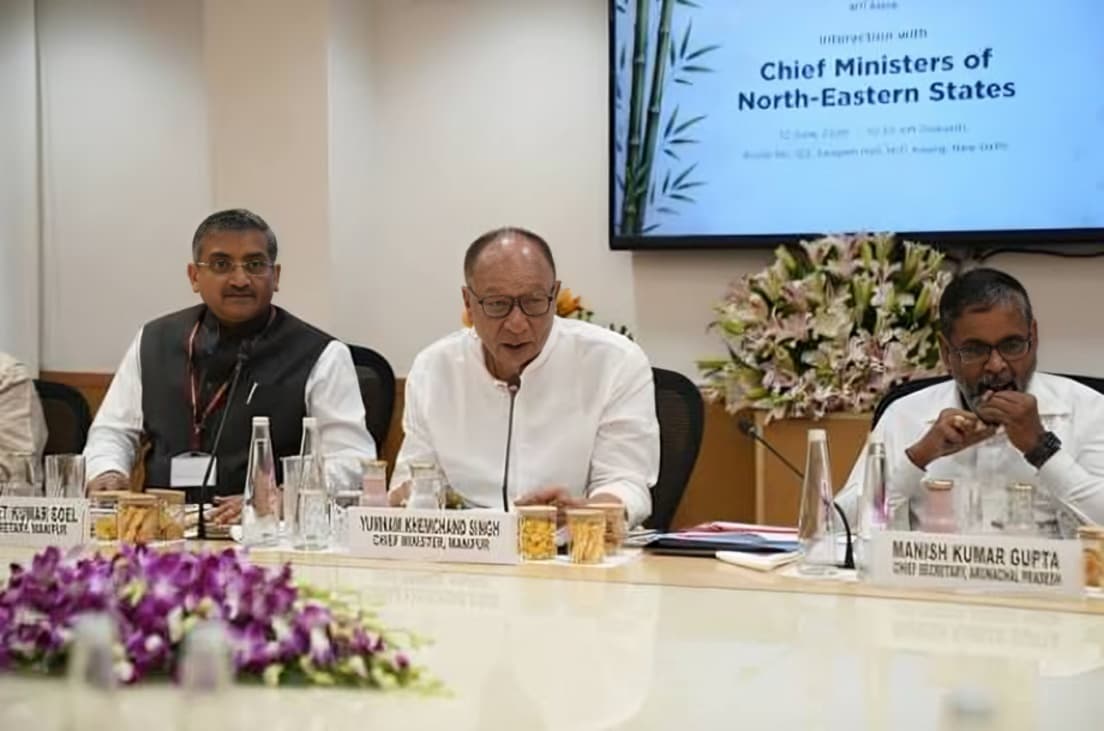
The meeting, convened to discuss measures for restoring peace and addressing the escalating tensions in the state, witnessed notable absentees, sparking speculation about dissent within the ruling coalition. The opposition alleged that the absences reflect a lack of unity and coordination in handling the crisis, which has already drawn significant national and international attention.
Chief Minister Biren Singh has refrained from commenting on the alleged no-shows, instead reiterating his government’s commitment to restoring peace in the region. However, political analysts note that the unrest has exposed vulnerabilities within the NDA in Manipur, potentially impacting its stability and governance effectiveness.
The opposition, meanwhile, has intensified its criticism, accusing the NDA of mismanagement and a delayed response to the crisis. They argue that internal discord is undermining the government’s ability to address the grievances of affected communities and ensure justice.
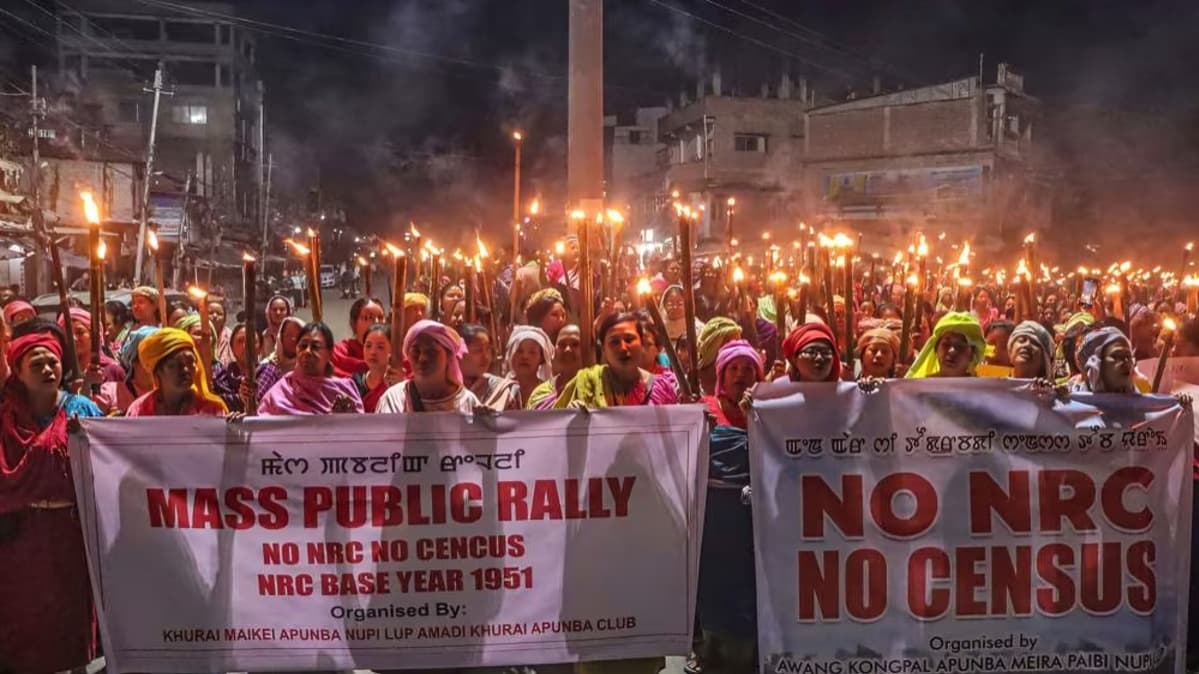
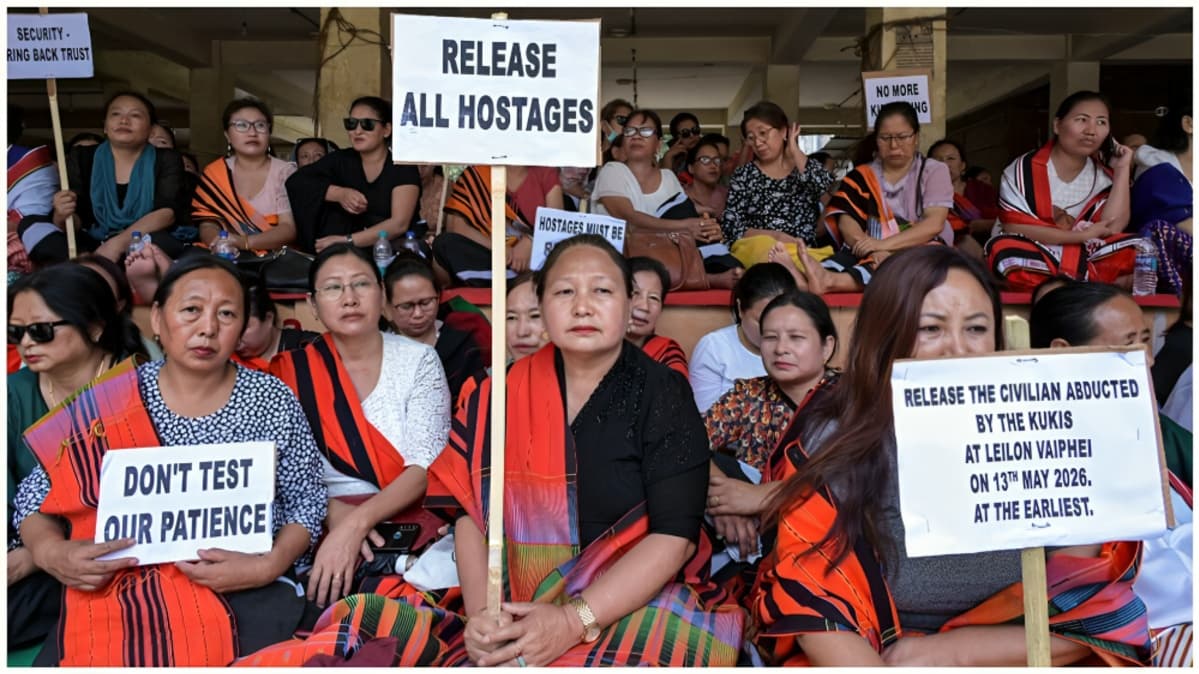
The political dynamics in Manipur have long been fraught with challenges, and the current unrest has only amplified them. As the situation unfolds, both the NDA and opposition parties will likely leverage these developments to shape their narratives ahead of upcoming electoral battles. For now, the priority remains finding a sustainable solution to the unrest, even as political rivalries simmer beneath the surface.