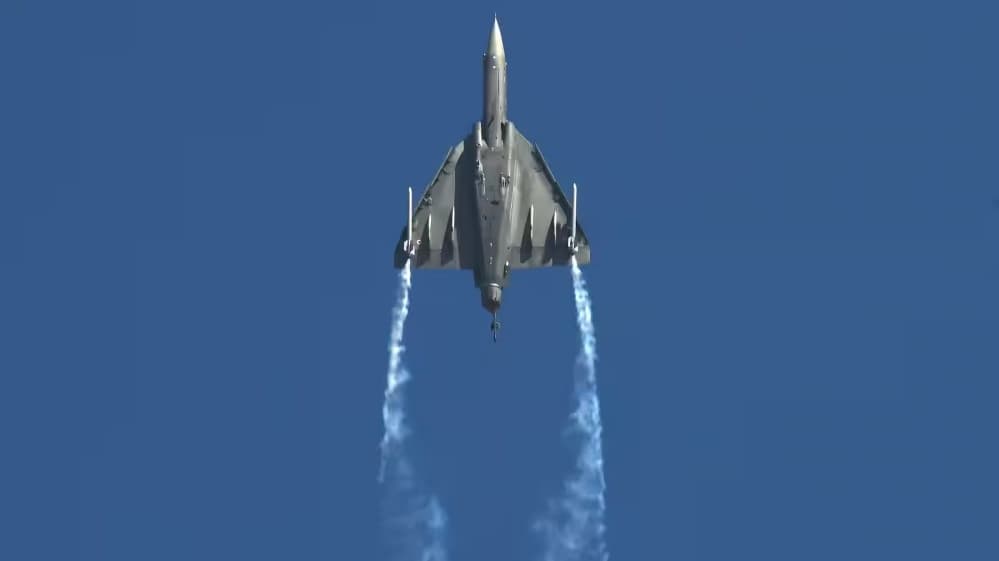
The Indian Armed Forces have successfully concluded the large-scale tri-service military exercise named ‘Exercise Trishul’ in Jaisalmer, Rajasthan, marking a significant milestone in India’s joint operational capabilities. The intensive training event, held in the desert sector, aimed at testing and improving coordination among the Army, Navy, and Air Force in conducting integrated operations under realistic combat conditions.
Conducted over several days, ‘Exercise Trishul’ focused on enhancing interoperability and synergy between the three branches of the Armed Forces. The drills simulated multi-domain warfare, including land, air, and maritime dimensions, to evaluate the effectiveness of joint strategies and rapid response mechanisms. The exercise took place in the strategically important western sector, which provides a challenging environment for assessing mobility, logistics, and combat readiness in desert terrain.
According to defence officials, the exercise involved participation from several key units of the Indian Army’s strike formations, Indian Air Force’s fighter and transport aircraft, and naval elements contributing to network-centric operations. Troops and commanders practiced coordinated offensive and defensive maneuvers, emphasizing information sharing, real-time surveillance, and integrated command structures.
Live-fire demonstrations formed one of the major highlights of the exercise. The Armed Forces carried out synchronized attacks involving tanks, artillery, helicopters, and fighter jets to validate precision targeting and combined arms coordination. Modern platforms and weapon systems were used to simulate battlefield scenarios that closely resembled real-world operational conditions. Senior officers from all three services reviewed the drills and appreciated the high level of professionalism displayed by the participating personnel.
A statement from the Ministry of Defence noted that ‘Exercise Trishul’ reflects India’s continuous focus on strengthening jointness among its Armed Forces. The government has been emphasizing the concept of “Theatre Commands” to ensure unified operations across different domains. Exercises such as Trishul are designed to prepare the forces for rapid deployment, integrated decision-making, and effective response to any threat scenario, whether conventional or asymmetric.
The Indian Air Force played a key role in providing air support, mobility, and logistics to ground operations, while the Army demonstrated rapid mechanized advances and precision artillery coordination. Naval elements contributed to communications and network integration, ensuring seamless operational connectivity between different branches. This level of coordination is considered crucial for India’s defense preparedness in a rapidly evolving global security environment.
Defence analysts observed that the exercise also served as a platform to evaluate indigenous defence technologies, including surveillance systems, electronic warfare capabilities, and advanced weapon platforms. It reaffirmed India’s commitment to developing a self-reliant and modern military infrastructure under the ‘Aatmanirbhar Bharat’ initiative.
As ‘Exercise Trishul’ concluded in Jaisalmer, senior commanders emphasized that such joint exercises strengthen the Armed Forces’ ability to act swiftly and decisively in any contingency. The event underscored India’s strategic vision of readiness, resilience, and unity of command across its military branches, further enhancing the nation’s security posture and operational confidence.