
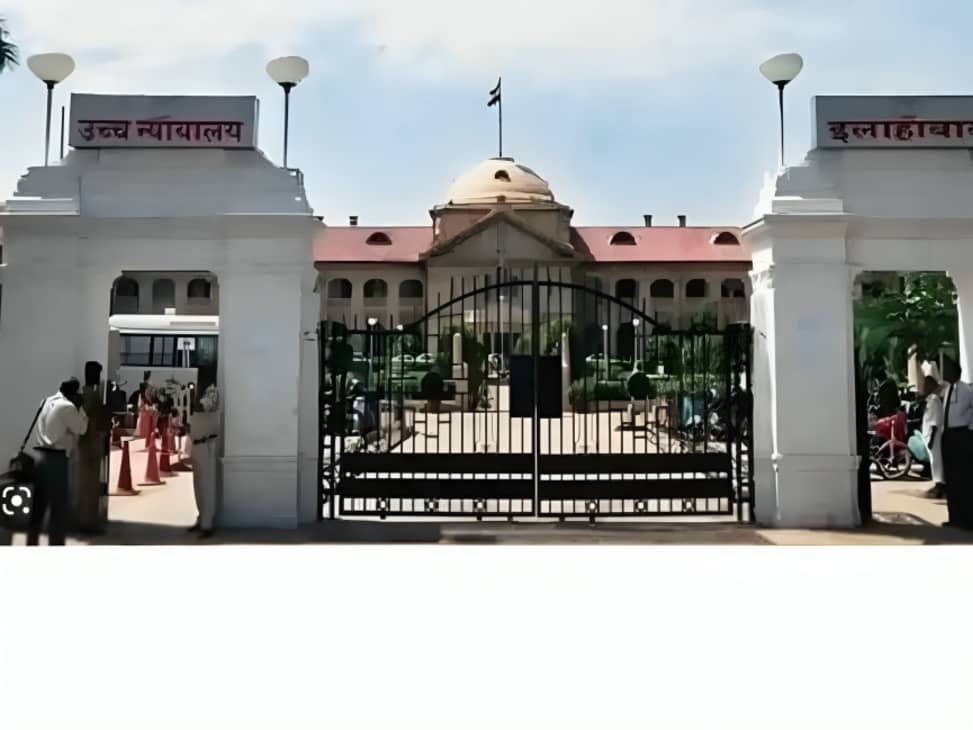
The Allahabad High Court has sought a comprehensive roadmap from the Uttar Pradesh government to address the problem of critically ill patients being transferred repeatedly from one hospital to another. The court has asked the state authorities to focus on strengthening medical facilities and improving coordination between healthcare institutions so that patients can receive timely treatment.
The court's direction comes against the backdrop of concerns over patients facing difficulties when hospitals are unable to provide the treatment or facilities required for serious medical conditions. Repeated referrals can result in delays in accessing specialised care, particularly when a patient requires immediate medical attention. The High Court has therefore called for a structured plan to improve the functioning and capabilities of medical institutions in the state.
A key part of the proposed roadmap is expected to involve newly established medical colleges. These institutions have been developed to expand access to medical education and healthcare services across Uttar Pradesh. However, the court has indicated the need to ensure that such institutions have adequate facilities and systems to handle patients who require treatment.
The issue of patient referrals is particularly important in emergency situations. When a critically ill patient is moved from one hospital to another, doctors and families may have to arrange transportation and admission at another facility. If the receiving hospital also lacks the required treatment capacity, another referral may become necessary. Such a process can consume valuable time and create additional difficulties for patients and their families.
The High Court has consequently sought a roadmap that addresses these concerns through better coordination among hospitals. The objective is to ensure that patients are not sent from one institution to another without a clear referral mechanism or without considering the availability of appropriate treatment at the receiving facility.
The proposed plan is expected to examine several aspects of the healthcare system, including emergency response mechanisms, ambulance arrangements, referral procedures and the availability of medical facilities. A coordinated system could help hospitals determine where a patient can receive the necessary treatment before the patient is transferred.
Another area of concern is the capacity of newly established medical colleges. Expanding the number of medical colleges can increase the availability of doctors and healthcare infrastructure, but hospitals attached to these institutions also need sufficient equipment, specialists and support services to treat patients effectively.
The court's intervention places emphasis on improving the practical functioning of these healthcare institutions. Rather than relying primarily on referrals, hospitals would need to develop adequate capabilities for managing patients within their own facilities wherever possible. Where specialised treatment is unavailable, referrals would need to be organised through a coordinated system.
The issue also highlights the importance of ambulance services in emergency healthcare. Even when a referral is medically necessary, the availability of a suitable ambulance and timely transportation can influence how quickly a patient reaches the next facility. A comprehensive healthcare roadmap could therefore include mechanisms for ensuring that emergency transportation is available when required.
Hospital-to-hospital coordination is another important element of the issue. A referral system can work more efficiently when the referring hospital communicates the patient's medical condition and treatment requirements to the receiving institution. This can help the receiving hospital prepare for the patient's arrival and determine whether it has the necessary facilities.
The High Court's direction also raises questions about the distribution of medical facilities across Uttar Pradesh. Newly established medical colleges are intended to expand healthcare access beyond major urban centres. Strengthening these institutions could reduce the need for patients to travel long distances to established tertiary hospitals for treatment that could potentially be provided locally.
However, not every medical condition can be treated at every hospital. Some critically ill patients may require highly specialised treatment that is available only at designated tertiary or specialist centres. The objective of a coordinated referral system would therefore not necessarily be to eliminate referrals, but to reduce unnecessary transfers and ensure that medically necessary referrals are handled efficiently.
The court has sought a detailed plan from the Uttar Pradesh government rather than limiting the issue to individual hospitals. This indicates that coordination between different levels of healthcare facilities is an important part of the matter. The state government will need to consider how government hospitals, medical colleges, emergency services and referral centres can work together.
The concerns raised by the court are also relevant to patients and their families because repeated hospital transfers can increase financial and logistical difficulties. Families may have to arrange transportation, documentation and admission at multiple facilities while dealing with an emergency. A more coordinated system could reduce some of these difficulties.
The proposed roadmap is expected to provide a framework for improving accountability and coordination across healthcare facilities. Clear referral protocols could help establish which hospitals should handle particular categories of medical emergencies and when patients should be transferred to higher-level facilities.
The development also places attention on the need for adequate staffing and medical infrastructure at newly established colleges. Buildings and institutional facilities alone may not be sufficient if hospitals do not have the required doctors, specialists, equipment, medicines and emergency support systems.
The Allahabad High Court's direction therefore focuses on improving the healthcare delivery system rather than simply increasing the number of medical institutions. The availability of treatment, emergency preparedness and coordination between hospitals are all relevant to ensuring that patients receive timely medical attention.
The state government's roadmap is expected to address these operational issues and provide a framework for strengthening healthcare services. The court's intervention highlights the need for patients requiring urgent treatment to receive care through an organised system rather than facing repeated referrals caused by gaps in hospital capacity or coordination.
The matter is significant for Uttar Pradesh because the state has been expanding its network of medical colleges and healthcare institutions. Ensuring that these facilities are equipped to provide appropriate treatment is an important part of making the expanded healthcare infrastructure effective.
The central issue before the court is the need to prevent critically ill patients from being unnecessarily moved between hospitals. At the same time, patients who genuinely require specialised treatment will continue to need referrals. The proposed roadmap is therefore expected to focus on making such referrals medically appropriate, coordinated and timely.
The High Court's latest direction places the responsibility on the Uttar Pradesh government to formulate a structured response. The details of the roadmap, including specific timelines and implementation measures, will determine how the state addresses the concerns raised by the court.
For patients and their families, the broader objective is to ensure that emergency treatment is accessible without avoidable administrative or logistical delays. Strengthening newly established medical colleges, improving referral systems and coordinating ambulance and emergency services could form important parts of the state's response.
The development represents another judicial focus on the functioning of public healthcare infrastructure in Uttar Pradesh. The court's request for a comprehensive roadmap provides the state government an opportunity to examine gaps in medical facilities and establish a more coordinated system for treating and transferring patients.