
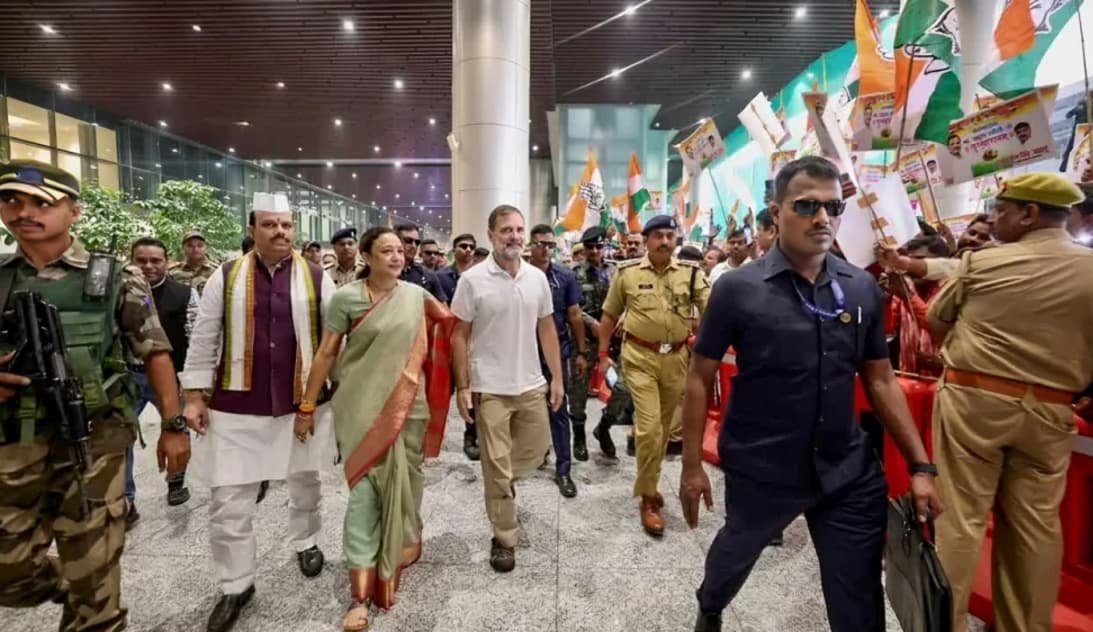
A court in Sultanpur, Uttar Pradesh, has acquitted Congress leader Rahul Gandhi in a criminal defamation case filed in 2018 over alleged remarks about Amit Shah, the then president of the Bharatiya Janata Party. The court's decision marks a significant development in the long-running legal dispute, which originated from comments attributed to Gandhi during the 2018 Karnataka Assembly election campaign.
The complaint was filed by BJP leader Vijay Mishra, who alleged that Gandhi had made objectionable remarks about Amit Shah that harmed his reputation. The case subsequently proceeded through the judicial system, drawing political attention because it involved two prominent figures in Indian politics.
Background of the Defamation Case
The case dates back to the 2018 Karnataka Assembly election campaign, when Gandhi reportedly made comments concerning Shah during a public address. At the time, Shah was serving as the BJP's national president. The remarks became the subject of a criminal defamation complaint filed in Sultanpur.
Vijay Mishra alleged that Gandhi's statements were defamatory and sought legal action against him. The complaint was examined under the applicable criminal defamation provisions. Gandhi subsequently appeared before the court as part of the proceedings and contested the allegations.
Criminal defamation cases involving political leaders often raise questions about the context of public statements, their intended meaning and whether they meet the legal requirements for defamation. The court must consider the complaint and the evidence presented before reaching a decision.
Court Delivers Its Verdict
The Sultanpur court eventually delivered its verdict, acquitting Gandhi in the case. The decision concluded the proceedings at the trial court level, although any further legal steps would depend on the applicable law and the decisions of the parties involved.
The ruling relates specifically to the complaint concerning Gandhi's alleged remarks about Shah in 2018. It should not be interpreted as a decision in any other legal matter involving either political leader.
The case had remained in the public eye because of its political significance and the length of time taken for the proceedings. The verdict has renewed discussion about the relationship between political speech, public criticism and criminal defamation law in India.
Rahul Gandhi's Convoy Involved in a Road Accident
Separately, vehicles in Rahul Gandhi's convoy were reportedly involved in a collision on a highway in Uttar Pradesh while he was travelling to Sultanpur for the court proceedings. The road incident occurred shortly before the court's decision became known, bringing additional attention to the day's developments.
Details about the circumstances of the collision, the number of vehicles involved and whether anyone was injured should be confirmed through reliable official information. The cause of the incident should not be assumed without an investigation or an authoritative statement.
The convoy incident and the court verdict are separate developments. The collision concerns road safety and the circumstances of Gandhi's journey, while the verdict concerns the legal complaint filed over his alleged remarks about Shah.
Political and Legal Significance
The case highlights the legal challenges that can arise from statements made during election campaigns. Political leaders frequently make critical remarks about opponents, but such statements can lead to legal action when a complainant believes that the comments have damaged someone's reputation.
Under Indian law, a criminal defamation complaint must be assessed according to the relevant legal provisions and the facts established during the proceedings. The court's decision in this case reflects the outcome of the specific complaint brought before it.
The acquittal is an important development for Gandhi and the Congress party, while also closing a significant stage of the legal dispute initiated in 2018. Any appeal or further proceedings, if pursued, would depend on the legal options available to the complainant.
The case also demonstrates why court decisions should be reported with precision. An acquittal in one case does not automatically determine the outcome of unrelated proceedings, and allegations made in a complaint should not be presented as proven facts.
Conclusion
The Sultanpur court's decision to acquit Rahul Gandhi in the 2018 defamation case over alleged remarks about Amit Shah brings a lengthy legal dispute to a conclusion at the trial court level. The case originated from comments attributed to Gandhi during the Karnataka Assembly election campaign and was pursued through a complaint filed by BJP leader Vijay Mishra.
The separate collision involving vehicles in Gandhi's convoy on a highway in Uttar Pradesh also attracted attention on the day of the verdict. Both developments should be understood independently, with details of the legal order and the road incident verified before publication.