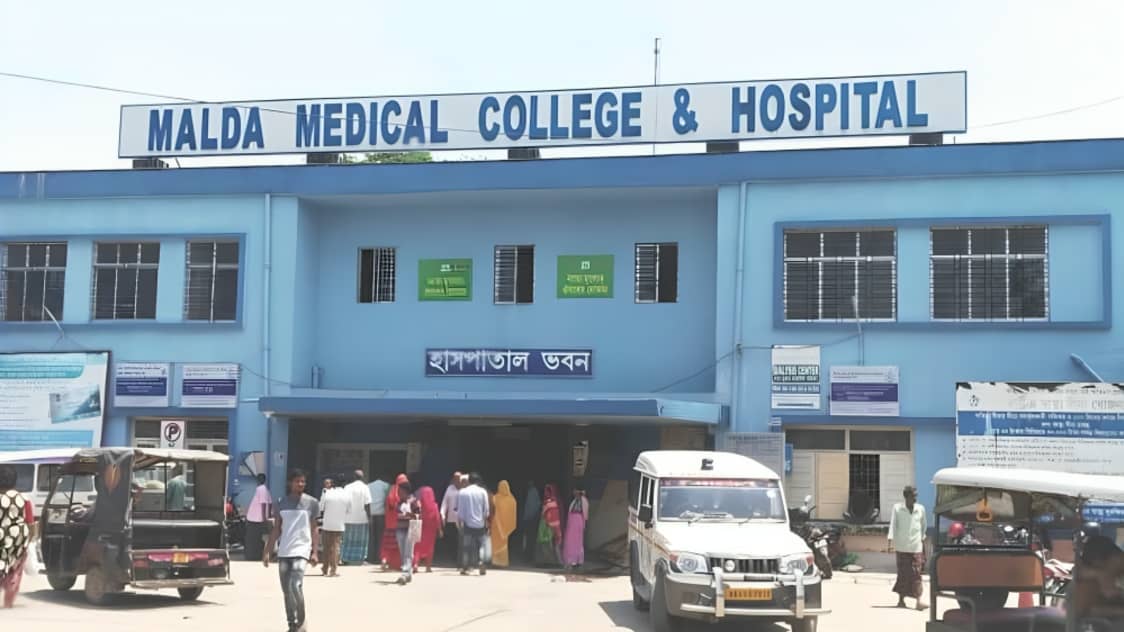
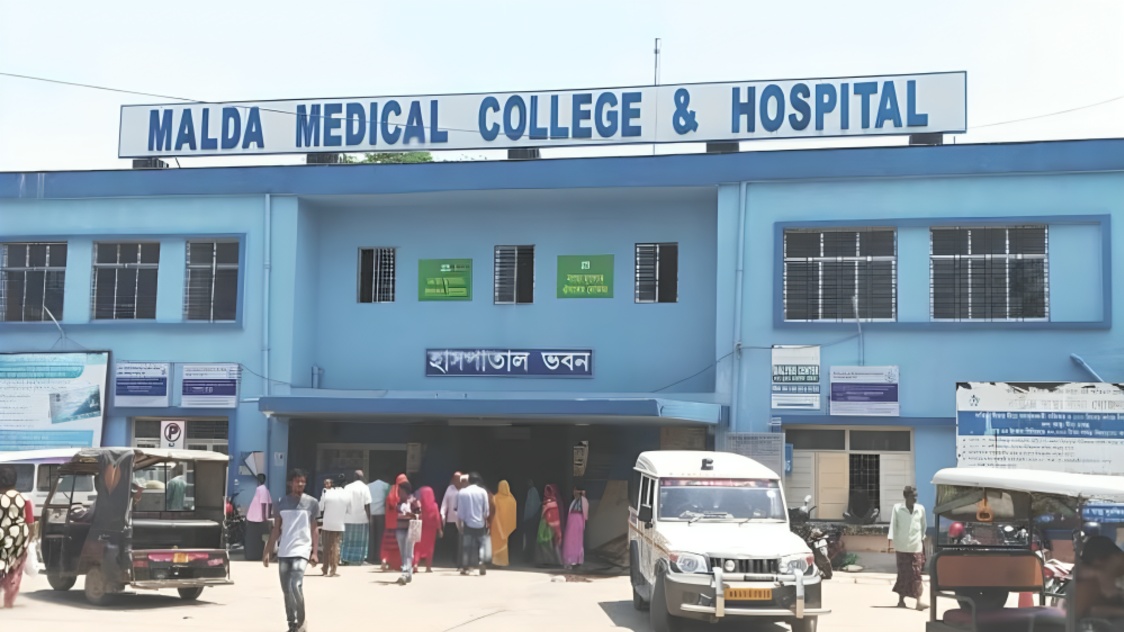
Malda Medical College and Hospital in West Bengal has come under scrutiny following reports of a high number of newborn deaths during August 2026. According to reports, 60 children died at the hospital during the first three weeks of August, prompting the West Bengal Health Department to seek a detailed report from the hospital authorities.
The issue gained wider attention after 10 newborns reportedly died at the medical college hospital on a single day during the second week of August. The deaths have raised questions about the condition of the infants when they arrived at the hospital, the treatment provided and the functioning of the referral system in the surrounding areas.
Hospital authorities have stated that eight of the 10 newborns who died on that day had been referred from other government hospitals or private nursing homes. They were reportedly brought to Malda Medical College in critical condition. The remaining two infants were born at the medical college hospital itself.
According to the hospital authorities, the infants had suffered from different medical complications. These reportedly included respiratory distress, jaundice, heart related conditions, low birth weight and asphyxia. The exact contribution of each condition to the deaths will need to be established through medical records and the official review.
Malda Medical College and Hospital is a major medical facility serving patients from Malda and surrounding areas. As a referral centre, it receives patients transferred from smaller hospitals, health centres and private nursing homes when their medical conditions become serious.
The large number of referrals has become an important part of the discussion surrounding the recent deaths. The health authorities are examining whether the infants were referred at an appropriate stage and whether they received adequate treatment before being transferred to the medical college hospital.
The West Bengal Health Department has asked the hospital administration to submit a detailed report. A preliminary report has already been submitted, while a comprehensive report is being prepared, according to hospital authorities.
The purpose of the report is to establish the circumstances surrounding the deaths and determine whether there were any shortcomings in treatment, referral procedures or hospital management. At this stage, the deaths should not automatically be attributed to any particular cause until the official review is completed.
The health department is also examining healthcare facilities from which some of the infants were referred. Reports indicate that authorities have begun reviewing private hospitals, nursing homes and other healthcare facilities connected with the referral chain.
This wider review is significant because newborn patients can require immediate specialised medical care when they experience breathing difficulties, severe jaundice, low birth weight, congenital conditions or other complications. Delays in identifying serious conditions or transferring critically ill infants can increase medical risks.
The recent deaths have therefore raised broader questions about neonatal healthcare capacity in the region. These include the availability of specialised newborn care, trained medical staff, emergency facilities, equipment and timely referral arrangements.
However, it is important to distinguish between the reported number of deaths and any conclusion about their causes. A high number of deaths at a referral hospital does not by itself establish that the hospital was responsible for those deaths. Many critically ill newborns may arrive after being treated elsewhere and may already be in serious condition.
Hospital authorities have highlighted this aspect in their response. The medical superintendent has said that most of the newborns who died in the single-day incident had been brought from outside facilities in critical condition.
The health department's investigation is therefore expected to examine the complete treatment history of the affected infants. This could include their medical condition at birth, the facilities where they initially received treatment, the timing of referral, the treatment provided before transfer and their condition when they reached Malda Medical College.
The review could also examine whether there were adequate facilities at the referring hospitals and whether patients were transferred to the medical college hospital at the appropriate time.
The incident has drawn attention because of the concentration of deaths within a short period. Ten newborn deaths on a single day have prompted officials to seek additional information from the hospital administration. The larger figure of 60 deaths during the first three weeks of August has further increased public concern.
The West Bengal government is expected to assess the findings before deciding whether additional measures are necessary. If the investigation identifies gaps in treatment or referral procedures, authorities may consider corrective steps involving hospital infrastructure, staffing, emergency care and monitoring systems.
The case also highlights the importance of maintaining accurate medical records. Detailed documentation can help investigators understand the medical conditions of the infants and determine whether the treatment and referral decisions were appropriate.
For families of newborns receiving treatment in government hospitals, the incident is likely to increase concerns about the availability and quality of emergency neonatal care. Government authorities will therefore need to ensure that the investigation is transparent and that any identified shortcomings are addressed.
At present, there is no official finding establishing a single cause for the reported deaths. The health department's detailed review is expected to provide more information about the circumstances.
The issue has also renewed attention on the healthcare network surrounding major government medical colleges. Referral hospitals often receive the most serious cases from smaller facilities. A strong referral system is therefore essential to ensure that critically ill newborns reach specialised care without unnecessary delays.
The investigation into Malda Medical College could help authorities identify whether the current referral system is functioning effectively and whether smaller hospitals and nursing homes have adequate facilities to manage newborn emergencies.
The health department's action also indicates that the government is taking the reported deaths seriously. The detailed report will be important in determining whether the deaths reflect the severity of the medical conditions among referred infants or whether there were systemic issues that require corrective action.
The hospital administration has acknowledged the deaths and indicated that a comprehensive report will be submitted to the state health authorities. Until that process is completed, conclusions regarding negligence or systemic failure should be avoided.
The incident is also a reminder of the challenges involved in providing specialised neonatal care in regions where large government hospitals serve as referral centres for multiple surrounding areas. Ensuring adequate staff, equipment, medicines and emergency facilities remains important for managing critically ill newborns.
The West Bengal Health Department's review will therefore be closely watched. The findings could determine whether changes are needed at Malda Medical College and at the healthcare facilities referring newborn patients to the institution.
For now, the key development is that 60 newborn deaths were reported at Malda Medical College during the first three weeks of August, including 10 deaths on a single day. Eight of those 10 infants had reportedly been referred from other facilities in critical condition.
The state health department has sought a detailed report, while the hospital administration has submitted a preliminary report and is preparing further information.
The final findings will be important to establish the circumstances surrounding the deaths and determine whether any gaps existed in treatment, referral or hospital management.
The case remains under review, and further conclusions should be based on the official investigation rather than speculation.