New Delhi, November 23, 2026
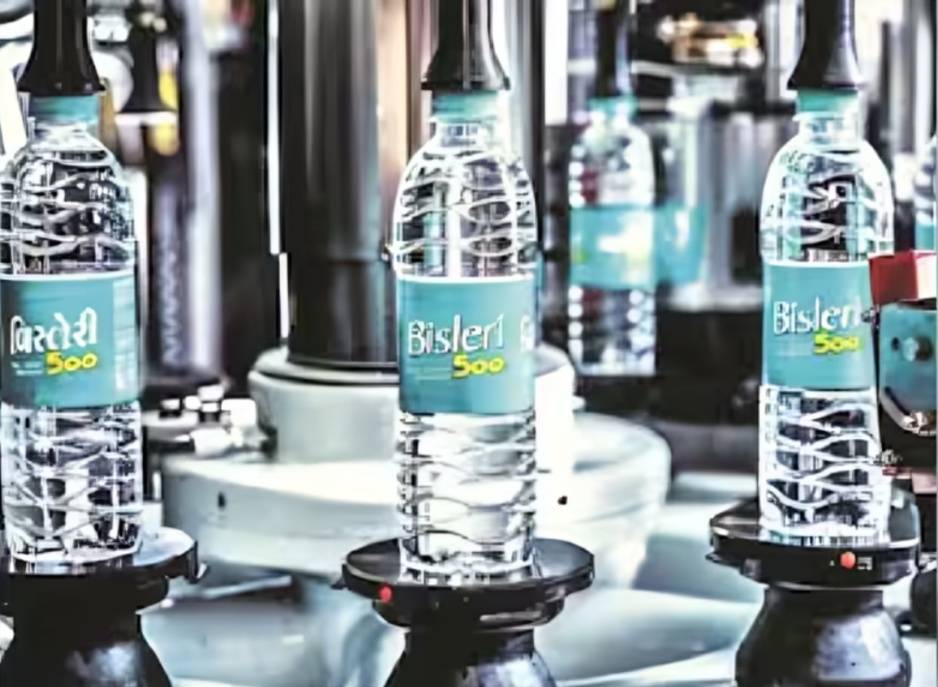
The Indian government is preparing to conduct nationwide safety checks of packaged drinking water brands following a controversy involving Bisleri International and the Food Safety and Standards Authority of India.
According to government sources cited by Reuters, the proposed inspection exercise comes after a sample of Bisleri packaged drinking water was initially declared unsafe during regulatory testing.
The finding prompted the food safety regulator to authorise prosecution against the company. The regulator also recalled certain batches of packaged drinking water that had been identified as unsafe.
However, subsequent testing reportedly found Bisleri samples compliant with applicable food safety standards, creating questions about the initial findings and the regulatory action.
The government is now planning broader inspections of packaged drinking water brands across India, with the objective of examining product safety and compliance with established standards.
Nationwide Inspections of Packaged Drinking Water Brands
The proposed nationwide testing programme is expected to cover packaged drinking water brands operating in different parts of India.
The initiative follows concerns arising from the Bisleri testing controversy and reflects the importance of maintaining consistent safety standards across the packaged water industry.
Packaged drinking water is widely consumed in India, particularly in urban areas, commercial establishments, transportation facilities and locations where consumers prefer sealed drinking water.
Ensuring the quality of these products is important because drinking water intended for human consumption must meet applicable safety requirements.
The proposed inspections could provide regulators with additional information about compliance among manufacturers and distributors.
However, the supplied report does not specify the number of brands to be tested, the locations selected for inspection or the timetable for completing the nationwide exercise.
Those details will require confirmation through official government announcements.
Bisleri Sample Initially Declared Unsafe
The controversy began after a sample of packaged drinking water associated with Bisleri was reportedly found unsafe during regulatory testing.
According to the report, the initial finding led the Food Safety and Standards Authority of India to authorise prosecution against Bisleri International.
Food safety regulators have the responsibility to examine whether products sold to consumers comply with applicable safety standards.
When testing identifies a possible violation, authorities may initiate regulatory or legal action depending on the nature of the finding and the relevant legal provisions.
In this case, the initial test result prompted action against the company.
However, the supplied information does not identify the exact contaminant, parameter or technical issue responsible for the unsafe classification.
It also does not specify the testing laboratory, sample collection date or particular product batch involved in the initial finding.
These details are important for understanding the nature and extent of the reported safety concern.
Subsequent Tests Found Samples Compliant
A significant development in the controversy emerged when subsequent testing reportedly found Bisleri samples compliant with food safety regulations.
Government sources informed Reuters that later test results did not establish the same safety concerns identified during the initial examination.
This development introduced a distinction between the original finding and the results obtained through subsequent testing.
Different test results can raise questions about sampling conditions, laboratory procedures, product batches and the parameters examined.
However, the supplied report does not explain why the results differed.
It is therefore not possible to conclude from the available information whether the discrepancy resulted from differences in the samples, testing procedures or other circumstances.
The subsequent compliant results are relevant to understanding the controversy, but they should not automatically be interpreted as proving that the earlier findings were invalid.
Similarly, the initial unsafe result should not be presented as evidence that all Bisleri products were unsafe.
The findings must be understood in relation to the specific samples and batches tested.
Regulator Recalled Affected Water Batches
The report also states that the food safety regulator recalled certain batches of Bisleri packaged drinking water that had been identified as unsafe.
A product recall is a regulatory or commercial measure intended to remove potentially unsafe products from circulation.
Such action can be taken when authorities identify concerns that may affect consumer safety.
Recalls may involve particular batches, manufacturing periods or distribution locations, depending on the circumstances.
In the Bisleri case, the supplied information indicates that affected batches were recalled following the initial safety findings.
However, the batch numbers, manufacturing dates, distribution locations and quantities involved have not been provided.
The report also does not establish whether the recall has been completed or whether any restrictions remain in force.
Consumers should therefore rely on verified regulatory notices and official company communications for information about any specific recalled products.
Role of FSSAI in Food and Water Safety
The Food Safety and Standards Authority of India is India's national food safety regulator.
The authority is responsible for establishing food safety standards and supporting their implementation under the country's food safety framework.
Packaged drinking water is subject to regulatory requirements intended to protect consumers from unsafe products.
These requirements address matters such as product quality, manufacturing practices, hygiene and compliance with applicable standards.
Testing and inspection are important tools used to identify potential violations.
When authorities discover non-compliance, appropriate action may be taken in accordance with the relevant legal procedures.
The Bisleri controversy highlights the importance of accurate testing, transparent regulatory decisions and clear communication of findings.
It also demonstrates why follow-up testing and proper documentation can be important when results are disputed.
Why Packaged Drinking Water Quality Matters
Packaged drinking water has become a common consumer product in India.
People purchase bottled water during travel, at public events, in workplaces, at hotels and in other locations where access to drinking water may be limited or uncertain.
Consumers generally expect packaged water sold by established brands to meet prescribed safety standards.
Water quality problems can arise from several factors, including inadequate treatment, contamination during processing, poor storage conditions or improper handling.
For this reason, maintaining hygiene throughout manufacturing, packaging, transportation and distribution is important.
Regular quality checks can help identify potential problems before they affect a larger number of consumers.
The proposed nationwide inspections may also encourage manufacturers to review their internal quality assurance procedures.
However, the available report does not indicate that widespread contamination has been discovered across the packaged drinking water industry.
The decision to conduct broader checks should therefore be described as a regulatory response rather than evidence that all packaged water brands present a safety risk.
Possible Impact on Packaged Water Manufacturers
The proposed nationwide testing exercise could increase regulatory attention on companies manufacturing and distributing packaged drinking water.
Manufacturers may need to ensure that their products meet the applicable requirements and that testing records are properly maintained.
Quality assurance procedures are especially important for companies operating multiple manufacturing and distribution facilities.
Consistent compliance can help maintain consumer confidence and reduce the likelihood of regulatory disputes.
The Bisleri controversy may also draw attention to the importance of traceability, which allows companies and regulators to identify specific production batches when concerns arise.
Clear identification of affected products can help ensure that any necessary corrective action is appropriately targeted.
Nevertheless, no additional enforcement measures against other packaged drinking water brands have been confirmed in the supplied information.
Consumer Confidence and Regulatory Transparency
The differing test results reported in the Bisleri case may raise questions among consumers about how packaged drinking water is tested and how regulatory decisions are communicated.
Transparent reporting of safety findings can help the public understand the nature of identified risks.
Information about the tested product, affected batch, relevant safety parameter and subsequent regulatory action is particularly useful.
Clear communication is also important when follow-up testing produces results different from an earlier examination.
Regulators and manufacturers have separate responsibilities in ensuring that consumers receive accurate information.
Authorities must evaluate evidence according to applicable procedures, while manufacturers are responsible for complying with product safety requirements.
The controversy demonstrates the importance of balancing consumer protection with fair and evidence-based regulatory processes.
Government's Next Steps Awaited
The proposed nationwide testing programme represents a broader response to the concerns raised by the Bisleri case.
According to the information attributed to government sources, the exercise will examine packaged drinking water brands across India.
However, the government has not provided a detailed implementation schedule in the supplied report.
It is also unclear whether the nationwide exercise will involve additional laboratory testing, factory inspections, retail sampling or a combination of these methods.
Further official announcements will be needed to establish the scope and procedures of the initiative.
The final outcome of the regulatory proceedings involving Bisleri International also remains unclear from the available information.
Focus on Consumer Safety
The reported decision to expand packaged drinking water testing has placed renewed attention on product safety and regulatory oversight in India.
The Bisleri controversy involved an initial unsafe sample finding, regulatory action, the recall of affected batches and subsequent test results reportedly showing compliance with food safety standards.
These developments underline the importance of examining individual test results carefully and avoiding broad conclusions about products that have not been identified as unsafe.
As the government prepares for nationwide checks, consumers and manufacturers will be watching for further clarification about the testing process and its findings.
The outcome of the proposed inspections could provide a clearer picture of compliance within India's packaged drinking water sector and help guide future regulatory action.