
The Aam Aadmi Party has criticised the Union Government's implementation of E20 ethanol blended petrol, using a social media campaign to question its impact on consumers. The party shared a graphic designed as a mock fuel station receipt to express its concerns over fuel pricing, vehicle performance and consumer awareness regarding the ethanol blending programme.
The graphic, labelled as an "E20 Premium Receipt," claimed that the fuel consisted of 80 percent petrol and 20 percent ethanol. It also included statements suggesting that consumers continue to pay the full retail price for fuel despite what the party described as reduced mileage and the possibility of higher vehicle maintenance costs. The image further alleged that customers had little choice regarding the fuel and were not adequately informed about its terms and implications.
Through the campaign, the Aam Aadmi Party argued that motorists should receive greater transparency about ethanol blended fuel, including information about its composition, expected fuel efficiency and compatibility with different vehicle models. The party questioned whether consumers were receiving sufficient information before purchasing E20 fuel.
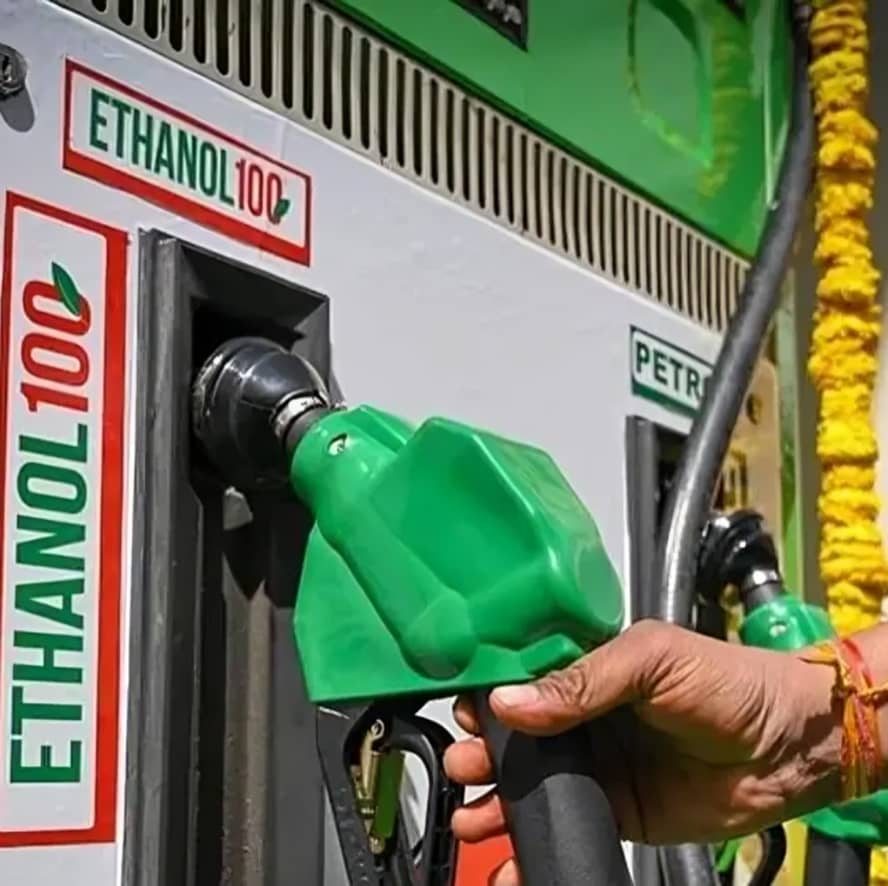
The Centre has promoted ethanol blending as part of its broader energy policy aimed at reducing dependence on imported crude oil, lowering carbon emissions and supporting domestic agricultural production. The ethanol blending programme has been introduced in phases across the country, with E20 fuel becoming available at an increasing number of fuel stations.
According to the government, the use of ethanol blended fuel is expected to improve India's energy security while providing additional income opportunities for farmers through increased demand for agricultural feedstocks used in ethanol production. Officials have also stated that automobile manufacturers have been preparing vehicles compatible with higher ethanol blends as part of the transition.
The debate surrounding E20 fuel has generated discussions among policymakers, industry experts and automobile manufacturers. While supporters of the programme highlight its environmental and economic benefits, some experts have pointed out that fuel efficiency, engine compatibility and long term maintenance may vary depending on the vehicle model and manufacturer specifications.
Vehicle manufacturers have generally advised consumers to refer to their owner's manuals or authorised dealers to determine whether their vehicles are designed to operate with E20 fuel. Newer vehicles are increasingly being developed to support higher ethanol blends, while compatibility for older vehicles may differ.
The latest criticism by the Aam Aadmi Party reflects the continuing political debate over fuel policies and consumer welfare. The party has called for greater transparency in fuel pricing and clearer communication regarding ethanol blended petrol, while questioning the financial impact on vehicle owners.
The Union Government has maintained that the ethanol blending programme is an important step towards cleaner energy, reduced fuel imports and long term sustainability. Officials have stated that the transition is being implemented in a phased manner and in consultation with stakeholders from the automobile, oil and agricultural sectors.
As discussions continue, the rollout of E20 fuel remains a significant policy initiative, with political parties presenting differing views on its economic, environmental and consumer impact. Future developments are expected to depend on implementation, public response and continued evaluation of the programme's effectiveness.