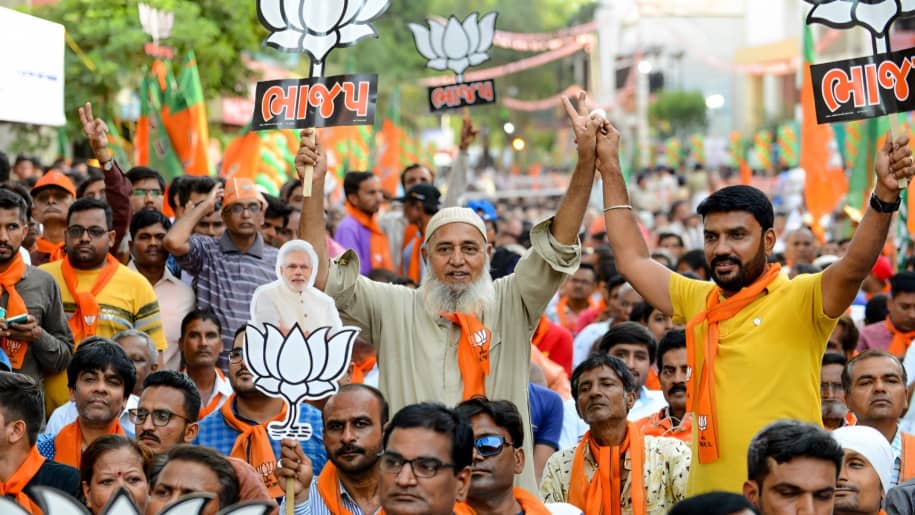
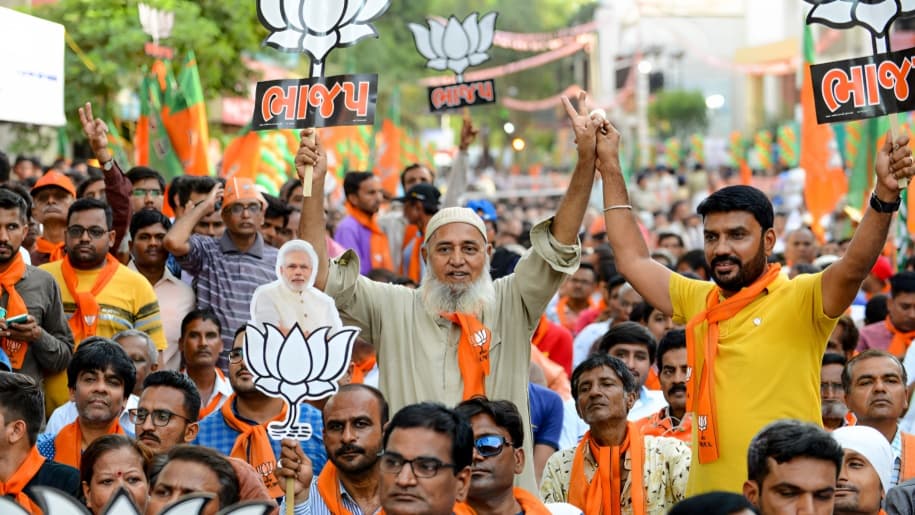
The Bihar Assembly elections have revealed a diverse electoral pattern, with the National Democratic Alliance (NDA) emerging victorious in the five constituencies with the highest winning margins. These decisive wins highlight the alliance’s strong organizational presence, campaign strategies, and voter loyalty in specific regions. Constituencies with large winning margins provide insight into areas where the NDA enjoys considerable support, reflecting both regional development initiatives and party outreach effectiveness.
Among the highest-margin victories, analysts point to factors such as candidate popularity, effective voter mobilization, and local governance performance as key contributors. These results demonstrate the NDA’s ability to consolidate its base in certain constituencies, ensuring a clear advantage over opposition parties. The sizeable margins also emphasize the importance of party machinery, grassroots campaigning, and public perception in shaping electoral outcomes.
However, not all constituencies followed this pattern. Several seats recorded the lowest winning margins, indicating highly competitive races with razor-thin differences between candidates. These tight contests were influenced by factors such as local issues, caste dynamics, voter turnout, and the presence of strong independent candidates. The close results suggest that while the NDA holds significant influence in some regions, opposition parties and local leaders continue to play an important role in shaping the state’s political landscape.
Political observers note that the mix of high-margin victories and narrow wins reflects the complexity of Bihar’s electoral environment. The state’s electorate is influenced by a combination of regional loyalties, socio-economic factors, and party performance at both state and constituency levels. Parties that adapt quickly to local issues and maintain strong voter engagement are more likely to secure competitive advantages, particularly in closely contested seats.
The Bihar election results also underscore the importance of strategy and coalition-building. While the NDA dominated in certain strongholds, other constituencies were decided by the slenderest of margins, highlighting the potential for electoral volatility in future elections. Analysts suggest that opposition parties can capitalize on these narrow-margin constituencies by addressing local grievances, enhancing voter outreach, and fielding candidates with strong local connections.
Overall, the Bihar polls present a nuanced picture: while the NDA demonstrated clear dominance in several areas, a significant number of constituencies remain highly competitive. This pattern indicates a complex political landscape where alliances, candidate credibility, and local issues play a decisive role. Voter behavior in both high-margin and close-margin constituencies provides insights into regional preferences and the evolving dynamics of state politics.
The outcome of the Bihar Assembly elections reinforces the need for parties to maintain continuous engagement with constituents, focus on development initiatives, and address region-specific challenges to sustain or expand their influence. The blend of sweeping victories and narrow wins reflects both the strengths and challenges facing political parties in the state’s vibrant democracy.