Imran Masood Denies ‘Free Kashmir’ Slogans at Jamia Protest, Questions Attempts to Divert Student Movement
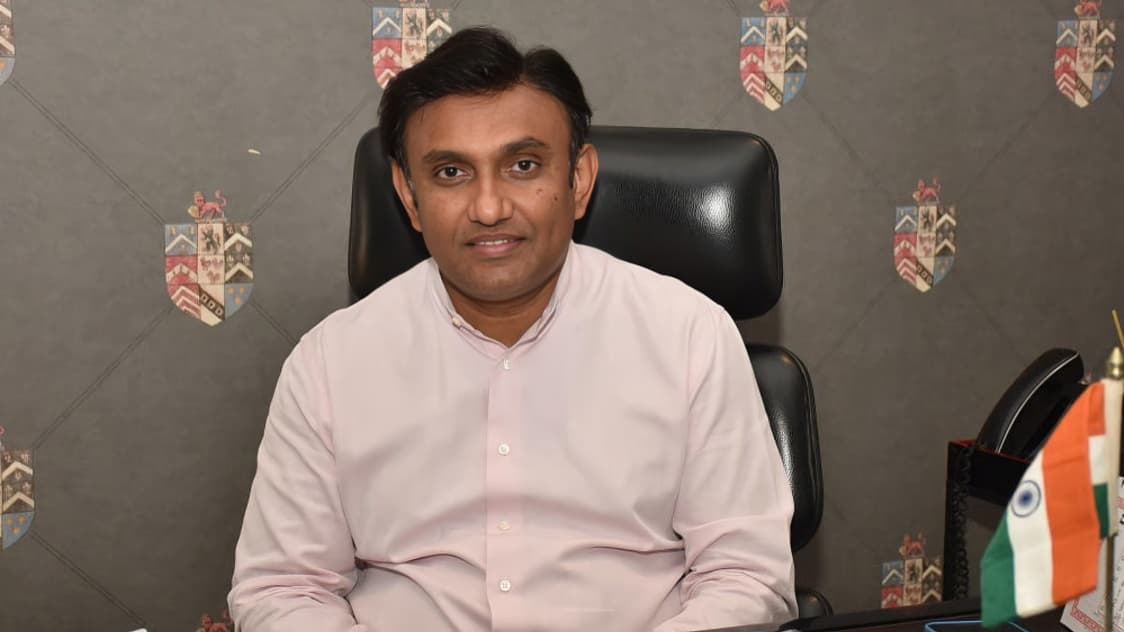
Congress MP Imran Masood has denied that slogans calling for a “Free Kashmir” were raised by students during the ongoing protest at Jamia Millia Islamia University in New Delhi. He made the statement after visiting the campus to express solidarity with students demanding the restoration of the university’s students’ union and election process. Delhi Police detained Masood on Friday, October 23, along with several others who had gathered near the university.
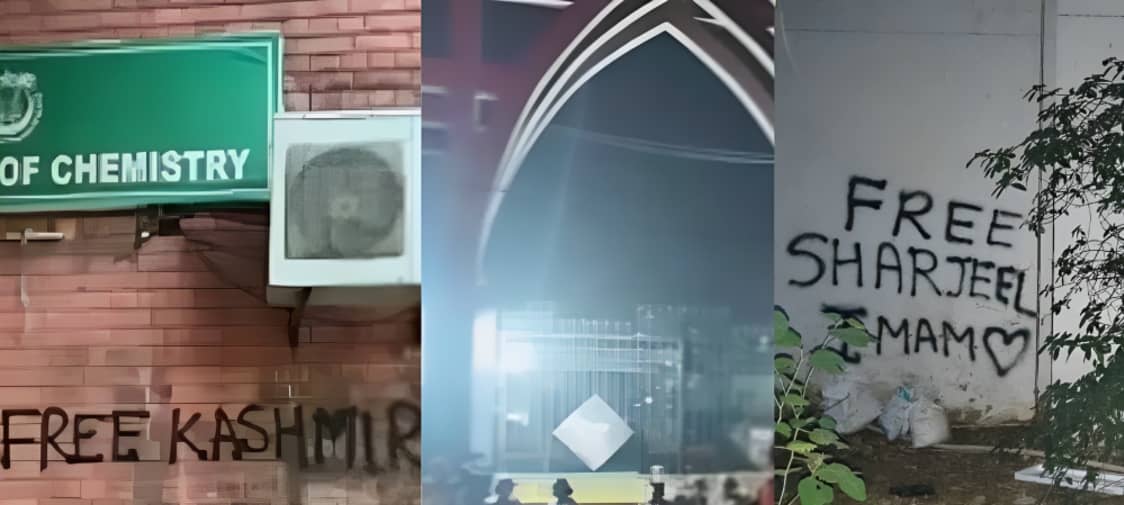
The controversy erupted after posters and slogans referring to Kashmir and jailed activist Sharjeel Imam appeared on the university campus. Masood said the posters were unrelated to the students’ primary demands and alleged that they were being used to divert attention from the protest. He also called for action against those responsible for putting them up.
Imran Masood rejects claims about Kashmir slogans
Speaking to the media, Masood stated that no slogans calling for a “Free Kashmir” were raised at the protest site. He said he had publicly condemned such slogans and reiterated that Jammu and Kashmir is an integral part of India.
The Congress MP also criticised the appearance of posters related to Kashmir on the campus. According to Masood, those responsible for displaying the posters were attempting to weaken the students’ movement rather than support its central demands.
He urged the police to identify those responsible and take appropriate action. Masood argued that the controversy over the posters should not overshadow the students’ concerns about university governance and their demand for an elected student body.
His comments were made in response to the controversy surrounding the posters. The identity of those who put them up and their connection, if any, to the protesting students should not be assumed without evidence.
Why are Jamia students protesting?
The demonstrations at Jamia Millia Islamia are primarily focused on the restoration of the students’ union and the holding of union elections. Students have been demanding an official notification announcing the election schedule and raising concerns about disciplinary action taken against some protesters.
The agitation began on October 12 and included a hunger strike. According to media reports, the students’ union elections were last held in 2005, and the union was dissolved in 2006.
Students argue that an elected union would provide them with a formal platform to raise academic, administrative and campus-related concerns. They have called on the university administration to take steps towards restoring the electoral process.
The protest intensified after university authorities attempted to remove demonstrators from the Ghalib Lawn area near Gate No. 7 on October 17. The incident contributed to tensions between the protesters and campus authorities.
Students have maintained that their central demands concern student representation and disciplinary matters. They have also objected to attempts to associate the entire movement with the controversial slogans found on campus walls.
Source:
Congress MP detained by Delhi Police
Masood visited the university to meet students participating in the protest and express his support for their demands. Delhi Police subsequently detained him near the campus.
According to a report by The Economic Times, a total of 10 people, including Masood, were detained on Friday amid the ongoing agitation. Samajwadi Party MP Mohibbullah Nadvi was also reported to have been detained while travelling to meet the protesting students.
The police action brought additional political attention to the demonstrations, with opposition representatives questioning the handling of the protest and expressing solidarity with the students.
The detention occurred amid heightened tension over the posters and slogans found on campus. University authorities had also raised concerns about graffiti and campus security, according to media reports.
The reported detention should be distinguished from an arrest or a finding of wrongdoing. The available reports describe the individuals as detained by police during the protest.
Source:
University forms a high-level committee
Amid the protests and hunger strike, Jamia Millia Islamia constituted a seven-member high-level committee on October 18 to engage with students, examine their demands and recommend steps to restore normalcy on campus.
The decision followed a meeting involving senior university officials, including Vice-Chancellor Professor Mazhar Asif, Registrar Professor Md. Mahtab Alam Rizvi, the Controller of Examinations and other senior academic and administrative representatives.
The committee is expected to interact with the protesting students, review their grievances and consider appropriate measures. The university said the panel would help address the issues raised during the agitation and work towards restoring normal campus activities.
The formation of the committee represents an administrative response to the continuing protest. However, the key question for the students remains whether their demand for the restoration of the students’ union and an election schedule will be addressed.
The committee’s formation does not, by itself, mean that the students’ demands have been accepted. Its recommendations and any subsequent decisions by the university administration will determine the next steps.
A dispute over student representation and campus politics
The events at Jamia have developed into a wider debate about student representation, campus administration and the role of political leaders in university protests.
Masood has maintained that the students’ demands deserve attention and that the controversy over the posters should not be allowed to derail their movement. He has also rejected any association between the students’ primary demands and slogans advocating the separation of Kashmir from India.
At the same time, the appearance of the posters has raised questions about who displayed them and whether they were connected to the protest. Those questions require evidence and an appropriate investigation rather than assumptions about the demonstrators as a group.
The university administration now faces the challenge of addressing student grievances while maintaining order on campus. The high-level committee may provide a channel for discussions, but the outcome will depend on the university’s decisions and the response of the protesting students.
As of October 24, 2026, the demonstrations and political reactions have kept Jamia Millia Islamia in the national spotlight. The main issues remain the restoration of the students’ union, the proposed election process, disciplinary concerns and the controversy over posters found on campus.