New Delhi, June 4
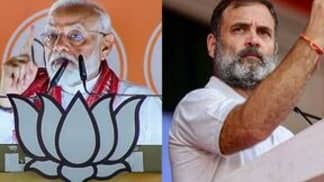
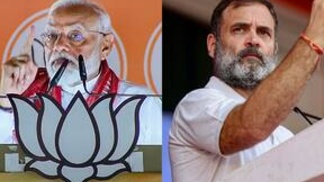
A fresh political exchange has emerged between the Bharatiya Janata Party and the Congress after Leader of Opposition Rahul Gandhi made remarks concerning Prime Minister Narendra Modi's tenure during a recent public event.
Rahul Gandhi, while addressing an Adivasi Congress programme, commented on the current political situation and the future of the central government. His remarks drew a sharp response from the BJP, which accused the Congress leader of making politically motivated statements and attempting to mislead the public.
In its response, the BJP said that the Congress party has no moral authority to speak about democratic values without addressing its own historical record. Party leaders referred to the Emergency imposed in 1975 during the tenure of former Prime Minister Indira Gandhi, describing it as one of the most significant challenges faced by Indian democracy.
The ruling party also alleged that the Congress is currently facing organisational difficulties, including internal disagreements and the departure of several leaders from the party. BJP spokespersons claimed that the real challenge for the Congress lies within its own structure rather than in criticising the government.
According to BJP leaders, the Congress leadership should focus on strengthening the party and addressing concerns raised by its members instead of targeting political opponents. They argued that repeated criticism of the Prime Minister would not address the issues facing the opposition party.
Meanwhile, Congress leaders defended Rahul Gandhi's remarks and maintained that he was expressing his political views as part of a democratic debate. Party representatives stated that questioning government policies and leadership decisions is a legitimate responsibility of the opposition in a parliamentary democracy.
The exchange highlights the continuing political rivalry between the BJP and the Congress ahead of upcoming electoral and legislative developments. Both parties have increasingly intensified their political messaging in recent months as they seek to strengthen their positions among voters.
Political observers note that disagreements between the ruling party and the opposition are a common feature of democratic politics. Statements made by senior leaders often trigger strong responses from rival parties, particularly when they concern national leadership and governance.
The latest controversy has once again brought attention to the broader political discourse between the BJP and the Congress. While the BJP has focused on defending the Prime Minister and criticising the Congress leadership, the opposition has continued to question the government's policies and performance on various national issues.
As political debates continue across the country, both parties are expected to use public meetings, organisational programmes and legislative forums to present their positions to voters. The developments also underline the significance of political communication in shaping public opinion and influencing national discussions.
The issue is likely to remain part of the ongoing political conversation in the coming days as leaders from both sides continue to respond to each other's statements and policy positions.