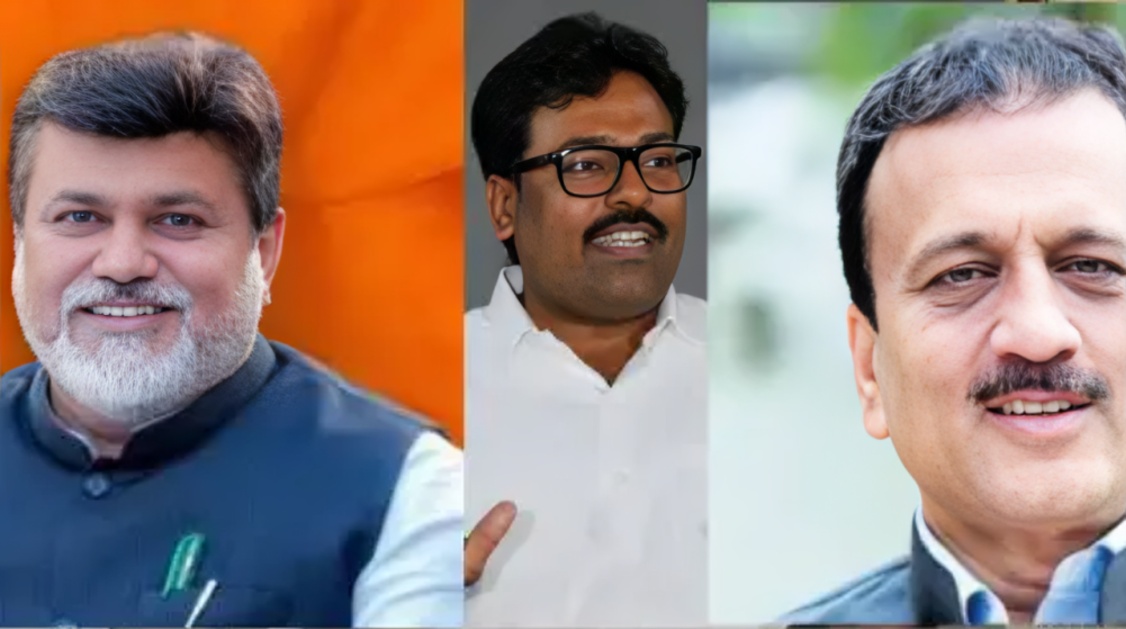
A surprising result emerged from the Maharashtra Legislative Council elections as BJP rebel candidate Gokul Gite secured victory in the Nashik Local Authorities Constituency, defeating Shiv Sena nominee Narendra Darade.
The election outcome has attracted significant political attention as the seat was widely expected to remain with the ruling alliance. However, Gite's victory demonstrated the impact of local political equations and voter preferences, resulting in an unexpected setback for the Shiv Sena candidate.
According to the election results, Gokul Gite won the contest by a margin of 109 votes. The decisive victory came despite the support extended to Narendra Darade by the ruling political establishment. Political observers believe the result reflects dissatisfaction among certain sections of local representatives and highlights the importance of grassroots support in Legislative Council elections.
The Nashik Local Authorities Constituency is considered politically significant because elected members of local governing bodies participate in the voting process. As a result, the election often serves as an indicator of political influence and organizational strength at the district level.
Gite's success is being viewed as a notable achievement for an independent-minded candidate contesting against a nominee backed by a major political party. His campaign reportedly focused on local development issues and direct engagement with elected representatives across the district.
The defeat of the Shiv Sena candidate has prompted discussions about internal political challenges within alliance partners and the effectiveness of electoral coordination at the local level. Analysts suggest that the result may encourage political parties to reassess their candidate selection strategies and strengthen communication with grassroots representatives.
The outcome also underlines the growing role of rebel and independent candidates in Maharashtra politics. In recent years, several elections across the state have witnessed candidates outside official party structures making significant electoral gains, often influencing the final results.
Political leaders from various parties have reacted to the result, with supporters of Gokul Gite describing the victory as a reflection of local representatives exercising independent judgment. Meanwhile, leaders from the ruling alliance are expected to review the factors that contributed to the defeat in a constituency considered strategically important.
The Nashik MLC election result is likely to remain a topic of political discussion in the coming weeks as parties analyze voting patterns and assess the broader implications for future elections in Maharashtra.