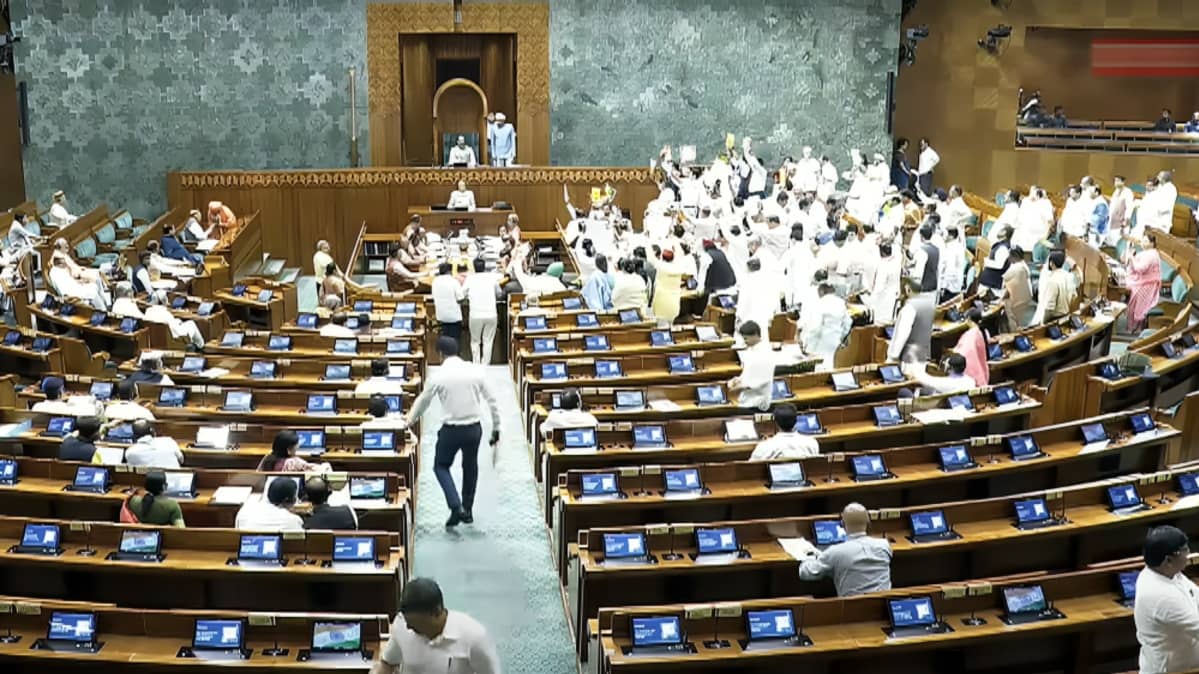

The upcoming Monsoon Session of Parliament is set to begin against the backdrop of evolving political developments that could significantly impact the balance of power in both Houses. Changes within opposition parties, shifting alliances, and internal organizational challenges are expected to influence the parliamentary landscape during the session.
Political analysts have noted that recent developments involving several opposition parties may affect their collective strength and coordination inside Parliament. Reports of internal divisions within regional parties, along with uncertainty surrounding leadership and organizational matters, have raised questions about the opposition's ability to present a united front on major legislative issues.
Among the developments attracting attention are reports of changes within the Trinamool Congress and ongoing discussions involving Shiv Sena UBT. These developments have contributed to speculation about how opposition parties will coordinate their strategies during debates on key national issues. While party leaders continue to emphasize unity and cooperation, the evolving political situation has become a major topic of discussion ahead of the session.
Another factor being closely watched is the changing nature of political alliances in different states. Political observers believe that shifts in regional partnerships could influence parliamentary voting patterns and alter the dynamics of floor management during crucial debates and legislative proceedings.
The National Democratic Alliance, led by the Bharatiya Janata Party, is expected to enter the session with confidence as it seeks to advance its legislative priorities. If the ruling alliance gains additional support from allies or independent members, it may find it easier to secure approval for important bills and policy proposals that previously faced stronger resistance.
Government representatives have indicated that several key legislative measures are expected to be discussed during the session. While the exact agenda may be finalized closer to the commencement of proceedings, economic reforms, governance-related measures, and policy initiatives are likely to feature prominently.
At the same time, opposition parties are expected to raise a range of issues concerning governance, economic conditions, public welfare, and national policy matters. Parliamentary debates are likely to reflect the differing viewpoints of the ruling alliance and opposition groups on these subjects.
The effectiveness of the opposition's strategy may depend largely on its ability to maintain coordination among multiple parties with diverse political interests. A unified approach could help opposition members collectively scrutinize government proposals, while divisions could reduce their influence during voting and legislative discussions.
Political experts believe that the Monsoon Session could become an important indicator of the evolving political landscape ahead of future electoral contests. The session will not only test the government's ability to push forward its legislative agenda but also demonstrate how effectively opposition parties can work together despite ongoing challenges.
As Parliament prepares to convene, attention remains focused on party positions, alliance strategies, and parliamentary numbers. The developments during the session are expected to have a lasting impact on national politics and the legislative process in the months ahead.