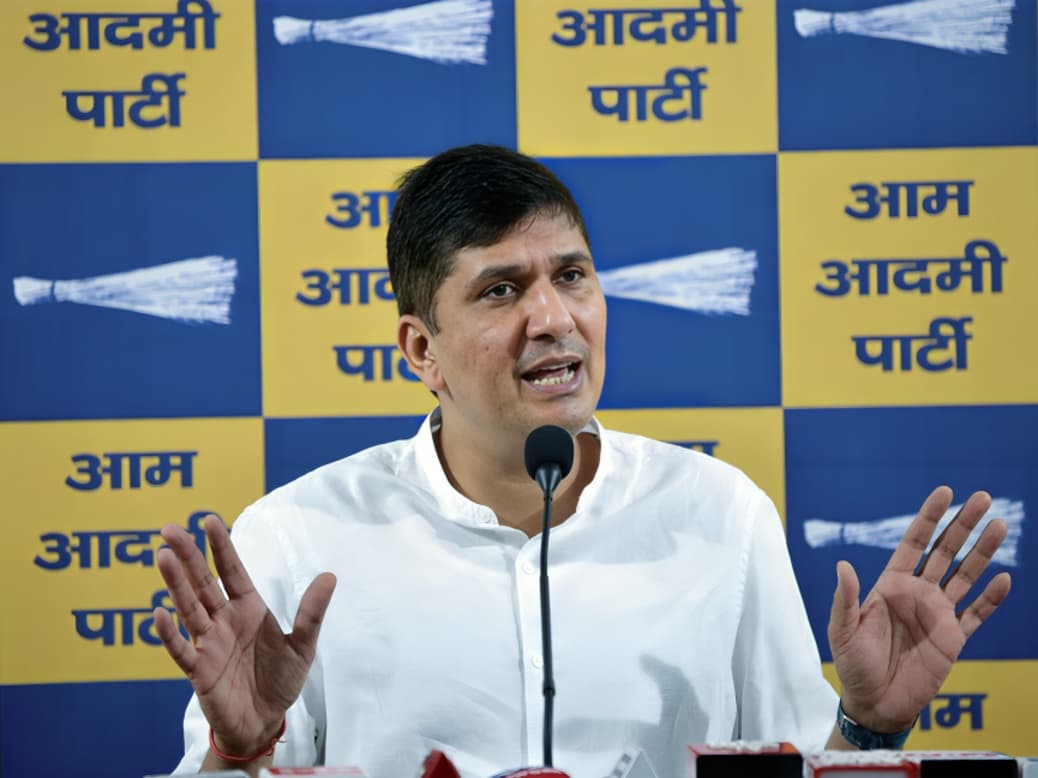
Cockroach Janta Party spokesperson Saurav Das has approached the Delhi High Court seeking legal action over the alleged publication and circulation of his residential address and other personal information in the public domain.
Das has filed a civil suit against political commentator Abhijit Iyer Mitra and several media and digital platforms. According to reports, the petition concerns the alleged disclosure of his residential details and information that he considers private. The case has brought issues relating to privacy, personal security and the publication of private information into focus.
The defendants named in the proceedings reportedly include Abhijit Iyer Mitra, The Pamphlet, LawBeat, The Jaipur Dialogues and The Sunday Guardian, along with Google LLC and X Corp. The inclusion of social media and technology companies reflects the wider question of how personal information circulated online can be handled and removed from digital platforms.
Das has alleged that his residential address and other personal details were placed in the public domain. He has argued that such disclosure affects his privacy and could create concerns relating to his personal safety and security.
The petition seeks protection of his right to privacy, dignity and security. Reports also state that Das has sought monetary damages in connection with the alleged violation of his privacy rights.
The legal dispute comes amid increased public attention surrounding the activities of the Cockroach Janta Party and its representatives. CJP has been involved in several public campaigns and political issues in recent months, with Saurav Das serving as one of the organisation's prominent spokespersons.
The latest case, however, is focused specifically on the alleged disclosure of personal information. The court will have to consider the claims made by Das and the responses of the defendants before determining what further action, if any, is appropriate.
The publication of residential addresses and other personal details can raise significant privacy concerns, particularly when information is distributed widely through social media and online platforms. Once such information is circulated, removing it completely from the internet can be difficult because users may reproduce or share the material across multiple platforms.
The case therefore also highlights the legal challenges created by the rapid circulation of information through digital media. A single post containing personal information can potentially reach a large audience within a short period, making questions of responsibility and accountability increasingly important.
According to reports, Das has sought mandatory and permanent injunctions against the defendants. Such relief would seek to restrict further publication or circulation of the disputed information. The court will consider the claims and available legal grounds before deciding whether any interim or permanent relief should be granted.
The petition also reportedly seeks damages for the alleged violation of privacy. One report stated that the suit sought damages of Rs 2.01 lakh, while another recent report described the claim as a Rs 2 crore suit. Because the reported figures differ, the precise amount should be treated cautiously until the court record is examined.
The case does not establish that the defendants have committed a legal violation. The allegations made by Das will have to be considered through the judicial process, and the defendants will have an opportunity to respond to the claims.
Abhijit Iyer Mitra is a political commentator who has been named as one of the defendants. The petition reportedly alleges that information concerning Das was made available publicly through online channels associated with the defendants. The exact responsibility of each defendant will be a matter for the court to consider.
The case also involves online intermediaries, which brings additional questions concerning the responsibilities of platforms that host or distribute user-generated content. The legal issues could involve the balance between privacy rights, freedom of expression and the responsibilities of intermediaries operating digital services.
Privacy has become an increasingly important issue in India's digital environment. Personal information can include residential details, contact information, photographs and other data that individuals may not want publicly circulated. Courts have previously considered privacy as an important constitutional right, while also balancing it against other competing rights and interests.
For Das, the immediate objective of the proceedings is to seek protection from what he describes as an invasion of his privacy and a potential threat to his security. He has approached the Delhi High Court rather than relying only on requests to individual platforms to remove the disputed material.
The court proceedings may provide further clarity on the claims made by Das and the responses of the defendants. Any directions issued by the court could also have implications for how similar disputes involving the publication of residential information are handled.
The case is being closely watched because it combines questions of individual privacy, political commentary, media publication and social media distribution. It also comes at a time when political figures and activists increasingly use digital platforms to communicate directly with the public.
For now, the key development is that Saurav Das has moved the Delhi High Court against Abhijit Iyer Mitra and several other defendants over the alleged public disclosure of his residential details and personal information. The court's consideration of the matter will determine the next stage of the legal dispute.