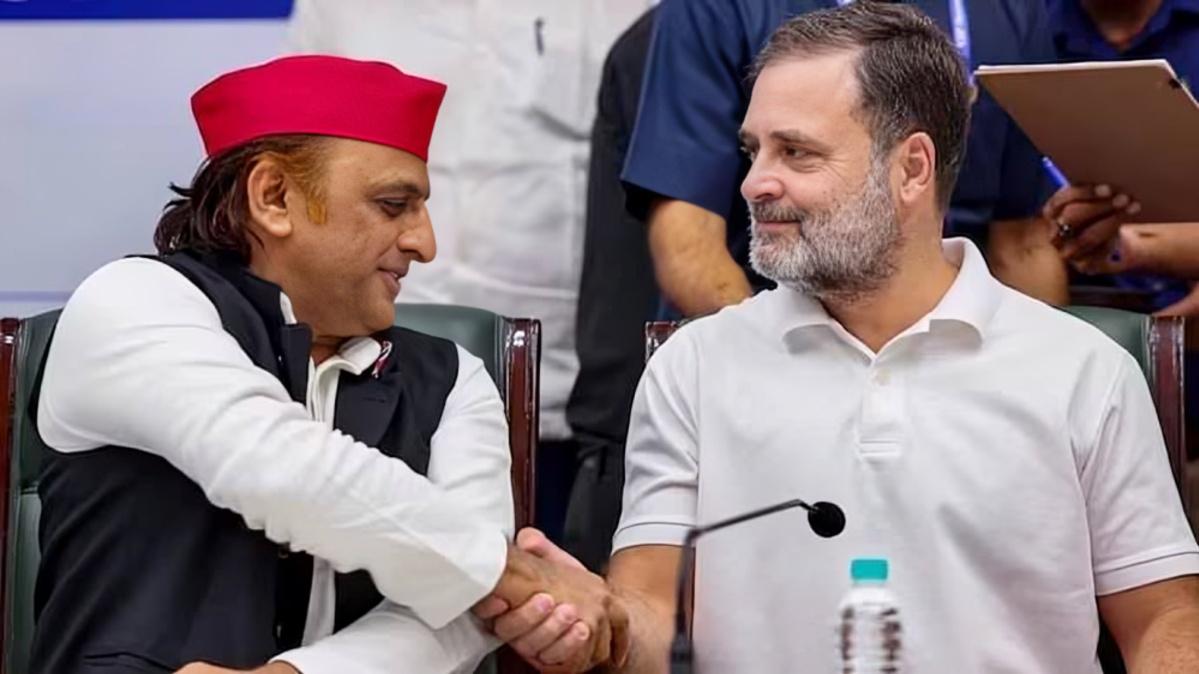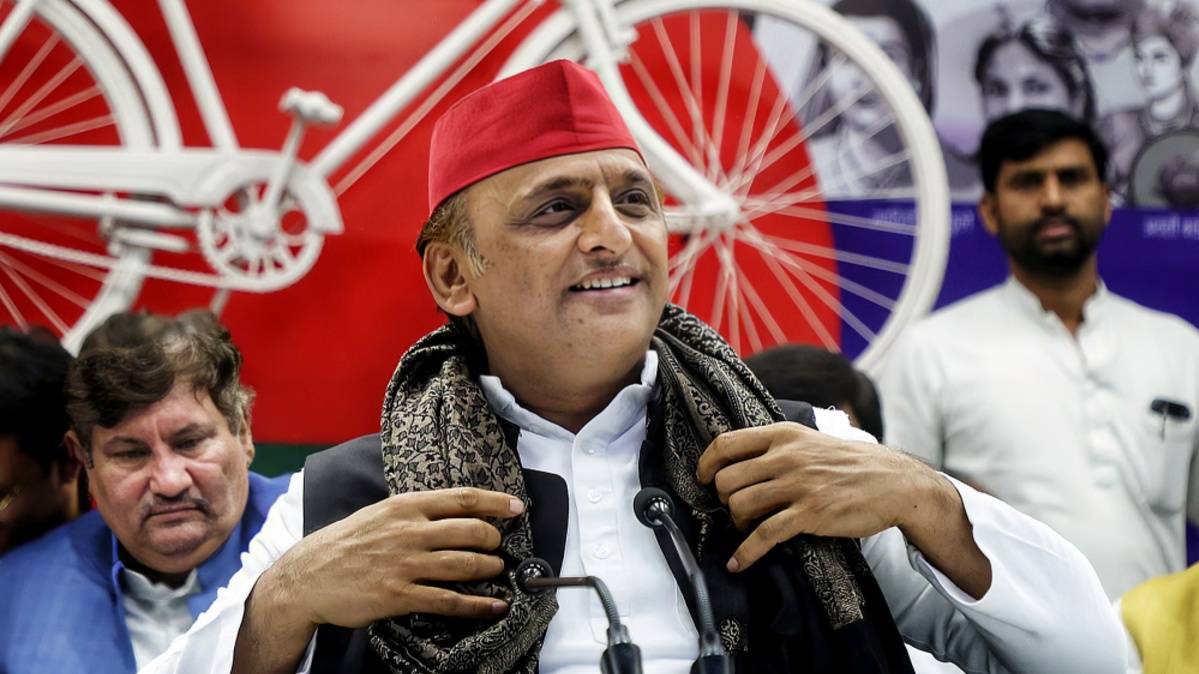
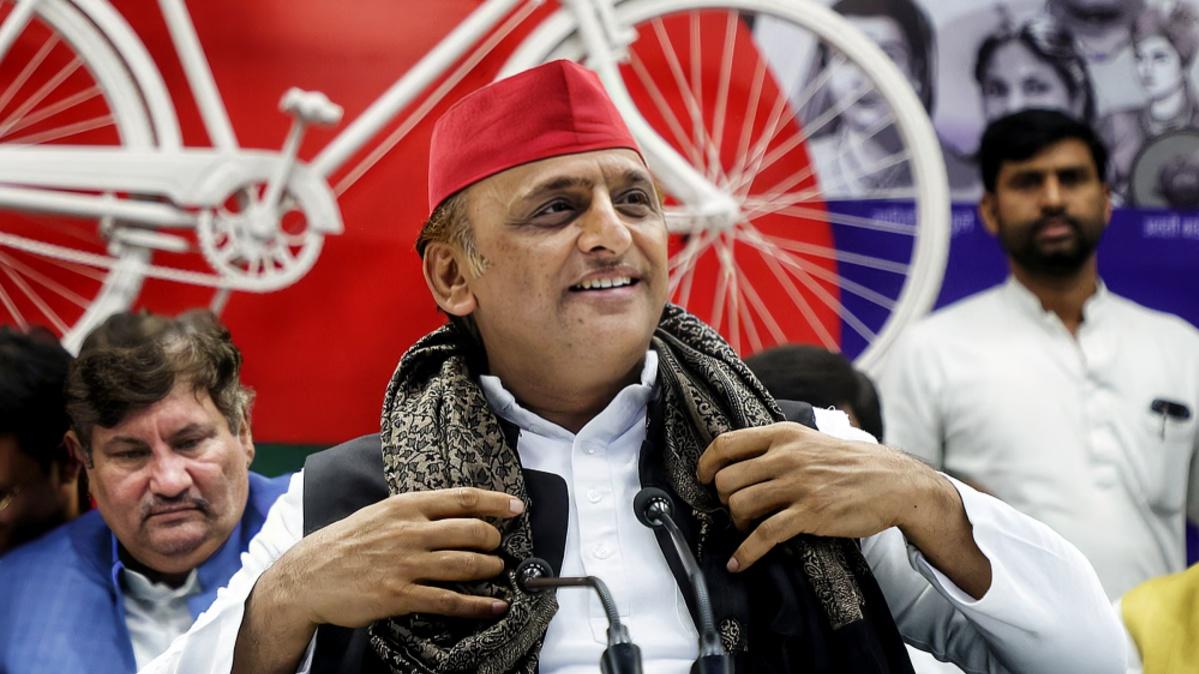
The seat sharing dispute between Congress and the Samajwadi Party has intensified following disagreements over constituency allocation and candidate selection. The Samajwadi Party, led by Akhilesh Yadav, has reportedly offered 26 seats to Congress, prompting objections from several Congress leaders, including Imran Masood.
The disagreement has become more pronounced after the Samajwadi Party announced candidates in constituencies traditionally considered Congress strongholds. While Congress has emphasised the importance of mutual cooperation, Samajwadi Party leaders have called for a practical approach to negotiations based on existing political conditions.
Congress Rejects Seat Sharing Proposal
Congress leader Imran Masood has expressed dissatisfaction with the reported offer of 26 seats by the Samajwadi Party. He rejected the proposal and emphasised that cooperation between alliance partners was essential for achieving electoral success.
The disagreement reflects differing expectations between the two parties regarding constituency allocation. Congress appears concerned about securing adequate representation in areas where it considers itself politically influential.
Seat sharing negotiations generally involve discussions about previous electoral performances, organisational strength, local support and the ability of candidates to attract voters. Differences over these factors can complicate negotiations between alliance partners.
Masood’s rejection of the proposal indicates that the reported arrangement has not secured consensus between the two parties.
Samajwadi Party Calls for Practical Negotiations
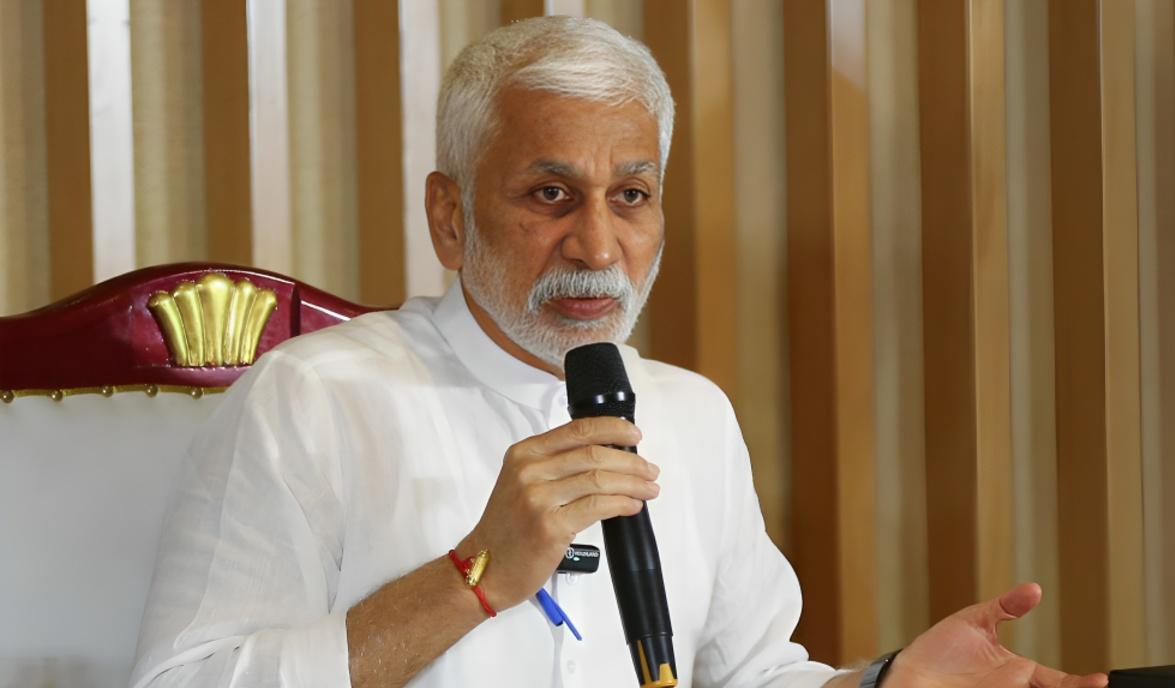
Samajwadi Party leader Ramji Lal Suman has advocated a realistic approach to resolving the seat sharing disagreement. He stressed that discussions should reflect actual political conditions and the electoral strength of the respective parties.
The Samajwadi Party’s position highlights the importance it places on ground realities when determining constituency allocation.
Political parties frequently consider previous election results, local organisational networks, voter preferences and candidate popularity when negotiating seat sharing arrangements.
However, alliance partners may interpret these factors differently, particularly in constituencies where both parties believe they have significant political support.
Further discussions between Congress and the Samajwadi Party could help clarify their respective expectations and identify possible areas of compromise.
Candidate Announcements Increase Tensions
The dispute intensified after the Samajwadi Party announced candidates in constituencies where Congress traditionally considers itself influential.
Such announcements can create difficulties during ongoing alliance negotiations, particularly when both parties are interested in contesting the same constituencies.
Congress leaders have expressed concerns about the reported seat allocation and candidate selection process. The disagreement highlights the challenges associated with balancing the electoral ambitions of individual parties with the broader objectives of a political alliance.
The complete list of disputed constituencies and the details of the proposed seat sharing arrangement were not included in the available information.
Greater clarity regarding these constituencies would help establish the extent of the disagreement between the two parties.
Importance of Cooperation Between Alliance Partners
Political alliances are generally formed to improve electoral prospects by coordinating campaigns, allocating constituencies and consolidating voter support.
Effective cooperation requires participating parties to reach agreements on candidate selection, campaign strategies and constituency allocation. Differences over these issues can affect coordination between party workers and local leadership.
Congress leader Imran Masood has highlighted the importance of collaboration in maintaining a successful alliance. His remarks suggest that Congress expects its political interests and organisational presence to be considered during negotiations.
Meanwhile, the Samajwadi Party has emphasised that seat allocation should reflect existing electoral conditions.
Both approaches highlight different considerations involved in alliance negotiations. Reaching a mutually acceptable arrangement would require discussions that address the concerns of both parties.
Challenges in Finalising Seat Sharing Arrangements
Seat sharing negotiations are often among the most complex aspects of electoral alliances. Political parties must balance their ambitions with the practical requirements of contesting elections together.
A party may seek additional constituencies based on its historical presence, while another may prioritise recent electoral performances and current organisational strength.
Local political conditions can also influence negotiations. Constituencies with established party networks, influential candidates or significant voter support may become particularly important during discussions.
The reported disagreement between Congress and the Samajwadi Party reflects these broader challenges.
A mutually acceptable agreement could help prevent competing candidacies and improve coordination during election campaigns. However, the outcome would depend on the willingness of both parties to address their differences.
Potential Impact on Electoral Coordination
An unresolved seat sharing dispute could affect electoral coordination between Congress and the Samajwadi Party. Political alliances generally seek to avoid competition between their own candidates in order to consolidate support.
If disagreements continue, local party workers may face uncertainty regarding campaign responsibilities and candidate support.
However, the current dispute does not independently establish that the alliance will collapse or that the parties will contest elections separately.
Political negotiations can continue even after public disagreements, and parties may revise their proposals before reaching a final arrangement.
The eventual impact of the dispute will depend on the decisions taken by the leadership of both parties.
Further Discussions Remain Important
The reported offer of 26 seats remains a central point of disagreement between Congress and the Samajwadi Party. While Imran Masood has rejected the proposal, Ramji Lal Suman has called for practical discussions based on political realities.
The available information does not indicate that a final seat sharing agreement has been reached. It also does not establish whether Akhilesh Yadav or the senior Congress leadership has approved any revised proposal.
Further negotiations could provide greater clarity regarding constituency allocation, candidate selection and the future direction of the alliance.
The dispute highlights the importance of communication, mutual understanding and realistic electoral assessments in maintaining political partnerships. The final outcome of the discussions will determine how Congress and the Samajwadi Party coordinate their electoral strategies.