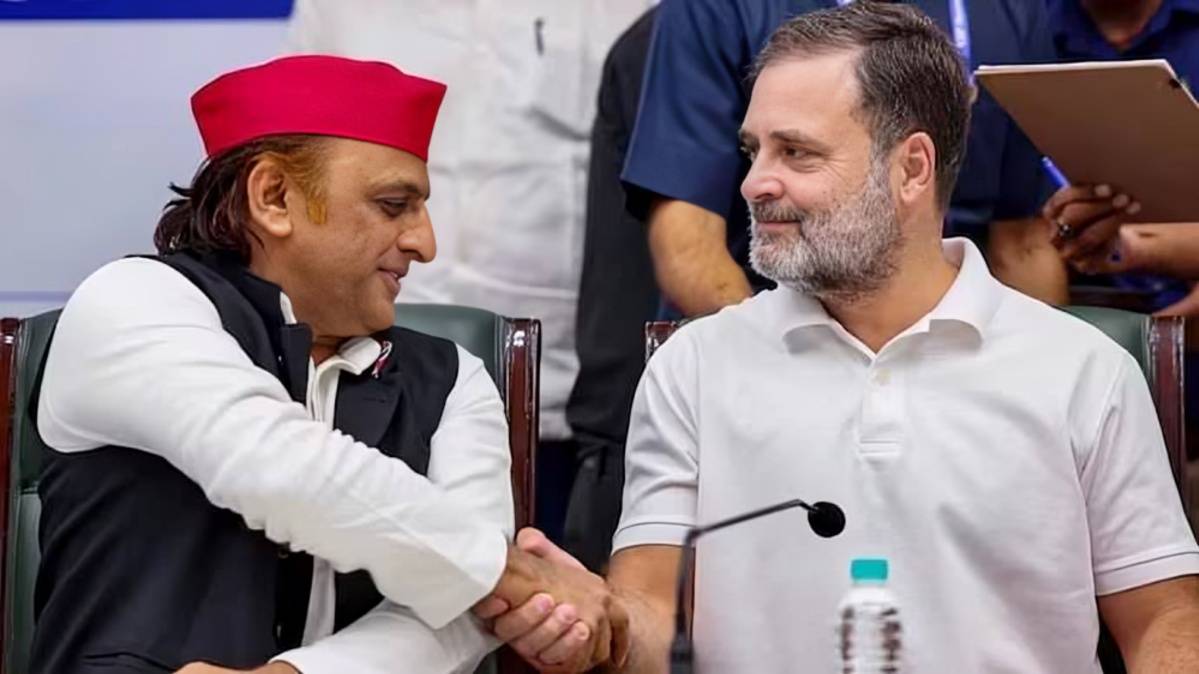
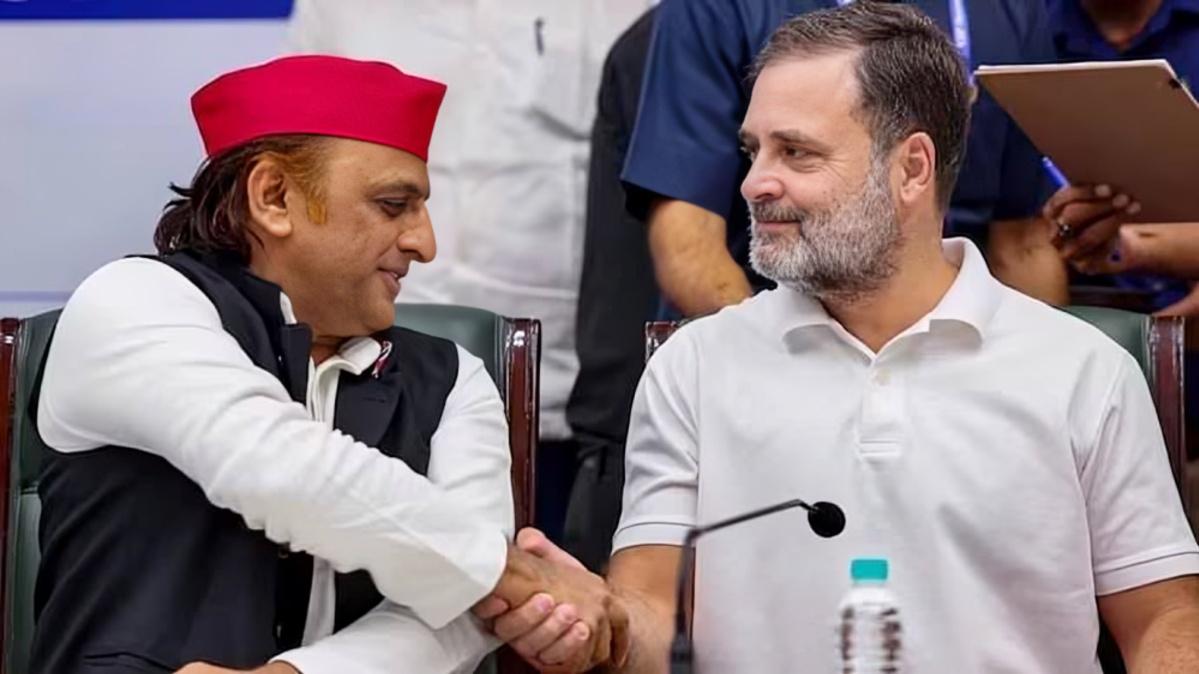
Political differences between Congress and the Samajwadi Party have surfaced ahead of the 2027 Uttar Pradesh Assembly elections following a proposal concerning the distribution of constituencies between the alliance partners.
Congress MP Imran Masood criticised the Samajwadi Party for offering Congress 26 seats as the starting point for seat sharing negotiations. He expressed dissatisfaction with the unilateral announcement and questioned the approach adopted by the regional party.
Masood said Congress was not seeking seats as a favour and stressed that electoral arrangements should be determined through discussions between alliance partners.
His remarks have brought renewed attention to the relationship between Congress and the Samajwadi Party as preparations for the upcoming Assembly elections gather political significance.
Imran Masood Calls for Mutual Respect
Imran Masood objected to the manner in which the proposed seat allocation was announced. The Congress leader said his party was not made up of beggars, expressing opposition to what he considered an inappropriate approach to alliance negotiations.
His criticism focused on the importance of treating political partners with respect and ensuring that decisions concerning electoral cooperation are made through mutual consultation.
Seat sharing negotiations generally involve discussions about organisational strength, previous electoral performance, constituency preferences and the ability of individual parties to secure voter support.
The proposed allocation of 26 seats has become a point of disagreement between the two parties. However, the figure represents a starting point for negotiations rather than a confirmed electoral arrangement.
Importance of the 2027 Uttar Pradesh Assembly Elections
Uttar Pradesh is one of the most politically significant states in India. The state has 403 Assembly constituencies and plays an important role in shaping national political developments.
The 2027 Assembly elections are expected to attract considerable attention from national and regional political parties. Electoral strategies, candidate selection, constituency distribution and political alliances are likely to influence the contest.
For Congress and the Samajwadi Party, reaching an agreement on seat sharing could be important in developing a coordinated electoral strategy.
Differences over constituency allocation may complicate preparations if they remain unresolved. At the same time, negotiations provide both parties with an opportunity to address their respective political priorities.
Congress and Samajwadi Party Electoral Partnership
Congress and the Samajwadi Party have previously worked together in Uttar Pradesh as part of broader opposition alliances.
During the 2024 Lok Sabha elections, the two parties contested as alliance partners in the state. The Samajwadi Party won 37 parliamentary constituencies, while Congress secured six seats.
Their combined performance demonstrated the electoral significance of cooperation between the two parties in Uttar Pradesh during that election.
However, Assembly elections involve different political considerations. Local leadership, constituency demographics, organisational networks and regional issues can influence voting patterns differently from parliamentary elections.
Consequently, the seat sharing arrangement adopted during the Lok Sabha elections may not necessarily determine the distribution of constituencies for the upcoming Assembly elections.
Congress Seeks a Meaningful Role in the Alliance
Masood's remarks reflect concerns about the role of Congress within the proposed electoral partnership.
Congress has historically maintained a presence in Uttar Pradesh, although its electoral strength in the state has declined over several decades. The party continues to face the challenge of rebuilding its organisational network and expanding its political influence.
A seat sharing agreement could affect the ability of Congress to strengthen its presence across different regions of the state.
The Samajwadi Party, meanwhile, remains a major regional political force with an established organisational network and substantial electoral representation.
Both parties have their own political priorities, making negotiations over constituency allocation an important aspect of their electoral preparations.
Seat Sharing Remains a Key Political Challenge
Seat sharing is often one of the most challenging aspects of electoral alliances in India. Political parties must balance their individual ambitions with the broader objectives of collective electoral cooperation.
Disagreements can emerge when multiple alliance partners seek to contest the same constituencies or have different assessments of their electoral strength.
Successful negotiations generally require flexibility, communication and a willingness to consider the interests of all participating parties.
In Uttar Pradesh, the distribution of Assembly constituencies between Congress and the Samajwadi Party could influence their campaign strategies, candidate selection and mobilisation of party workers.
A mutually acceptable arrangement could help reduce internal disagreements and support coordinated campaigning.
Political Implications of the Disagreement
The public criticism from Imran Masood has highlighted differences within the opposition alliance ahead of the Assembly elections.
However, disagreements during preliminary seat sharing discussions do not necessarily indicate that an electoral alliance will collapse.
Political parties frequently express their respective positions before formal negotiations are completed. Public statements may also reflect attempts to strengthen their bargaining positions.
The eventual outcome will depend on discussions between party leaders and their willingness to reach a mutually acceptable agreement.
Any conclusions about the future of the alliance would be premature without an official decision from both parties.
Focus on Future Negotiations
The proposed allocation of 26 seats remains a preliminary position rather than a final agreement. Further discussions between Congress and the Samajwadi Party will be important in determining the electoral arrangement.
The controversy has highlighted the importance of consultation, transparency and mutual respect in managing political alliances.
As the 2027 Uttar Pradesh Assembly elections approach, both parties will need to consider their organisational strengths, electoral objectives and constituency preferences.
The final seat sharing arrangement will provide greater clarity on the future of their political cooperation and their respective roles in the upcoming electoral contest.
Until an official agreement is announced, the number of constituencies that Congress and the Samajwadi Party will contest remains uncertain.