Mumbai, November 24, 2026
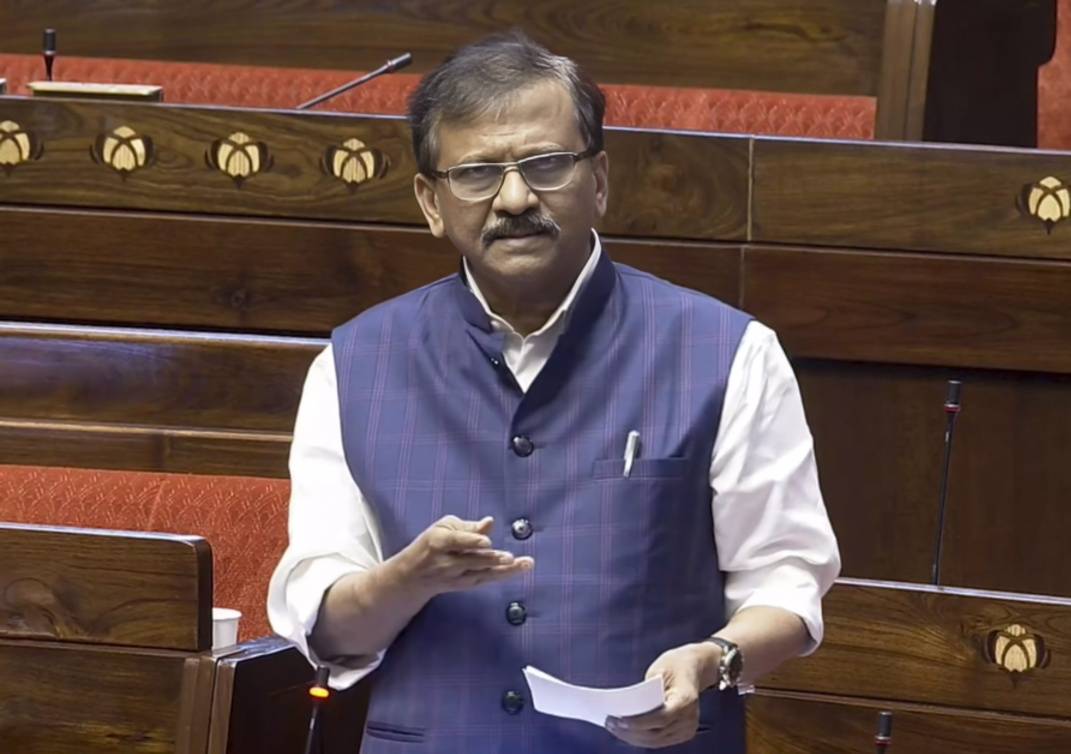
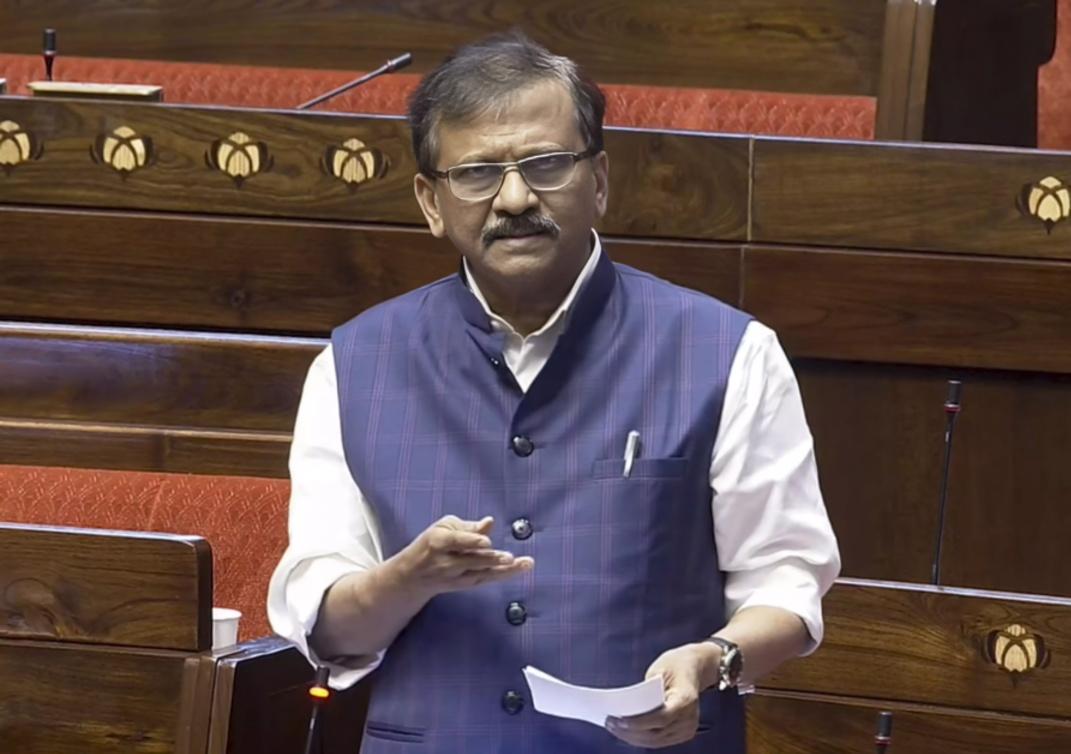
A political controversy has emerged in Maharashtra after Shiv Sena UBT Rajya Sabha MP Sanjay Raut accused Assembly Speaker Rahul Narwekar of involvement in the alleged illegal acquisition of land occupied by tribal families in Alibaug.
The allegations concern property transactions in Mhatroli village in Raigad district. Raut has approached Maharashtra Chief Minister Devendra Fadnavis, seeking an independent investigation into the matter.
Narwekar has denied the accusations and announced his intention to initiate defamation proceedings against Raut.
Sanjay Raut Alleges Displacement of Tribal Families
According to Raut, a property transaction involving approximately 15 acres took place in February 2024 in the name of Narwekar’s wife, Sarojini Narwekar.
The Shiv Sena UBT leader alleged that approximately 20 families belonging to the Katkari tribal community were subsequently displaced from their settlement.
He claimed that residential structures were demolished in March 2024 and questioned whether the affected residents had received adequate notice or compensation.
These allegations have become the central issue in the political dispute.
Opposition Leader Demands Independent Investigation
In his communication to Chief Minister Devendra Fadnavis, Raut called for an independent investigation by a Special Investigation Team.
He also sought an examination of the involvement of administrative authorities in the disputed land transactions and proposed the rehabilitation of affected residents.
Raut demanded that Narwekar be removed from his constitutional position if the allegations concerning misuse of authority were established.
An independent investigation, if initiated, could examine ownership documents, property registration records, compensation arrangements and the circumstances surrounding the relocation of the families.
Rahul Narwekar Rejects Encroachment Allegations
Maharashtra Assembly Speaker Rahul Narwekar dismissed the allegations and maintained that the property involved in the controversy was privately owned and legally transferable.
He referred to a revenue department report prepared in 2025 while defending the transaction.
Narwekar also attributed the accusations to political differences with Raut arising from earlier decisions concerning Shiv Sena legislators.
The Speaker announced his intention to pursue legal remedies against the opposition leader.
The announcement of intended legal action does not establish that a defamation case has already been filed.
Maharashtra Revenue Minister Responds
Maharashtra Revenue Minister Chandrashekhar Bawankule defended Narwekar and questioned the evidentiary basis of Raut’s accusations.
The minister asked the Shiv Sena UBT leader to provide supporting documentation to the government and indicated that an inquiry could be undertaken if relevant evidence was submitted.
His response has added another dimension to the political controversy, with opposition representatives seeking greater accountability and government representatives questioning the validity of the allegations.
Disagreement Over Rehabilitation and Compensation
The circumstances surrounding the relocation of the tribal families remain disputed.
Raut alleged that compensation was inadequate and that the alternative settlement lacked essential facilities.
Narwekar, however, maintained that rehabilitation arrangements had been made and that residents had submitted documents acknowledging the assistance provided.
Resolving these conflicting accounts would require examination of the original rehabilitation records and direct discussions with the affected residents.
The availability of drinking water, electricity, housing and transportation facilities would also be relevant when assessing the adequacy of any rehabilitation arrangements.
Tribal Land Rights and Legal Protection
Land ownership and property rights involving Scheduled Tribe communities are important legal and social issues in Maharashtra.
State laws provide safeguards against unlawful transfers of certain categories of tribal land. Depending on the legal classification of a property, ownership transfers may require approval from competent authorities.
However, the application of these protections depends on the specific circumstances of each transaction.
Determining whether the disputed property qualifies for statutory protection would require a review of official land records, ownership history and applicable government regulations.
The competing statements made by political leaders cannot independently establish the legal status of the land.
Importance of Administrative Transparency
The Alibaug controversy highlights the importance of maintaining transparency in property transactions involving economically disadvantaged communities.
Accurate land records, documented consent, fair administrative procedures and appropriate rehabilitation measures are important safeguards in resolving property disputes.
Where allegations of forced displacement arise, an impartial examination of relevant documents and testimony from affected residents can help establish the circumstances.
Such an examination could also clarify whether any administrative procedures were violated and whether additional rehabilitation measures are necessary.
Political Controversy Continues in Maharashtra
The dispute has brought renewed attention to tribal land protection, administrative accountability and the responsibilities of individuals holding constitutional positions.
Shiv Sena UBT continues to demand an investigation, while Narwekar maintains that the accusations are unfounded.
The available reports do not establish a judicial finding confirming illegal land acquisition or misuse of government authority by the Assembly Speaker.
Further developments will depend on any government investigation, supporting evidence submitted by the opposition and possible legal proceedings initiated by Narwekar.
Until additional findings become available, the allegations and the Speaker’s response should be treated as competing accounts of an unresolved land dispute.