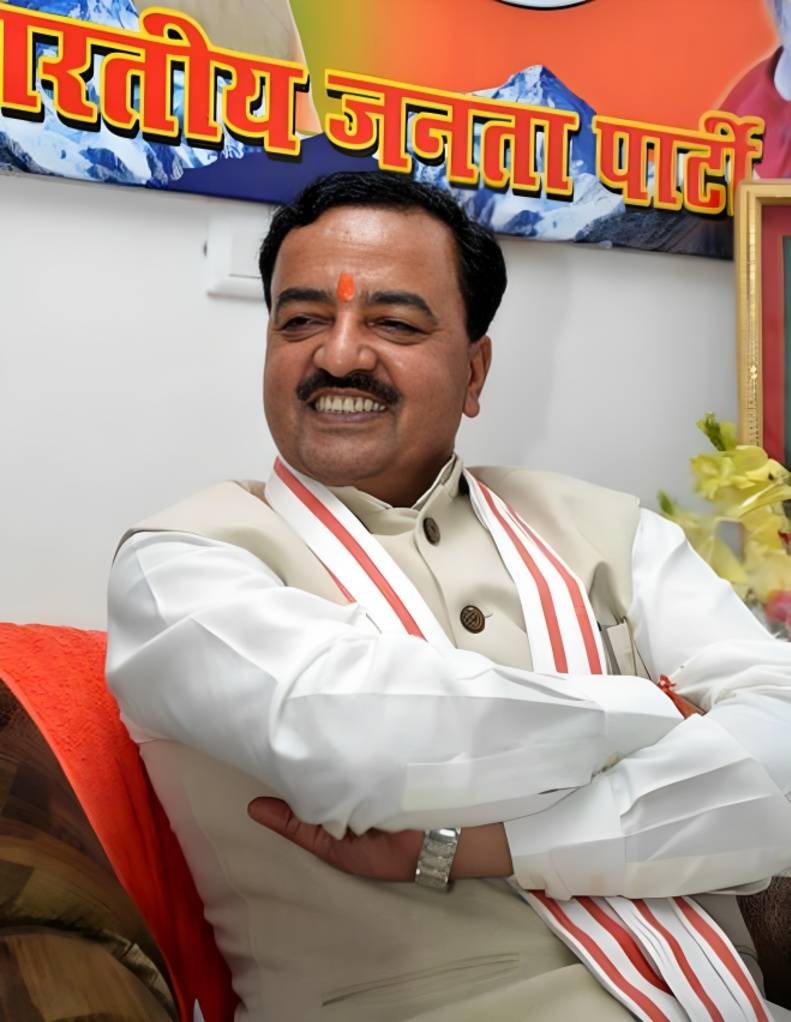
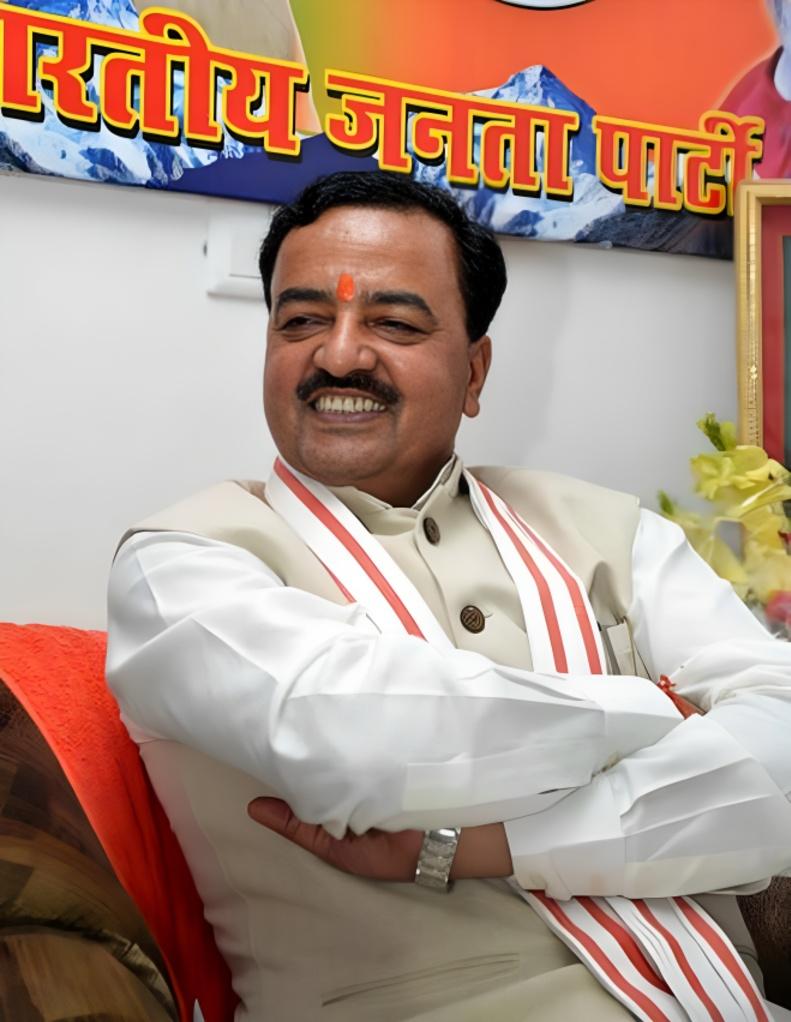
Uttar Pradesh Deputy Chief Minister Keshav Prasad Maurya has expressed confidence that the Bharatiya Janata Party will emerge victorious in the 2027 Uttar Pradesh Assembly elections, dismissing the possibility of the Samajwadi Party and Congress forming the next state government.
Maurya asserted that the BJP would defeat both opposition parties in the upcoming electoral contest. Using the party's election symbol as a reference, he said the lotus would bloom again in Uttar Pradesh in 2027.
His remarks come amid political discussions involving the Samajwadi Party and Congress over their potential electoral cooperation and seat-sharing arrangements.
The statements reflect the growing political attention surrounding the 2027 Assembly elections, with the ruling BJP and opposition parties preparing their respective strategies.
Keshav Prasad Maurya Confident of BJP Victory
Maurya maintained that the BJP would continue to receive public support in Uttar Pradesh and expressed confidence that the opposition alliance would not succeed in removing the party from power.
He claimed that neither the Samajwadi Party nor Congress would be able to form the next government in the state.
The Deputy Chief Minister's remarks were directed at the opposition parties as they explored possible arrangements for the upcoming Assembly elections.
Maurya's prediction represents the BJP leader's political assessment rather than a confirmed election outcome.
The actual result will depend on voters' decisions when the Assembly elections are conducted in 2027.
SP and Congress Discuss Seat-Sharing Arrangements
The political debate comes as the Samajwadi Party and Congress consider their electoral relationship ahead of the Assembly elections.
Discussions scheduled for November 23 and 24 have drawn attention to the possibility of seat-sharing arrangements between the two parties.
Seat sharing is an important part of electoral alliance negotiations because it determines which party will contest particular constituencies.
Such arrangements can help allied parties avoid competing against each other in the same constituencies and potentially consolidate their electoral support.
However, reaching an agreement may require both parties to consider their organisational strength, local political circumstances and the electoral prospects of potential candidates.
The supplied information does not confirm that a final seat-sharing agreement has been reached.
Rajeev Rai Highlights Candidates' Winning Prospects
Samajwadi Party leader Rajeev Rai indicated that the distribution of seats between the two opposition parties would depend on the winning potential of candidates.
His remarks suggest that electoral competitiveness could be an important consideration in determining which party contests specific constituencies.
Candidate selection is particularly significant in Assembly elections because local popularity, organisational support and constituency-level political conditions can influence results.
A candidate's ability to attract voters may therefore become an important factor in negotiations between the Samajwadi Party and Congress.
Rai's statement indicates that the opposition parties may place emphasis on selecting candidates with stronger electoral prospects rather than relying only on predetermined seat allocations.
Nevertheless, the precise formula for distributing constituencies has not been established in the information provided.
Congress Leader Rashid Alvi Supports Electoral Cooperation
Congress leader Rashid Alvi also commented on the relationship between Congress and the Samajwadi Party ahead of the elections.
Alvi emphasised that both parties would work together during the electoral contest.
His remarks indicate support for cooperation between the two opposition parties as they prepare to challenge the BJP.
Electoral cooperation between political parties can involve joint campaigning, coordinated candidate selection and agreements designed to prevent the division of votes among allies.
However, the extent of any cooperation will depend on decisions taken by the respective party leaderships.
Alvi's comments reflect Congress's stated willingness to work with the Samajwadi Party, although the final terms of an electoral arrangement remain to be clarified.
Political Importance of Uttar Pradesh
Uttar Pradesh holds significant political importance because it is India's most populous state and has 403 elected Assembly constituencies.
A party or alliance generally requires the support of at least 202 legislators to secure a majority in the Assembly.
The BJP has been in power in Uttar Pradesh since 2017, and the 2027 elections will determine whether it continues in government or an opposition party or alliance succeeds in replacing it.
The Samajwadi Party is a major opposition force in the state, while Congress is seeking to strengthen its electoral position through political organisation and cooperation.
The outcome of the elections will depend on several factors, including party campaigns, candidate selection, voter preferences and constituency-level contests.
The possibility of an alliance between the Samajwadi Party and Congress is therefore likely to remain an important subject of political discussion.
Seat Sharing Could Shape Opposition Strategy
One of the main challenges for any electoral alliance is achieving agreement on the constituencies that each partner will contest.
Political parties must balance their existing electoral support with their ambitions to expand their influence.
The Samajwadi Party and Congress may also need to assess previous election performances, local organisational networks and the popularity of prospective candidates.
Rajeev Rai's emphasis on winning prospects suggests that the parties could consider these practical factors while discussing seat distribution.
A coordinated strategy could potentially influence electoral competition in constituencies where both parties have supporters.
At the same time, disagreements over seat allocation could create difficulties if the parties are unable to reach a mutually acceptable arrangement.
For now, the information available indicates that discussions are taking place, but it does not establish a final agreement.
BJP and Opposition Present Different Political Messages
The statements from Maurya, Rai and Alvi highlight the contrasting approaches of the ruling BJP and opposition parties.
Maurya has projected confidence in another BJP victory and dismissed the chances of the Samajwadi Party and Congress forming the government.
Meanwhile, opposition leaders have focused on cooperation and the importance of selecting candidates capable of winning constituencies.
These competing positions are part of the political debate ahead of the 2027 Assembly elections.
While the BJP is presenting itself as confident of retaining power, the opposition parties are considering how electoral cooperation could strengthen their challenge.
The effectiveness of these strategies will become clearer as the election approaches and parties announce their candidates and campaign plans.
Focus Shifts to 2027 Assembly Elections
The upcoming Uttar Pradesh Assembly elections are expected to attract considerable political attention as the BJP seeks to retain control of the state government.
Maurya's assertion that the lotus will bloom again in 2027 reflects the ruling party's confidence in its electoral prospects.
At the same time, statements from Samajwadi Party and Congress leaders indicate that discussions about electoral cooperation are continuing.
The November 23 and 24 discussions may provide further clarity about the opposition parties' approach to seat sharing and candidate selection.
Until formal decisions are announced, the proposed arrangements remain subject to political negotiations.
Ultimately, voters in Uttar Pradesh will decide whether the BJP retains power or the opposition succeeds in forming the next government.