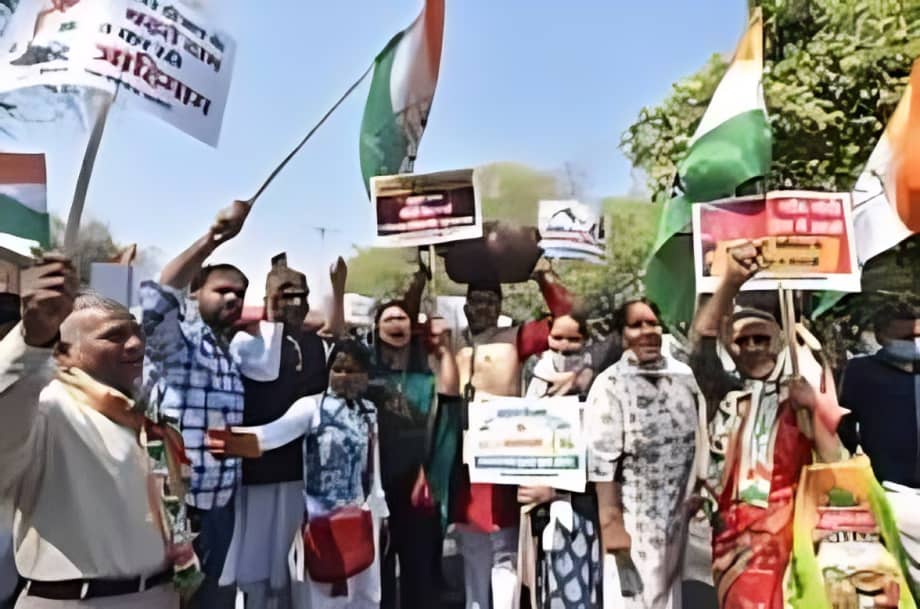
Indian National Congress has strongly criticised the Central government following the recent increase in petrol and diesel prices across the country. The opposition party accused the government of placing additional financial pressure on citizens by raising fuel prices twice within a short period after the conclusion of recent Assembly elections.
Congress leaders claimed that petrol and diesel prices had increased by around 90 paise during the latest revisions, adding to inflation concerns already affecting households and businesses. The party alleged that the timing of the hikes shortly after elections had raised questions among the public regarding fuel pricing policies.
During a media interaction, Congress leaders targeted the administration led by Narendra Modi and criticised the government over rising living costs. Party representatives argued that repeated fuel price increases would directly affect transportation expenses, food prices and essential commodities, leading to a wider economic impact on ordinary citizens.
Fuel prices play an important role in the overall economy because transportation costs influence the prices of goods and services. Experts note that increases in petrol and diesel rates often result in higher logistics costs, which can eventually affect retail markets and consumer spending.
Congress leaders also alleged that the government had previously avoided major fuel price revisions during election periods and implemented hikes after polling concluded. The party demanded greater transparency in fuel pricing mechanisms and called for measures to reduce the burden on consumers.
Meanwhile, government representatives and ruling party leaders have defended fuel pricing policies by pointing to fluctuations in global crude oil prices and international market conditions. Officials have stated in the past that domestic fuel prices are influenced by international crude rates, import costs and taxation structures.
Economic analysts say fuel pricing remains a politically sensitive issue in India because of its direct effect on inflation and daily household expenses. Rising fuel costs can particularly affect middle income families, transport operators, farmers and small businesses dependent on fuel for daily operations.
The debate over petrol and diesel prices has frequently led to political confrontations between ruling and opposition parties at both the national and state levels. Opposition parties often demand tax reductions and subsidies during periods of rising prices, while governments highlight global economic pressures and fiscal considerations.
Several economists have noted that international crude oil market fluctuations, geopolitical tensions and currency exchange rates continue to influence fuel prices in India. India imports a significant portion of its crude oil requirements, making domestic prices sensitive to global market changes.
Public reactions to the latest fuel price hikes have been mixed, with many consumers expressing concern over increasing living expenses. Transport associations and commercial vehicle operators have also raised concerns about operational costs and possible impacts on fares and service charges.
Political observers believe fuel prices are likely to remain an important issue in public discourse as political parties continue to debate inflation, taxation and economic policies ahead of future elections. Both the government and opposition are expected to continue presenting their positions on measures related to inflation and consumer relief.