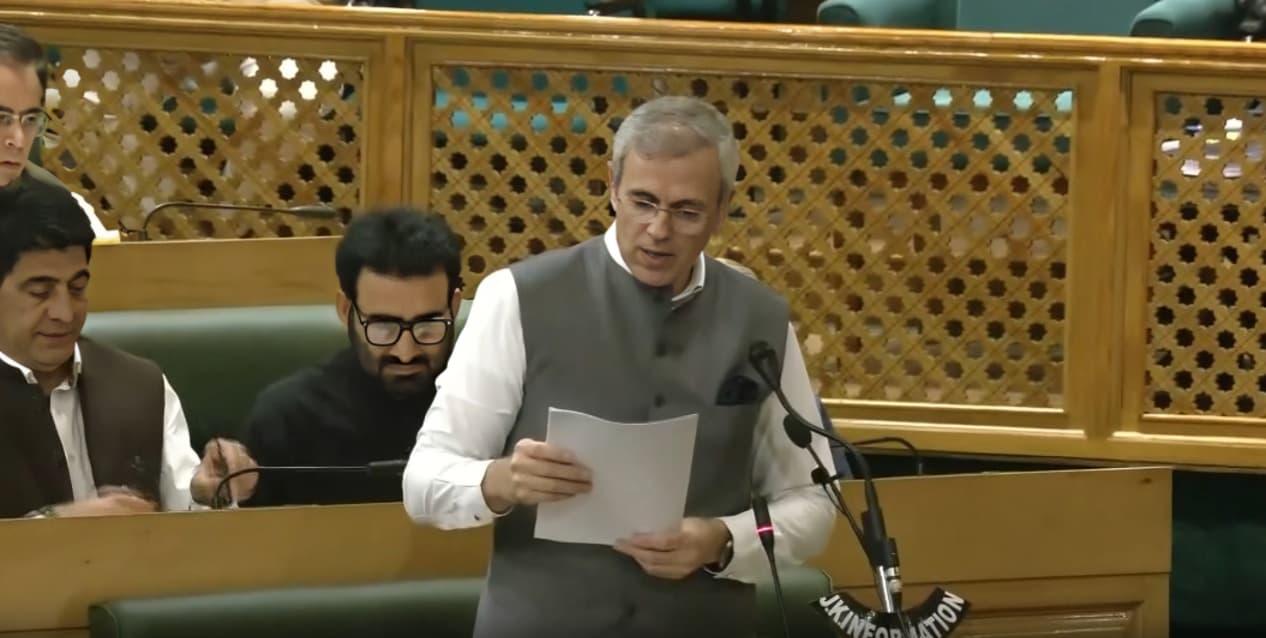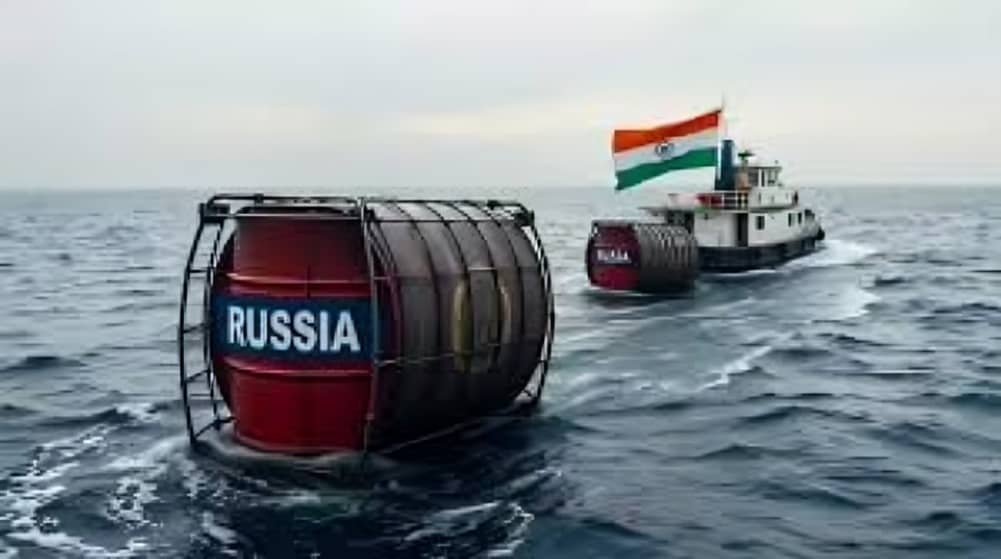
The Indian National Congress on Friday launched a strong political attack on Prime Minister Narendra Modi after reports emerged that India had approached the United States seeking an extension of the waiver allowing the import of Russian crude oil.
According to reports, the current US authorisation permitting India to continue importing Russian oil is scheduled to expire on May 16. The waiver was initially approved in March and later expanded as part of broader efforts aimed at maintaining stability in global energy markets during ongoing geopolitical tensions and supply disruptions.
Congress leaders criticised the reported move and accused the Central government of compromising India’s national dignity and foreign policy independence. The opposition party claimed that India’s energy and diplomatic decisions should be based on national interest without dependence on approvals from foreign governments.
The controversy comes at a time when global oil markets continue to face uncertainty due to geopolitical tensions and disruptions in major shipping routes, including the Strait of Hormuz. Reports indicate that Indian officials informed the United States about the importance of ensuring uninterrupted energy supplies for the country and highlighted concerns that continued instability in oil markets could negatively affect economic growth and inflation.
India is among the world’s largest importers of crude oil, and fluctuations in global energy prices have a direct impact on fuel prices, inflation, transportation costs, and overall economic stability. Over the past few years, India has increased oil imports from Russia due to competitive pricing and supply availability following changes in global energy trade patterns.
The Congress party alleged that the government’s handling of the issue reflects weakness in international negotiations. Opposition leaders argued that India should adopt a more independent position while protecting its economic interests and maintaining strategic autonomy in foreign policy matters.
The Bharatiya Janata Party and government representatives have not officially responded in detail to the latest criticism. However, the Centre has previously maintained that India’s energy policy is guided by national interest and the need to secure affordable fuel supplies for the country’s population and industries.
Energy experts note that many countries have adjusted their oil sourcing strategies due to global supply challenges and changing geopolitical conditions. They point out that stable energy imports are essential for maintaining economic growth, controlling inflation, and ensuring uninterrupted industrial activity.
Political analysts believe the issue could intensify political debates surrounding foreign policy, energy security, and economic management. Fuel prices and energy imports often become politically sensitive topics because of their impact on daily life and the national economy.
The reports have also renewed discussion about India’s balancing strategy in international relations, particularly its efforts to maintain strong ties with both Western countries and Russia while safeguarding domestic economic priorities.
As global energy markets continue to remain volatile, the issue of oil imports and international cooperation is expected to remain an important topic in both political and economic discussions in the coming weeks.