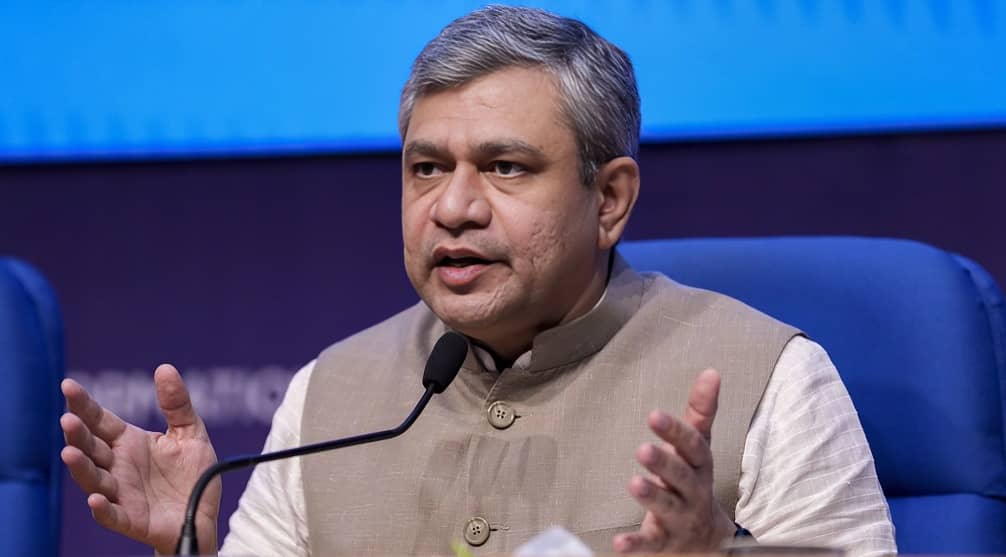
Congress leader Supriya Shrinate has raised concerns over Railway Minister Ashwini Vaishnaw’s recent visit to Washington DC, describing it as a “diplomatic failure.” Shrinate criticized the visit after reports indicated that no official from the US government formally received the minister during his trip. The visit, which involved attending the Critical Minerals Ministerial meeting, aimed at discussing issues related to supply chain resilience, manufacturing, and electronics, has come under scrutiny in political circles.
The Critical Minerals Ministerial meeting is a high-profile international forum where participating countries discuss securing critical minerals essential for electronics, renewable energy, and other manufacturing sectors. Topics covered during the meeting included technology sharing, recycling, and strategies to enhance supply chain resilience. Vaishnaw, as India’s representative, participated in discussions with other global ministers to address these pressing issues.
Despite the importance of the meeting, Shrinate argued that the absence of a formal reception from US officials highlighted a lapse in India’s foreign diplomacy. She stated that the failure to coordinate official protocol undermines India’s image on the international stage and questioned the Ministry of External Affairs’ role in ensuring proper engagement. According to her, diplomatic protocols are critical for building trust, strengthening bilateral relations, and projecting India’s interests effectively.
Shrinate’s comments have sparked debate over the effectiveness of India’s diplomatic efforts in global forums. Opposition leaders have emphasized the need for better coordination between domestic ministries and India’s diplomatic missions abroad. They argue that high-level international meetings are opportunities to showcase India’s leadership and strategic priorities, and any lapse in protocol can be interpreted as a weakness by other countries.
Supporters of Vaishnaw have countered that ministerial participation in substantive discussions on critical minerals is the core objective, rather than ceremonial receptions. They note that India’s contributions during the meeting focused on strategic priorities such as technology transfer, sustainable sourcing of critical minerals, and enhancing supply chain security for industries crucial to national development.
The debate also reflects a broader discussion on India-US relations, particularly in areas of technology, trade, and resource security. Critical minerals like lithium, cobalt, and rare earth elements are increasingly central to global manufacturing and green energy initiatives, making ministerial meetings on these topics strategically significant. Vaishnaw’s participation aimed to align India with global initiatives while addressing domestic supply chain concerns.
As discussions continue, political leaders and analysts suggest that India’s diplomatic machinery should ensure both substantive engagement and adherence to protocol. Proper coordination and official receptions can reinforce India’s global image while enabling ministers to effectively represent national interests.
The incident underscores the importance of protocol in diplomacy and the scrutiny high-level visits face from political opponents. While Vaishnaw’s visit focused on critical minerals and technological collaboration, questions raised by Shrinate highlight the ongoing balance between substantive participation and symbolic diplomacy in international relations.