
The Congress party has intensified its criticism of the Central Government over the implementation of E20 petrol across the country, claiming that the rollout has led to growing public dissatisfaction. The opposition has alleged that motorists are reporting lower fuel efficiency, reduced engine performance, and uncertainty about the long-term impact of the fuel on vehicles that were not specifically designed for E20 compatibility.
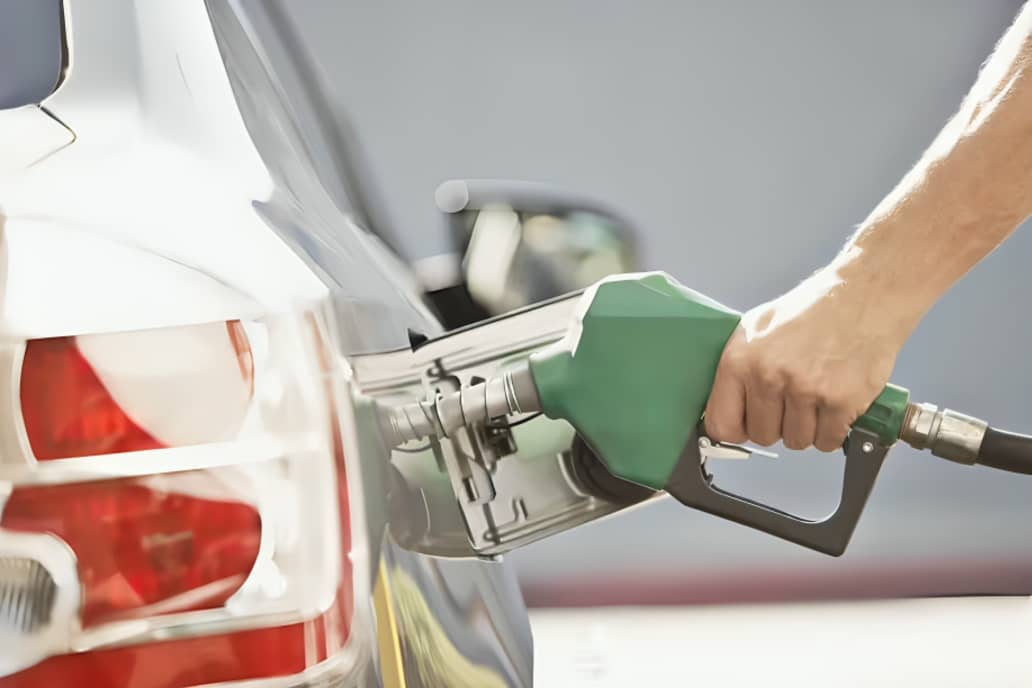
E20 petrol is a blend containing 20 percent ethanol and 80 percent petrol. The Government of India has introduced the fuel as part of its strategy to reduce dependence on imported crude oil, promote cleaner energy, and support domestic ethanol production. The initiative is also intended to reduce carbon emissions and strengthen the country's renewable energy goals.
However, the Congress has argued that the implementation process has not adequately addressed consumer concerns. According to the party, many vehicle owners have complained that after switching to E20 petrol, they experienced lower mileage and noticeable changes in engine performance. Congress leaders have questioned whether sufficient testing and public awareness campaigns were carried out before expanding the availability of the fuel across the country.
The party has also expressed concern over consumer choice, stating that in several locations E20 petrol has become the primary fuel available at retail outlets, leaving motorists with limited alternatives. Congress leaders have called on the government to clearly communicate which vehicle models are compatible with E20 fuel and whether older vehicles could face performance or maintenance issues over time.
The Central Government has maintained that E20 petrol has been introduced in accordance with scientific studies and technical evaluations. Officials have repeatedly stated that vehicles designed or certified for E20 fuel can use the blend safely and that the transition is part of India's long-term energy security and environmental policy. Authorities have also highlighted that automobile manufacturers have been preparing E20-compatible vehicles in line with the government's ethanol blending roadmap.
The debate has also drawn attention to reports and discussions regarding the possible impact of higher ethanol blends on certain vehicle components, particularly in older vehicles not originally designed for E20 fuel. Automotive experts have generally advised consumers to follow the recommendations provided by their vehicle manufacturers regarding fuel compatibility.
Congress has demanded greater transparency in the implementation process and has urged the government to release comprehensive information regarding testing, vehicle compatibility, and consumer safeguards. The party has also called for mechanisms to address complaints from motorists and ensure that consumers are fully informed before making the transition to E20 fuel.
The rollout of E20 petrol remains a significant part of India's broader clean energy strategy. As the programme expands, discussions involving policymakers, automobile manufacturers, fuel retailers, consumer groups, and environmental experts are expected to continue regarding its long-term benefits, implementation challenges, and impact on consumers.