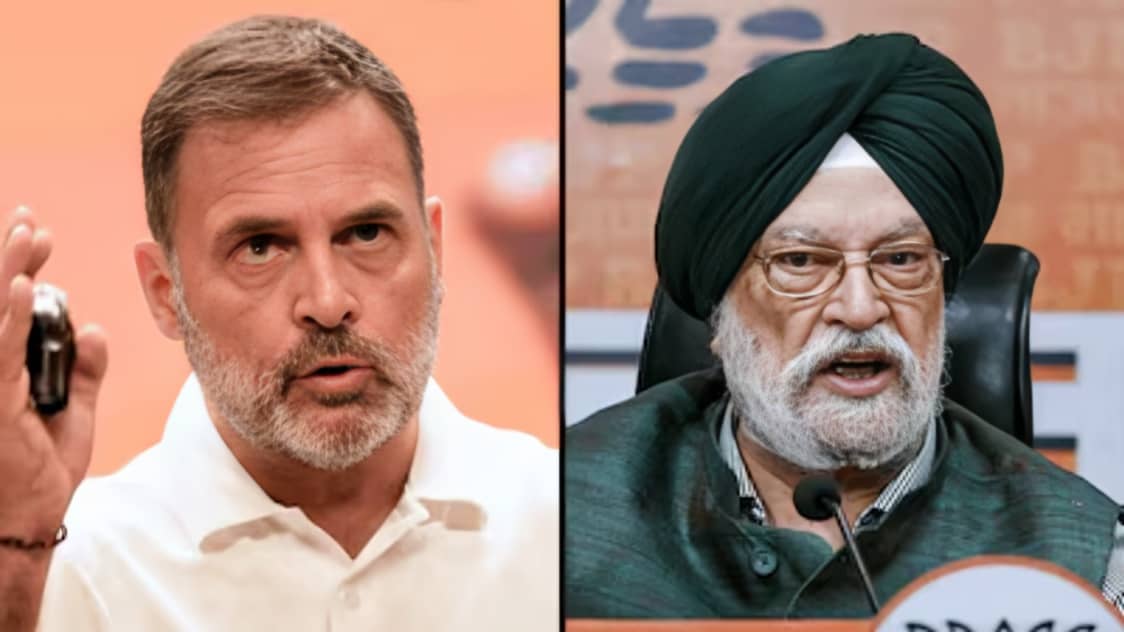

Congress leader Rahul Gandhi has said that his party will soon raise concerns over the use of E20 petrol, bringing the issue of ethanol blending and its possible impact on vehicles into the political debate. The announcement comes as opposition parties increasingly focus on questions surrounding the rollout of petrol containing a higher proportion of ethanol.
E20 petrol refers to fuel containing up to 20 percent ethanol blended with petrol. India has been expanding ethanol blending as part of its efforts to reduce dependence on imported crude oil, lower fossil fuel consumption and promote the use of domestically produced ethanol.
Rahul Gandhi has raised concerns that E20 petrol could have an adverse impact on vehicles and scooters. The Congress is expected to take up the issue and highlight what it considers potential problems for vehicle owners. The party's planned campaign is likely to focus on the experiences of consumers and the broader implications of the transition towards higher ethanol blending.
The issue has already attracted political attention from the Aam Aadmi Party. The party launched a campaign against E20 blending last week, seeking to mobilise public opinion around the subject. The Congress decision to raise the matter adds another political dimension to the ongoing discussion over ethanol blended petrol.
Ethanol blending has been a major component of India's energy policy in recent years. The government has promoted the programme with the objective of reducing the country's oil import dependence and supporting domestic agricultural and ethanol production. Ethanol is produced from feedstocks such as sugarcane and other agricultural sources.
Supporters of higher ethanol blending argue that increased use of ethanol can help reduce the amount of petrol required from fossil fuel sources. It can also create additional demand for domestic ethanol production and potentially provide new economic opportunities for farmers and related industries.
However, the transition to higher ethanol blends has also raised questions about vehicle compatibility. Different vehicles have been designed for different fuel specifications, and concerns have been expressed about the performance and long term effects of higher ethanol blends in older vehicles.
Vehicle owners have also raised questions about fuel efficiency and operating costs. The actual impact can vary depending on the vehicle's design, engine technology, manufacturing year and compatibility with the specified fuel blend. Newer vehicles designed for higher ethanol blends may have different requirements from older models.
The Congress is expected to use these concerns as part of its campaign on the issue. Rahul Gandhi's remarks indicate that the party considers E20 petrol an important matter that needs greater public discussion. The party may seek greater clarity on the impact of the fuel on consumers and vehicle owners.
The political debate also comes at a time when India is continuing its transition towards higher ethanol blending. The policy has been presented as an important step towards energy security and reducing the country's exposure to fluctuations in international crude oil prices.
The debate over E20 therefore involves several aspects, including fuel policy, environmental objectives, vehicle technology, consumer costs and agricultural economics. Any assessment of the impact of E20 needs to take into account differences between vehicle models and the fuel specifications for which they were manufactured.
For consumers, the key issue is whether their vehicles are compatible with the fuel available in their region and whether the transition could affect mileage, maintenance requirements or long term vehicle performance. Manufacturers and authorities have previously issued guidance concerning fuel compatibility, making official information important for vehicle owners.
The Congress campaign is expected to bring these concerns into wider public discussion. The Aam Aadmi Party's separate campaign has already placed E20 petrol on the political agenda, and the Congress move could intensify the debate over the country's ethanol blending policy.
At present, Rahul Gandhi's statement represents the Congress party's political position and concerns regarding E20 petrol. Claims about specific damage to vehicles should be assessed separately based on technical evidence, vehicle specifications and manufacturer guidance.
As the political debate develops, attention is likely to focus on the government's response, the automobile industry's position and evidence regarding the performance of E20 compatible and older vehicles. The discussion could also lead to greater public awareness about fuel specifications and the country's long term ethanol blending policy.