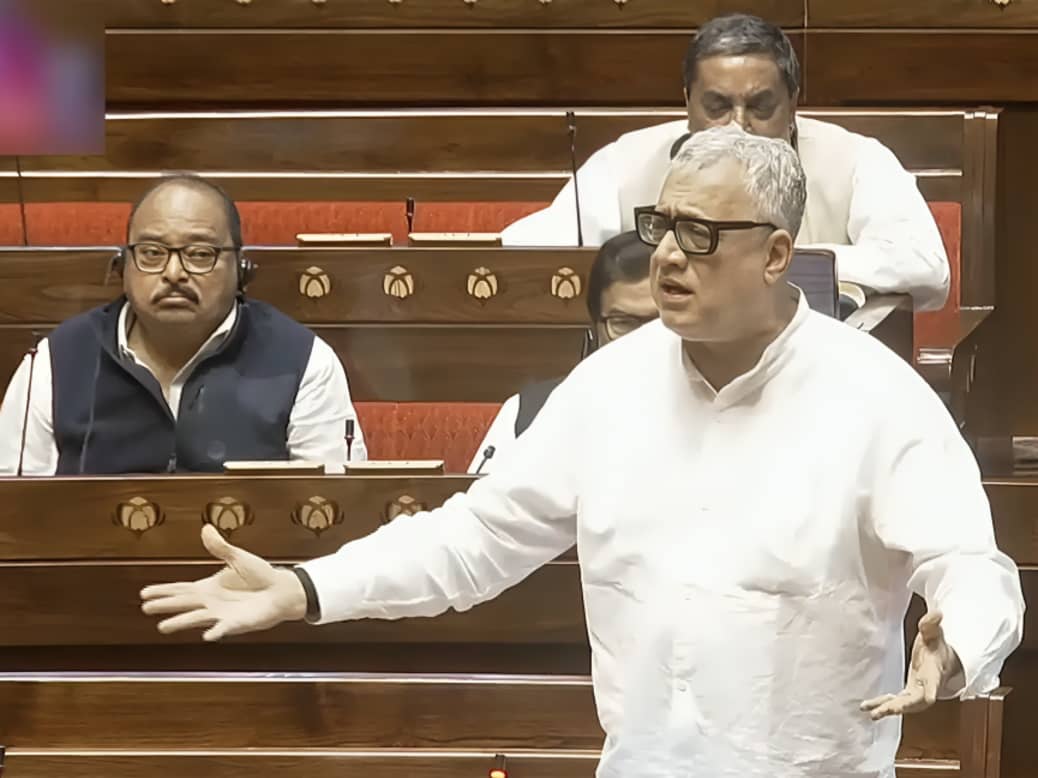

A political debate has emerged in West Bengal over the composition of meals provided under the school mid day meal programme. Trinamool Congress leader Derek O'Brien has criticized reports suggesting that eggs could be removed from meals served to students in certain schools, arguing that such a move could affect the nutritional needs of children.
The controversy gained attention after reports indicated that ISKCON had been assigned the responsibility of preparing and serving meals in selected Kolkata schools. Following these reports, speculation arose regarding potential changes to the menu, including concerns that eggs might no longer be included in the meals provided to students.
Responding to the reports, Derek O'Brien accused the Bharatiya Janata Party of attempting to promote a vegetarian dietary approach through public welfare programmes. He argued that eggs play an important role in ensuring proper nutrition for schoolchildren, particularly those from economically disadvantaged backgrounds who rely on school meals as a significant source of daily nutrition.
According to O'Brien, any reduction in nutritional components should be carefully examined by education and health experts. He emphasized that decisions concerning children's diets should be guided by nutritional requirements rather than political considerations.
The issue quickly became a topic of discussion among political leaders, educators, and parents. Supporters of maintaining eggs in school meals argue that they provide an affordable source of protein and essential nutrients that contribute to children's growth and development. Nutrition experts have often highlighted the importance of balanced meals in supporting learning outcomes and overall health.
Amid the growing controversy, ISKCON issued a clarification regarding the reports. The organization stated that no final menu for the school meal programme had been approved and that discussions regarding meal composition were still ongoing. ISKCON further noted that an official announcement would be made once all decisions are finalized and relevant authorities complete the approval process.
The clarification has helped address some of the speculation surrounding the issue. However, the political debate continues, with parties presenting differing perspectives on nutrition policy, food choices, and the administration of welfare programmes.
The mid day meal programme remains one of India's largest school nutrition initiatives. It is designed to improve student attendance, support nutritional well-being, and encourage enrollment in government and government-aided schools. State governments often determine menu variations based on local dietary preferences, nutritional guidelines, and available resources.
Political analysts note that food policies frequently become subjects of public debate because they intersect with issues of health, culture, education, and governance. As a result, discussions about school meal programmes often attract significant public attention.
At present, no official confirmation has been issued regarding the removal of eggs from the meal menu in the schools concerned. Authorities and implementing agencies are expected to provide further details once policy decisions are finalized.
The issue is likely to remain under public scrutiny as stakeholders continue to discuss the best approach to ensuring nutritious and balanced meals for students across the state.