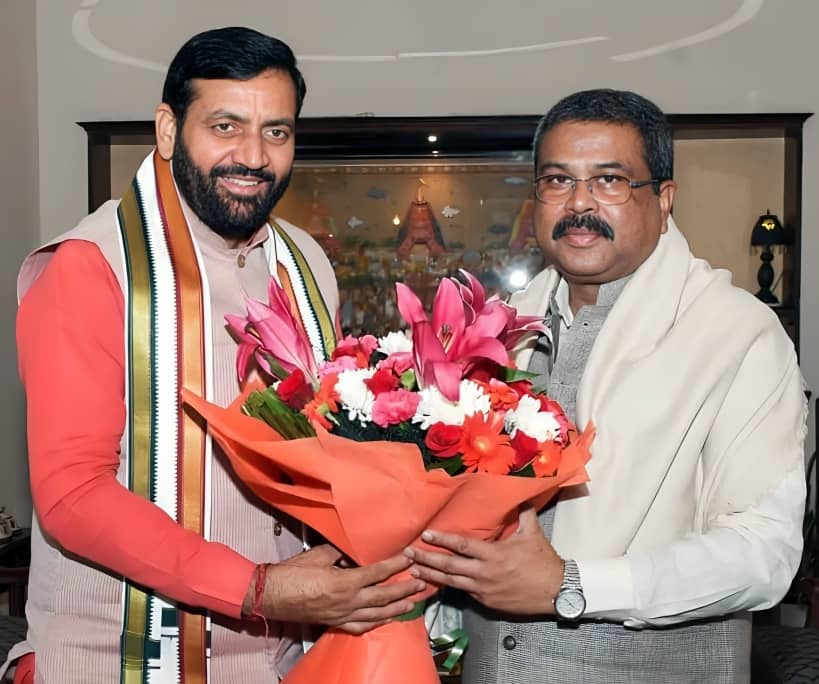

Political tensions have intensified in West Bengal following remarks by Union Minister Dharmendra Pradhan, who criticised Chief Minister Mamata Banerjee for refusing to resign after her party’s defeat in the recent elections. The comments have sparked a wider debate about democratic practices and the interpretation of electoral mandates.
Dharmendra Pradhan stated that the refusal to step down goes against the spirit of democracy, where election results are expected to reflect the will of the people. According to him, not resigning after a defeat raises questions about accountability and respect for public opinion. He further alleged that such actions could weaken democratic institutions and create a perception that political power is being treated as an entitlement rather than a responsibility.
On the other hand, supporters of Mamata Banerjee argue that the situation is more complex and depends on the nature of the election and the constitutional framework. In India, resignation norms can vary depending on whether the results pertain to assembly elections, parliamentary elections, or by polls. Political analysts note that there is no uniform rule requiring a chief minister to resign immediately after every electoral setback, particularly if the government still holds a legislative majority.
The issue has nevertheless triggered strong reactions from opposition parties, who have echoed Pradhan’s concerns and called for greater adherence to democratic conventions. They believe that leadership changes following electoral defeats are important to maintain public trust and political accountability.
The controversy also highlights the broader political rivalry between the central government and the West Bengal administration. Over the years, relations between the two have often been marked by sharp exchanges on various issues, including governance, law and order, and federal cooperation. The latest remarks add another dimension to this ongoing political contest.
Experts suggest that such debates are part of a healthy democratic process, where leaders are held accountable for their actions and decisions. At the same time, they emphasize the importance of following constitutional provisions and established procedures rather than relying solely on political expectations.
The current situation in West Bengal reflects the complexities of democratic governance in a diverse and dynamic political environment. While election outcomes are a key indicator of public sentiment, the process of government formation and continuation is guided by constitutional norms and legislative support.
As the political discourse continues, attention is likely to remain focused on how different parties interpret the election results and respond to them. The developments also underline the need for clear communication between political leaders and the public to ensure transparency and trust in the democratic system.
Overall, the remarks by Dharmendra Pradhan have brought attention to important questions about democratic accountability and political responsibility. The ongoing debate is expected to shape the political narrative in West Bengal in the coming days.